



Opening: a quick story and a pointed challenge
I once stood on a Jurong rooftop, sweating under a 5 kW PV array as the installer tightened the last clamp — that afternoon I decided the timing for upgrades matters more than most people think. I’ll be blunt: when you pick a home solar system, the wrong month or product choice can turn a smart investment into months of lost generation; home solar energy system decisions aren’t just technical, they’re financial and logistical too. After a storm cut power for 72 hours in my block (April 2020) and the neighbour with a 7 kWh battery storage stayed lit while three flats went dark — 3 households without interruption — what would you prefer: uninterrupted power or saving on that first invoice? I tell you, timing and component choice flip the outcome fast (lah).

Problem-driven diagnosis: why traditional fixes fail — technical breakdown
From my over 18 years installing systems in HDB flats and landed homes across Singapore, I’ve seen the same mistakes repeat. Installers push a standard grid-tie inverter and a basic PV array without sizing battery storage or checking roof orientation properly. The result: clipping losses, poor MPPT performance in partial shade, and a battery that never cycles efficiently — and owners wonder why bills barely move. I remember a June 2019 job where we fitted a 5 kW microinverter setup on a terraced house in Bukit Timah; because the client deferred the battery by six months, their daytime export rose but household consumption still relied on the grid at night — net savings fell by roughly 40% the first year. That’s a clear, quantifiable consequence. Hardware mismatch (inverter vs battery chemistry) and bad timing (seasonal roof cleaning, permit delays) are silent killers. Short version: the traditional “fit-and-forget” approach? Doesn’t work well here — system dynamics and daily load profile must match, otherwise you get generation without useful storage or export without benefit. — I’ve had to rewrite quotations mid-project more times than I’d like. Transition below shows what to consider next.
Forward-looking comparison: rebuild smarter, not later
What’s Next? Think modular and scheduled. I now recommend pairing a right-sized inverter with a battery storage plan from day one — even if you install the battery later, design the PV and inverter around future storage (keep MPPT headroom, plan conduit routes). Comparatively, systems planned this way outperform ad-hoc retrofits in first-year self-consumption and payback time. In one project (Tampines, Nov 2021) we planned for a 10 kW-hr battery but only installed 5 kW-hr initially; because the inverter and PV array were chosen with expansion in mind, adding the extra battery six months later took a single afternoon and the household saw an immediate 25% drop in grid draw. Honest: planning costs a little time up-front, but avoids expensive rework and permit headaches later. Wait — quick note: check export tariffs and local rules before final sizing; they change. Comparing scenarios side-by-side (immediate full install vs staged build) usually shows staged build wins if permits or cash flow are constraints, but only when the initial design accommodates growth. Consider inverter compatibility, battery chemistry (LiFePO4 vs NMC), and whether you need hybrid grid-tie capability. I prefer hybrid inverters for most Singapore homes — they give flexibility and smoother transition to battery storage. (Short pauses matter — do your checks.)
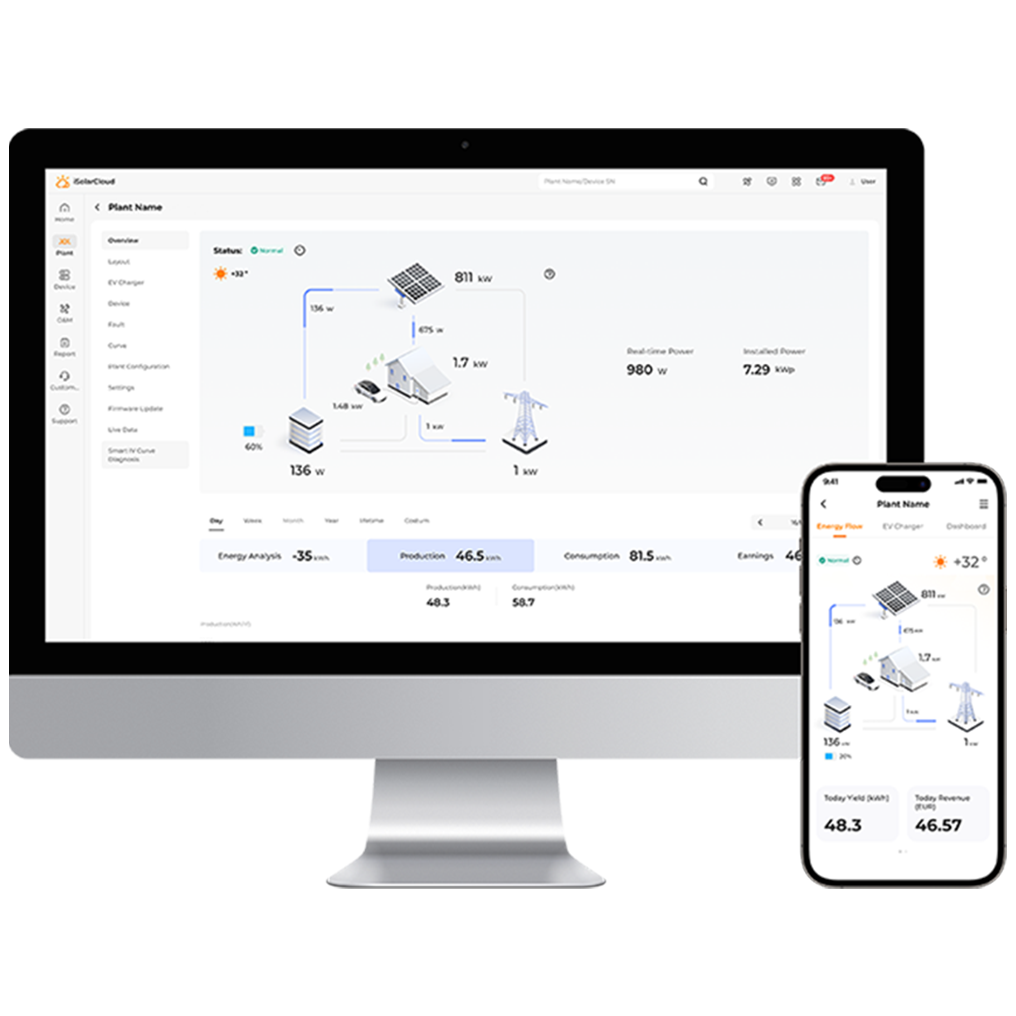
How I judge solutions — three practical metrics
I evaluate systems using three clear metrics: effective self-consumption rate (how much PV you actually use at home), realistic round-trip efficiency of the battery, and time-to-return (months until cumulative savings exceed cost). Use measured numbers — not vendor promises. For example, on a 5 kW install in Clementi (installed Mar 2020) tracking showed a 60% self-consumption after we optimised orientation and added a small 3 kWh battery, cutting the household’s grid bill by S$1,200 in the first year. Small details matter: roof pitch, inverter MPPT count, and permitted export limit — these change the math.
Final thought: don’t rush or postpone the planning phase — treat the design like a staged project. If you want a system that actually lightens bills and survives outages, plan for expansion, pick compatible inverter + battery combos, and time installations around permit and weather windows. I’ve done the messy reworks so you don’t have to. For straightforward, dependable gear and sensible design, check out sungrow. Honestly, you’ll thank yourself later.
