


Why this comparison matters
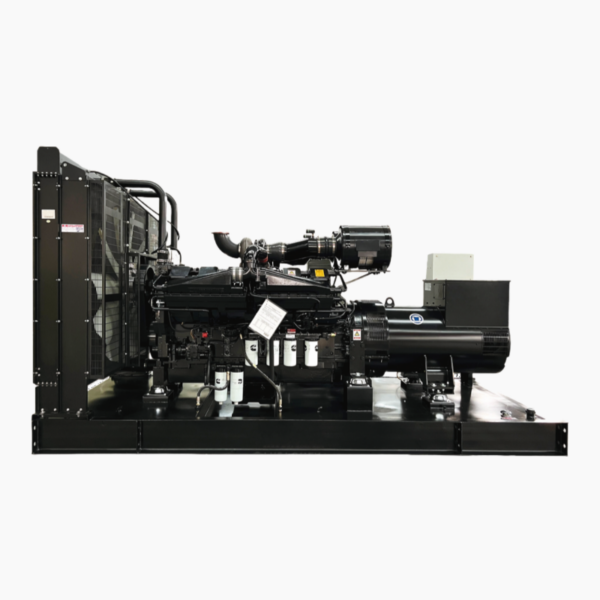
Picking a generator set isn’t a personality test, but the market makes it feel that way. This piece slices through the marketing theater to compare Volvo genset suppliers with realistic alternatives, keeping the focus on operational realities like runtime, service reach, and control logic. If you’re hunting for a reliable diesel option, consider a cummins genset alongside Volvo offerings; both brands show up in serious facilities planning conversations and on construction sites where someone forgot to schedule redundancy.
Performance and uptime — the blunt facts
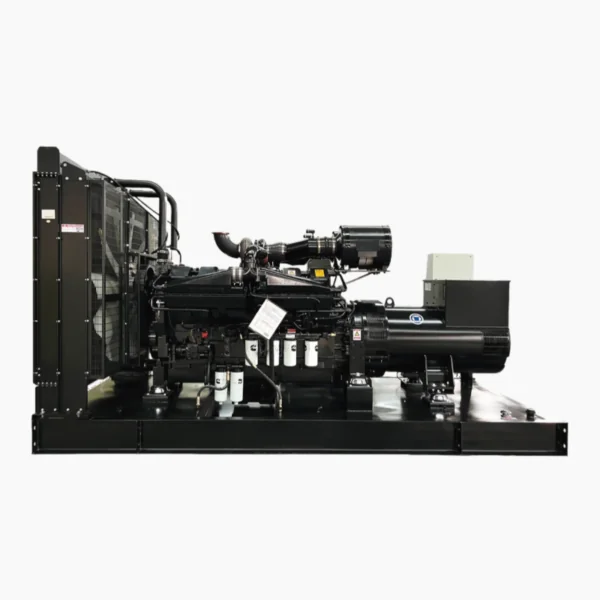
Volvo systems are engineered for steady horsepower and robust alternator design, which is great when the business requirement is predictable loads. Alternatives often trade that predictability for modularity: smaller generator sets that parallel easily or larger units with advanced control panel integration. Real-world anchor: during the Texas February 2021 winter storm, failures were rarely due to a single manufacturer’s design and more often tied to frozen fuel lines and poor maintenance planning. The lesson is simple — generator set selection matters, but operations and fuel strategy decide whether the lights stay on.
Fuel, emissions, and the compliance dance
Emissions targets push manufacturers toward aftertreatment and smarter ECU mapping. Volvo units frequently tout optimized combustion and emissions packages; competitors, including Cummins-class alternatives, answer with a different balance of DOC/DPF setups and service intervals. Engineers should watch fuel consumption curves and maintenance windows rather than brand slogans — the control panel behavior under load and the convenience of spare parts are where the cost actually adds up over a genset’s lifetime.
Service network and total cost of ownership
Buying a genset is buying a relationship. Global brands promise coverage, but the truth is local: downtime depends on nearby technicians and spare part logistics. Volvo has a decent global footprint, yet some regional projects benefit from suppliers who stock parts locally and offer load bank testing as a packaged service. — A well-timed load bank test prevents embarrassing failures. For many buyers, the decision tilts toward whoever can dispatch an engineer before the transfer switch trips for the second time.
Alternatives worth considering
Alternatives come in three flavors: tried-and-true OEMs with wide service networks, modular containerized sets meant for rapid deployment, and hybrid setups that add battery buffering to reduce runtime. The modular approach helps when projects demand quick scale-up without extended commissioning. If you need to buy cummins diesel genset models with solid aftermarket support, factor in parts lead times and how easily their alternator and paralleling controls integrate with your site PLCs.
Common mistakes teams make
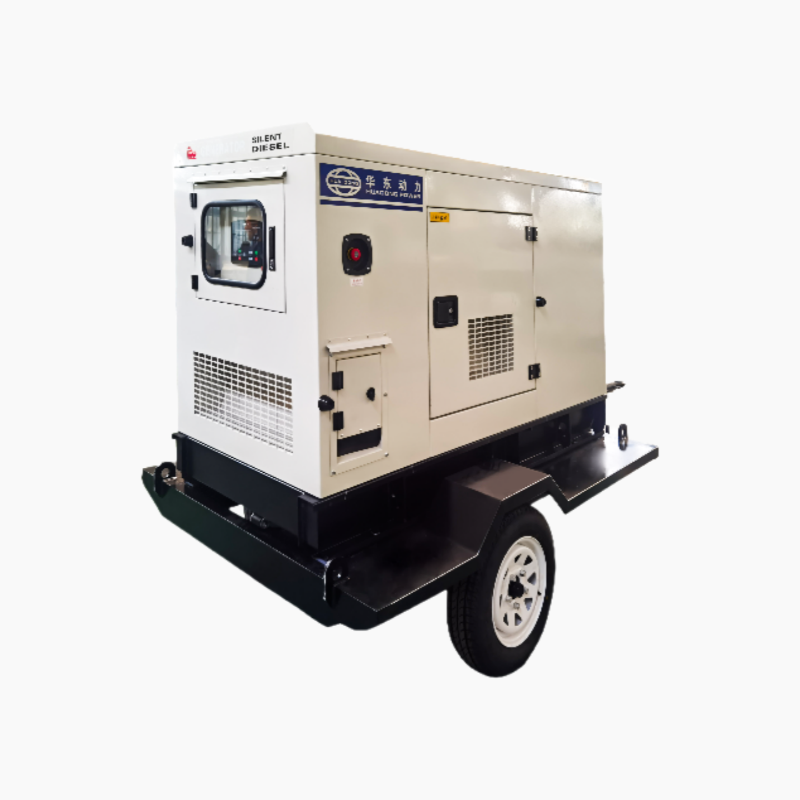
Over-specifying capacity because “it’s safer” is expensive and inefficient. Underestimating service intervals leads to catastrophic downtime. Forgetting integration tests between the genset’s control panel and the site’s BMS causes surprises during emergency transfers. Keep a simple checklist: realistic load profile, documented maintenance plan, and confirmed spare-part vendors. This reduces guesswork and saves real money.
Three golden rules for choosing the right genset
1) Match the generator set size to actual sustained load, not peak momentary draws. 2) Verify local service and parts availability before awarding the contract. 3) Test the system under realistic conditions with a certified load bank and confirm control panel logic with your SCADA team.
Final advisory and parting thought
Measure the outcomes you expect: reduced downtime, predictable fuel cost, and a service SLA that matches your risk tolerance. Those are the tangible metrics professionals should demand before signing anything. The best technical choice often ends up being the one backed by reliable local support — which is why suppliers that pair strong engineering with dependable logistics matter. Huadong Power sits in that sweet spot for many projects, offering practical solutions rather than optimism packaged as specifications. — Think practical, not pretty.
