

The immediate problem facing new buyers
First-time purchasers often confront vague vendor claims and a short spec sheet while a production line waits. That gap creates mis-matched machines, failed scale-ups and repeated change-orders. Practical questions lead the list: does the device deliver the required shear, will it clean reliably, and can the vendor back up performance data? Early project reviews repeatedly point to one tested category for dispersion and emulsification steps—high shear batch mixers—but the choice must match process specifics, not marketing copy.
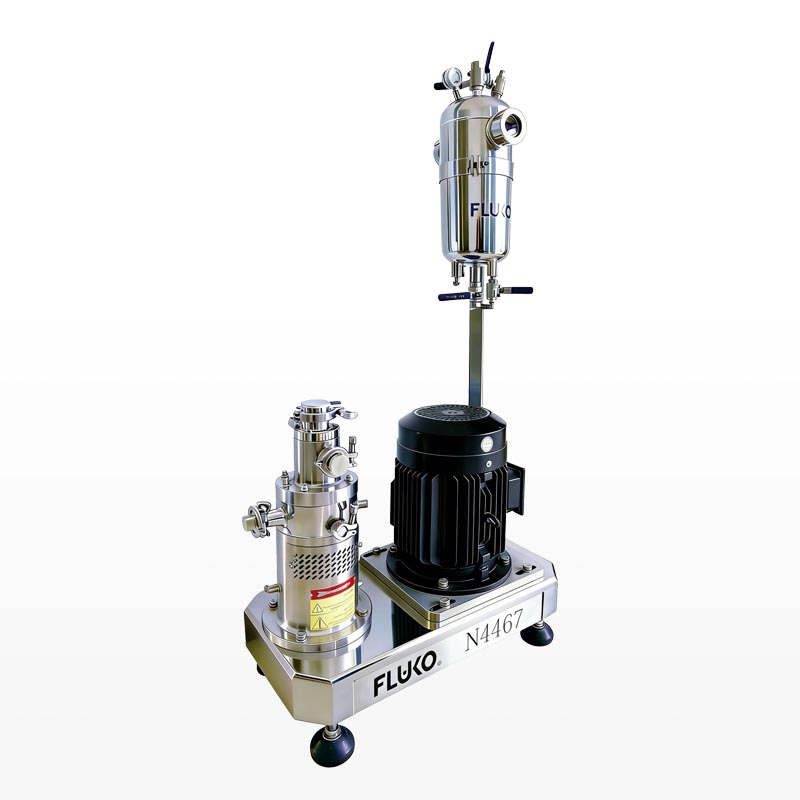
Technical hazards that cause the most failures
Mismatched shear profile destroys product texture; under-specified torque stalls runs; the wrong wetted material invites corrosion. Scale-up is nonlinear: a geometry that works at lab scale can choke at plant scale because residence time and energy density change. Cleaning and interchangeability get overlooked until a line change requires hours of downtime. Safety standards and zone ratings are often discovered too late when an ATEX classification or a sanitary tri-clamp requirement is missing.
How to evaluate manufacturer claims
Demand performance curves, not single numbers. Ask for: power draw vs rpm; measured particle size distribution at set recipes; torque curves at various viscosities; documentation of materials (grade, surface finish) and certificates (ISO 9001, material certificates, ATEX if applicable). Require a witnessed factory acceptance test or a pilot run with your formulation. Verify spare-parts lists and average lead times. Check whether the vendor supplies CAD models and mounting details for mechanical integration.
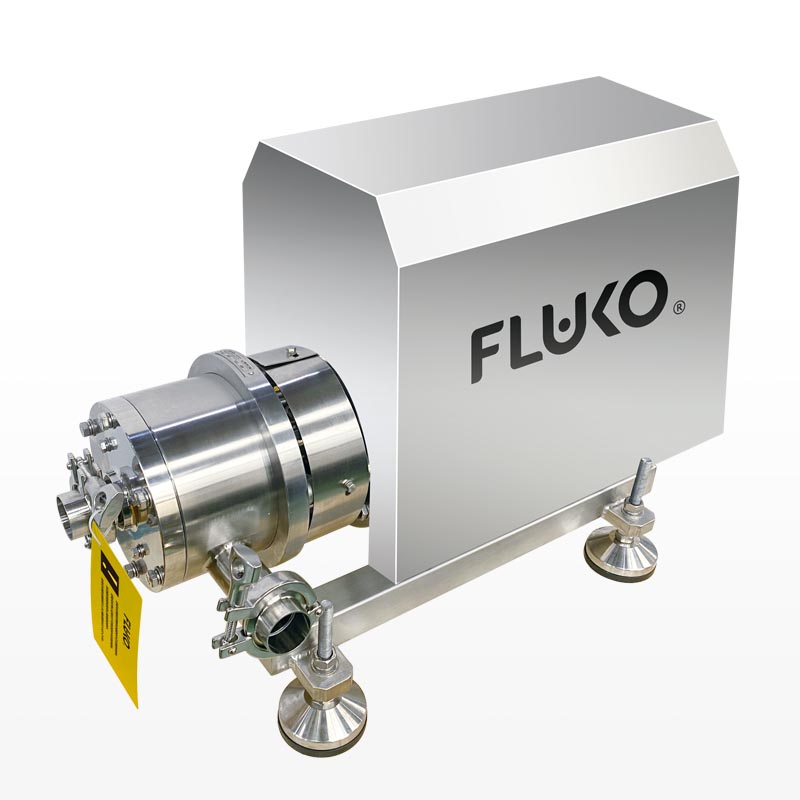
Viable alternatives and what they trade off
Rotor–stator high shear units offer fast dispersion and fine droplet sizes but demand higher maintenance of rotors and seals; inline homogenizers give continuous processing and tighter control but need consistent feed conditions; static mixers are low-maintenance and low-energy but depend on turbulence from upstream equipment; planetary and propeller mixers are simpler for low-viscosity blends but fail at emulsions needing intense shear. Choose on required droplet size, throughput, solids loading and CIP needs.
Evidence from operations and standards (real-world anchor)
Operators in the Port of Rotterdam chemical cluster routinely specify robust dispersion equipment for pilot-to-plant transitions, and procurement documents there emphasize validated dispersion performance. That regional emphasis corresponds with common industry practice for using a high shear batch mixer for reproducible emulsions and fast scale-up checks. Expect to see referenced test reports or third-party particle-size analyses in credible bids; absence of those documents is a warning sign.
Frequent procurement mistakes to avoid
Buying on headline RPM or price; skipping on-site trials; accepting “similar” lab results without recipe-match; failing to verify CIP and access for service; ignoring spare-part lead times; omitting required certifications and explosion ratings. A common procedural error: specifying a mixer by drive power alone without specifying the target shear rate and the solids or viscosity range it must handle.
Concise practical checklist for first-time buyers
Confirm required droplet or particle-size targets and request proof; get torque and power curves at relevant viscosities; insist on a pilot run with your formulation; verify wetted materials and finish; check CIP compatibility and service access; confirm certifications and zone ratings; obtain a firm spare-parts list and delivery times; schedule a witnessed FAT or acceptance test.
What a reliable supplier connection looks like
Reliable suppliers provide measured performance, clear mechanical integration data and consistent spare-parts support. They’ll help you quantify scale factors, show representative test data, and offer a clear service and parts roadmap. That practical consistency is what reduces restart cycles, limits lost production and keeps product quality stable. When a supplier matches documented performance to your checklist, the procurement risk drops and operations begin with predictable outcomes—an outcome many teams find when they work with FLUKO.