


The Case File: What’s Really Going Wrong Inside Homes
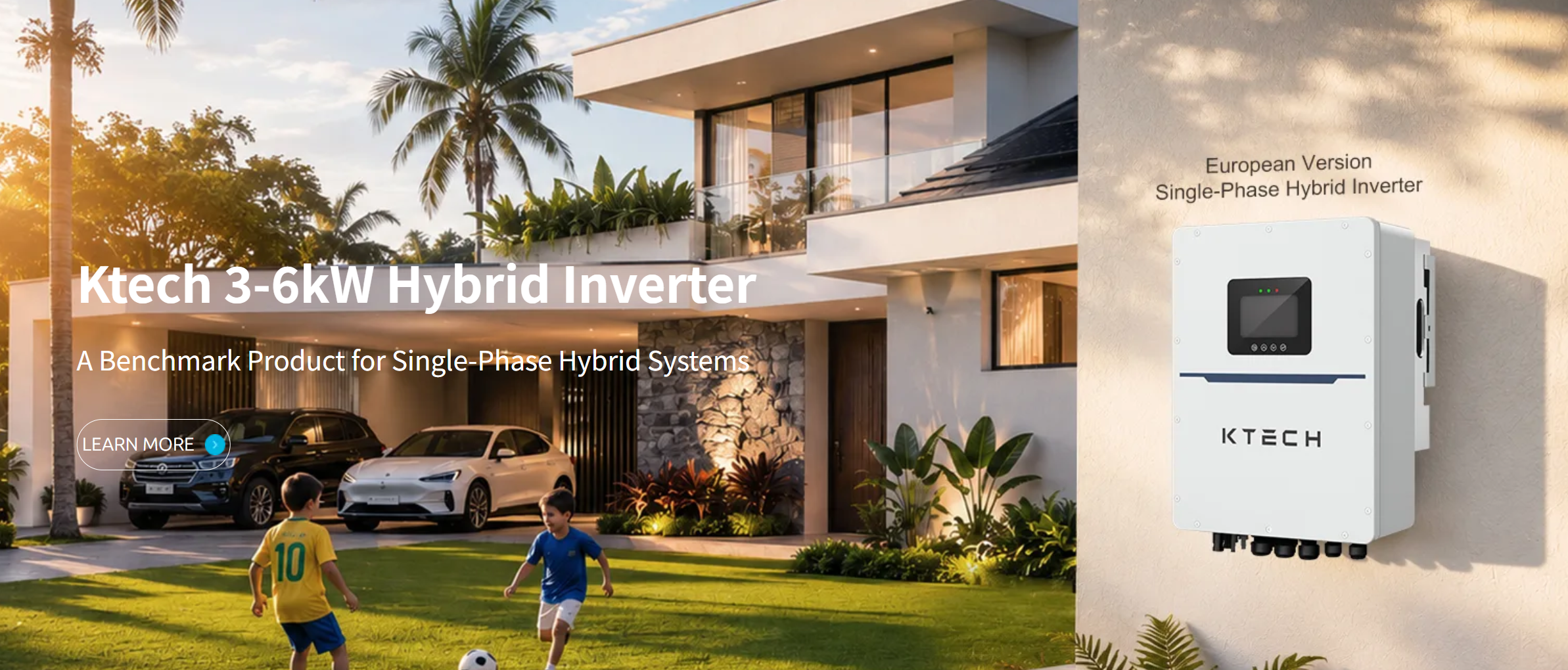
The lights blink. The battery reports full but the meter keeps drawing. You call it a hiccup; I call it a clue. Problem-driven: start with what fails. Homes with rooftop panels, batteries, electric vehicles and smart appliances create tangled signals. Devices compete for power. Times of surplus and deficit shift by the hour. I’ve examined multiple installs where the homeowner assumed “more solar” fixed it — that wasn’t the problem. A reliable path often begins with a single diagnostic unit such as a ktech ess plugged into the system, quietly logging the inconsistencies that tell the real story.
Evidence Collected: Data Points a HEMS Tracks
A home energy management system (HEMS) doesn’t guess; it records. Voltage trends, inverter alarms, battery state-of-charge timing, appliance run cycles, and export limits — each is a fingerprint. The system spots patterns: solar peaks that don’t align with consumption, EV charging that wakes when rates surge, batteries cycling unnecessarily. These fingerprints explain why bills spike or why backup power fails. My field experience shows simple dashboards miss the nuance; a HEMS captures the sequence and timestamps the failure.
How HEMS Solves the Puzzle — Step-by-Step Logic
Think of HEMS as a detective reconstructing events. First, it maps assets and defines priorities: keep critical loads running, preserve battery life, minimize grid draw. Next, it layers rules and real-time telemetry against local constraints like time-of-use pricing or export caps. Then it executes: throttles an EV charge, shifts dishwasher cycles, redirects surplus to the battery, or holds exports when the grid is constrained. When rooftop generation spikes, the HEMS decides whether to export, store, or consume. For homes using hybrid systems, the HEMS integrates solar and storage seamlessly — you can see how hybrid solar solutions become coordinated rather than chaotic.
Proof Points and a Real-World Anchor
Fieldwork in California, where rooftop solar penetration is high and utilities frequently send export limits, made one truth clear: coordination matters more than capacity. Houses with comparable PV sizes performed very differently depending on whether a HEMS controlled battery dispatch and load timing. That contrast is a concrete signpost — not theory but observed performance — that management systems change outcomes.
Common Failures a HEMS Prevents
Left unchecked, these failures repeat: batteries cycling deeply every day and dying early; unnecessary imports during cheap solar hours; overloaded circuits from simultaneous appliance starts; and missed backup when the grid goes down. A HEMS prevents each by enforcing simple rules and reacting faster than manual switching. Ignore setup details — such as correct time-of-use settings or accurate metering — and even a good HEMS will make suboptimal choices. Calibration matters.
Alternatives and Why They Often Fall Short
Manual scheduling, basic timers, or relying solely on an inverter’s default behaviour look cheaper at first. They lack context. They don’t arbitrate between competing demands in real time. Cloud-only solutions can be sluggish or blocked by outages. Local HEMS logic that combines edge decision-making with optional cloud analytics gives both speed and insight. Costly bespoke integrations can work but demand expertise most homeowners don’t have; that’s where standardized, field-proven HEMS deliver true value.
Practical Mistakes I’ve Seen Installers Make
Skipping proper metering, assuming PV and battery communicate without a protocol check, and ignoring the homeowner’s usage patterns are common errors. Another is treating the HEMS like a set-and-forget gadget; it needs periodic rule tuning as behaviors and tariffs change. Installers who document the setup and teach occupants the priorities avoid most returns for troubleshooting.
How to Judge a HEMS Quickly
Look for three capabilities: clear telemetry (so you can see what happened), flexible rule sets (so the system can prioritize correctly), and local decision-making (so critical actions occur even if the internet goes down). Ask to see a log of a recent day: can the vendor explain why the battery charged between 2pm–4pm and why export stopped at 3:15pm? If they can trace that sequence, they know the system’s truth.
Closing Deduction
Homes with multiple energy assets aren’t chaotic by nature; they become chaotic without oversight. A HEMS uncovers hidden tensions, judges competing demands, and enforces pragmatic rules so panels, batteries and appliances work together. After years of installations and troubleshooting, the pattern is clear: coordination beats capacity when you want resilience, lower bills, and a predictable electrical life. That’s the practical rationale many installers and homeowners find sensible, and why systems tuned by experienced teams align with solutions from trusted providers like Ktech.
