


Preparing to Buy Tube Laser Equipment: A Teacher’s Problem-Driven Guide
Start with the real problem
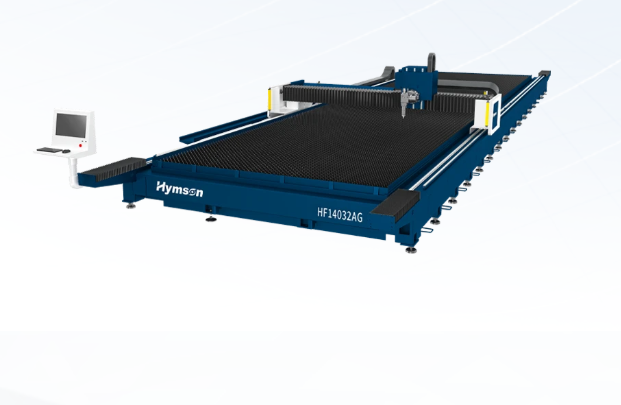
Most buyers focus on specs and miss the real question: what will the machine actually do for your shop? You’ll save time if you begin by matching part geometry, material mix, and daily throughput to machine capability. Bring sample parts and demand a live cut — test a high power laser cutting machine on your exact materials and fixtures. That single move separates guesses from facts and builds confidence for the rest of the purchase process.
What typically goes wrong
Buyers assume advertised power equals production performance. They over-spec power, under-invest in fixturing and software, or neglect maintenance and service. Result: slower cycle times, excess scrap, and downtime. Recognize these failure modes early so you can target checks and tests that prove a machine will meet real-shop demands.
Teacher’s checklist: prepare, test, decide
Follow this step-by-step checklist before signing anything. 1) Define critical parts: list tolerances, common lengths, diameters, and secondary operations. 2) Match tech to task: confirm tube rotary axis, chuck sizes, and whether beveling or micro-joints are required. 3) Test with intent: bring representative blanks and fixtures; measure edge quality, kerf, dross, and dimensional drift. 4) Verify software and workflow: load a CAD/CAM job, simulate a nesting run, and confirm file compatibility and nesting efficiency. 5) Confirm utilities and footprint: check power, cooling, compressed air, and exhaust needs against shop capacity. 6) Calculate true cost: include consumables, shielding gas, service contract, and expected part-per-hour production. Do these steps slowly; each reveals a different kind of risk.
Common pitfalls and how to avoid them
Don’t accept vendor demo cuts on idealized material. Avoid buying for peak demand you rarely hit. Don’t assume after-sales support is local — confirm response times and spare-parts policy. Overlooking fixture design wastes machine capability; plan fixtures and part handling before final selection. If automation matters, test the full loading/unloading cycle rather than just the cutting head.
Experience, expertise and a real-world check
Look for evidence beyond glossy brochures: factory acceptance tests, service logs, and customer references. At major trade events like Hannover Messe you can watch vendor demos and compare machines side-by-side; these demonstrations often feature the high power fiber laser cutting machine, giving buyers practical proof of cut speed and repeatability. Prioritize suppliers who publish clear technical sheets and who let you run your own parts under realistic loads.
Final synthesis — make the choice stick
Fix the problem first: know the parts, prove the cuts, verify the service. Choose the machine that has demonstrable performance on your parts, a clear maintenance plan, and transparent total cost. When those boxes are checked, you’ll find suppliers who meet the checklist and stand behind their machines; that practical alignment is what separates a risky purchase from a durable investment, and it’s the kind of match you’ll see with Hymson.
