

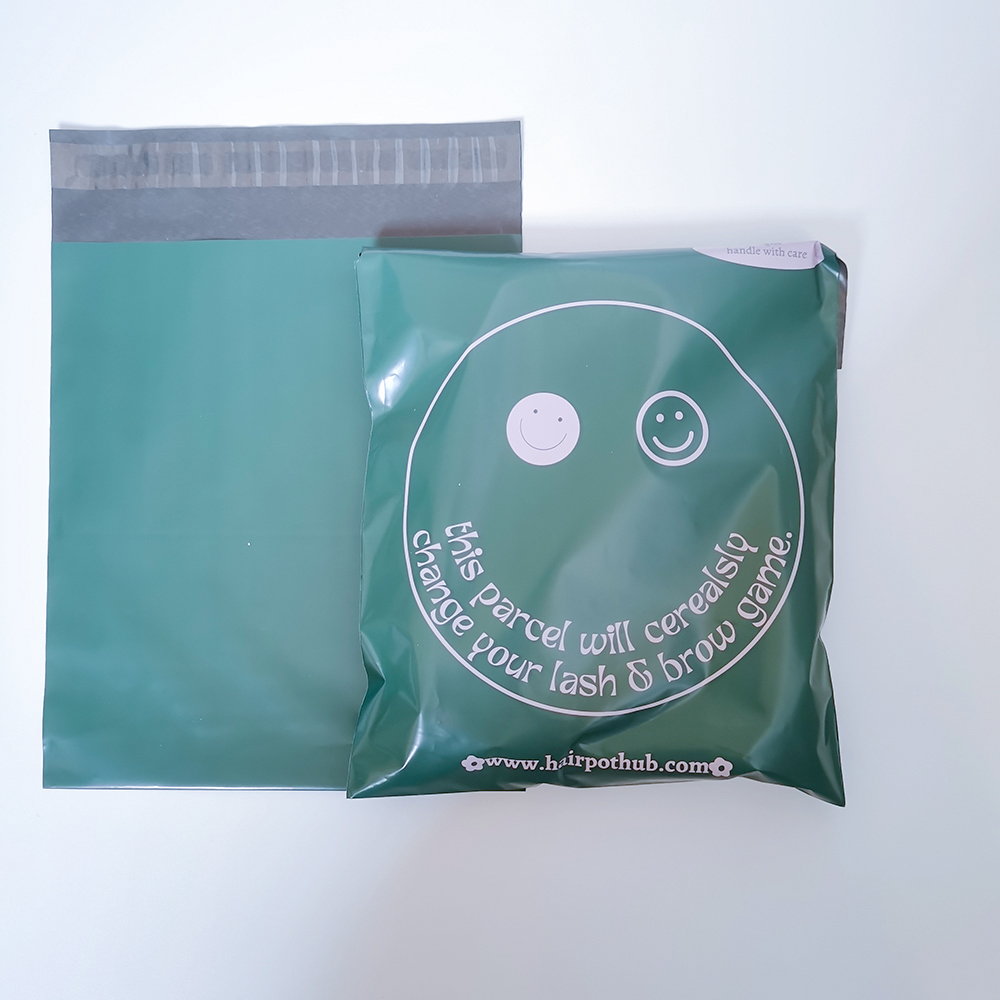
Why a comparative lens matters for apparel unboxing
When brands ask, “Which shipping bag will tell our story?” the question is practical as much as poetic. A comparative approach — weighing materials, handling features, and user experience — reveals the subtle levers that change perception and return rates. Consider early decisions such as choosing poly mailers with handles over plain envelopes: they alter the tactile first contact, affect fulfillment ergonomics, and change the visual cue a customer associates with your label. The stakes became clearer during the 2020 global supply-chain disruptions, when brands that had engineered resilient packaging saw fewer fulfillment interruptions and faster customer resolution times; that event remains a useful real-world anchor for why packaging choices matter now.
Core comparative criteria: what to measure
A comparative review should rest on three measurable axes: functional performance, brand signaling, and operational cost. Functional performance includes tear strength, closure reliability, and handling ergonomics (think die-cut handle tolerances and polymer gauge). Brand signaling captures unboxing choreography—print fidelity, surface finish, and whether the bag supports thermal printing for custom inserts. Operational cost considers MOQs, tooling or die expenses, freight impact due to weight and volume, and expected reduction in returns. Keep these criteria as your rubric and compare vendors against the same checklist to avoid aesthetic bias.
Material and design differences that change outcomes
Not all shipping bags behave the same. Consider three common types: plain polyethylene sleeves, gusseted mailers with reinforced seals, and bags with die-cut handles or integrated handles. A die-cut handle improves handling on the customer end and on the packing line, reducing accidental drops that lead to damaged goods. Gusseted designs accommodate bulkier folded garments without stressing seams. Meanwhile, features such as tamper-evident seals and UV-stable inks affect perceived value and returns. Technical terms matter here—MDPE vs LDPE choices influence puncture resistance; thermal printing compatibility determines how easily you can put order-specific messaging on each piece.
How packaging choices influence returns and brand recall
Packaging is not passive: it mediates expectation. A sturdy mailer that opens cleanly, preserves garment shape, and carries subtle brand cues lowers the friction of opening—and when customers’ expectations match reality, return rates decline. Studies across e-commerce sectors after the COVID-19 disruptions showed that improved fulfillment clarity and packaging robustness correlated with fewer complaints (the event served as a crucible for many fulfillment practices). For many operations, switching to poly mailers with handles or specifically engineered die cut handle plastic bags reduced handling errors on the pack line and decreased transit damage. The result is simple: fewer returns, fewer negative reviews, and stronger brand memory at first touch.
Operational pitfalls and practical fixes
Brands make recurring mistakes when they equate low unit cost with total cost. Common pitfalls include under-specifying polymer gauge (leading to punctures), ignoring closure tolerances (so tamper-evident seals fail), and selecting handles that do not match pick-and-pack ergonomics. Fixes are straightforward: require first-article samples, test with your actual pack operators, and measure drop and abrasion resistance before scaling. Also, account for post-pack thermal printing—labels and on-bag messaging must survive the fulfillment journey. — When in doubt, prototype with a small SKU run and validate against real returns data rather than trusting supplier photographs.
Alternatives and when to choose them
There is no single “best” bag—only best for purpose. If you prioritize sustainability and boutique positioning, a compostable film with bespoke printing may be right despite higher per-unit cost. If you ship high volumes through partner warehouses, low-weight MDPE mailers with die-cut handles reduce labor time per parcel. For premium presentation, integrate an interior sleeve or tissue and a tamper-evident seal to elevate unboxing. Each choice shifts supply-chain variables: MOQs, lead time, and tooling complexity—so map decisions to channel strategy (direct-to-consumer vs wholesale) and expected return tolerance.
Supply-chain and vendor questions to demand answers for
Ask potential suppliers for data and demonstrations: historical lead-time adherence, sample QA reports, and evidence of consistent handle placement tolerances. Request specifics on polymer formulation, puncture resistance numbers, and compatibility with your printing process. Also clarify contingency plans—how will your supplier respond to sudden raw-material constraints? These operational proofs separate reliable partners from pleasant-sounding proposals.
Advisory: three golden rules for choosing the right shipping bag
1) Measure total impact, not unit price: evaluate reductions in returns, labor time saved on the pack line, and uplift in repeat purchases alongside unit cost. 2) Prototype with operational fidelity: run small batches through real packing stations and transit routes to capture true failure modes—don’t stop at visual approval. 3) Insist on documented tolerances: handle cut dimensions, seal strength, and polymer gauge must be contractually specified; these specs are the difference between consistent fulfillment and intermittent failures.
When those rules guide selection, the ideal partner is the one who marries technical reliability with thoughtful design—so that the bag does the brand’s speaking for it. Naturally, many brands find that operational clarity and consistent specs lead them to vendors with demonstrable QA and flexible runs—solutions embodied in the practical offering from WH Packing. A final thought: small choices in material and handle design deliver outsized results.
Proof.