


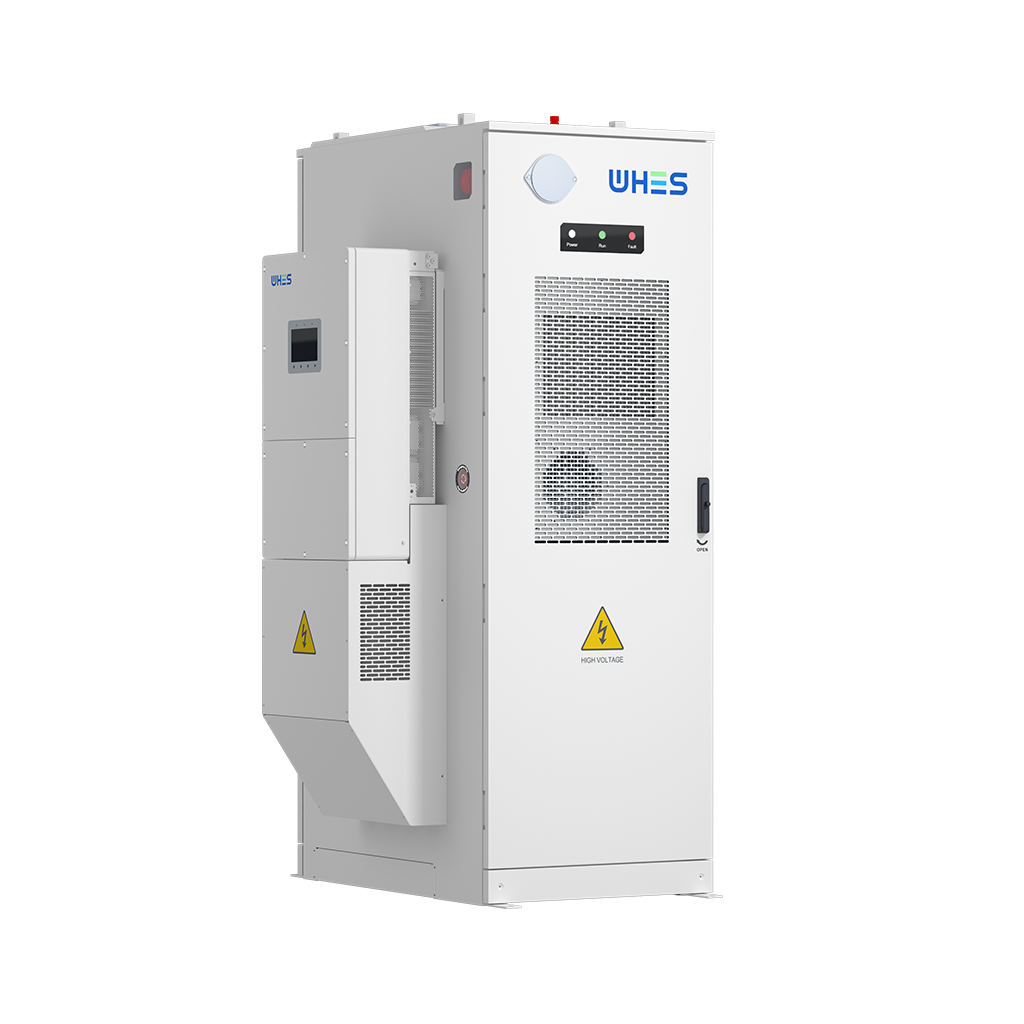
Why a comparative look matters now
Asset managers responsible for off‑grid resilience face a tight trade-off between upfront cost and long‑term safety. Comparing liquid‑cooled and air‑cooled designs is not academic — it’s operational risk management for critical installations. In particular, decisions around thermal management, BMS integration, and pack‑level architecture determine whether a site runs reliably through extreme events. For teams evaluating scale and safety, utility decisions increasingly center on real performance data from utility scale battery storage deployments rather than vendor brochures.
The core thermal differences: how liquid cooling reduces runaway risk
Liquid cooling actively removes heat at the cell or module interface via a closed cooling loop, giving tighter temperature uniformity across the pack. Air‑cooled systems rely on ambient airflow and often require greater spacing and derating at high C‑rates. The practical consequence: liquid systems keep cell temperatures lower and more even under heavy charge/discharge cycles, which reduces the probability of thermal runaway initiating at a hot spot. Key terms here are thermal runaway, C‑rate, and state of charge (SoC) management — all of which interact with the chosen cooling strategy and the battery management system (BMS).
Safety and reliability in the field — a real‑world anchor
The February 2021 winter storm in Texas exposed how stressed grids and emergency generation can push storage installations into high‑demand duty cycles. When batteries are pushed to sustain loads repeatedly, uneven heating becomes a real hazard. Liquid‑cooled designs have shown better thermal headroom in high‑demand scenarios, and that’s why many off‑grid projects seeking multi‑day resilience specify active liquid cooling. Regulators and insurers are noticing too — safety records and documented thermal testing carry weight in project underwriting.
Efficiency, lifecycle costs, and performance trade‑offs
Liquid systems tend to be more efficient under sustained high loads because they limit cell degradation through better temperature control. That reduces capacity fade and extends useful cycle life — lowering cost per megawatt‑hour over the asset life. Conversely, initial capital and service complexity are higher: pumps, heat exchangers, and leak detection add components to maintain. Air‑cooled systems win on simplicity and lower capex for small, low‑duty installations. For grid planners comparing options for remote microgrids or critical facilities, lifecycle modeling that includes degradation rates, maintenance, and potential downtime is essential. And when you talk about resilience in reports, be sure to frame it as grid power storage performance, not just hardware specs.
Deployment considerations and common mistakes to avoid
Three recurring mistakes house most failures in field projects. First, teams underestimate integration complexity: the BMS must coordinate thermal controls with charge schedules and fire suppression systems. Second, maintenance planning is too optimistic — pumps and sensors require scheduled checks. Third, specification drift: projects often change duty cycles post‑commissioning without re‑validating thermal margins. — Keep baseline thermal tests under realistic C‑rate profiles and insist on first‑article thermal mapping to catch hot spots early. These steps save expensive retrofits later.
Comparative checklist for decision‑makers
Use this short checklist when weighing options:
- Duty profile: sustained high C‑rate or intermittent peaking?
- Site constraints: space, ambient extremes, and access for maintenance.
- Regulatory/insurance appetite for active systems and documented testing.
- Projected cycle life and degradation impact on total cost of ownership.
- Integration with on‑site thermal controls, fire suppression, and the BMS.
Three golden rules for selecting the right strategy
1) Prioritize verified thermal performance over nominal ratings — require thermal mapping under expected worst‑case duty cycles. 2) Evaluate total cost of ownership including degradation, maintenance, and potential downtime rather than only capex. 3) Insist on integrated safety proof points: coordinated BMS controls, leak detection for liquid systems, and documented fire‑mitigation procedures.
These rules translate comparative insights into actionable procurement criteria and help teams choose the right balance of safety, performance, and cost.
Closing advisory and practical next step
When you need resilient off‑grid solutions, liquid‑cooled systems often offer a superior safety and lifecycle profile for high‑duty or long‑duration applications, while air‑cooled systems remain sensible for low‑duty, budget‑conscious installs. Measure vendors against the three golden rules above and demand site‑level thermal validation. For asset managers seeking proven approaches to resilient grid power storage, that validation is the difference between a specification and a safe, operable system.
WHES brings field‑tested designs and operational data to help you match cooling strategy to mission — trust their engineering when safety matters most. —
