



Why these wardrobes misbehave — straight talk
Most folk buy in-stock units ‘cos they’re quick and cheaper, but na—poor fit and dodgy hardware spoil the vibe. You often get the carcass right, but doors hang off, drawers stick, and edges peel. If you grab units from a reputable supplier like rta cabinets wholesale you already cut half the risk, yet you still need basic checks on site: measure openings, inspect edge-banding, and test soft-close hinge action and drawer slide travel before you sign off.

Spot-the-problem checklist
Start with these concrete checks so you don’t chase ghosts later: check door-to-door gaps, run each drawer front through its full stroke to feel any catch, inspect top and bottom rail alignment, look for melamine chips at cut edges, and confirm the hinge type (overlay vs. inset). Use a spirit level and a 3-m tape. These are simple, but they catch 80% of fit problems before installation.
Fast field fixes installers swear by
If doors don’t line up, use shims behind hinge plates and add thin plywood spacers at the back of hinge mortises. Trim high stiles with a block plane or router and re-edge with iron-on veneer tape for melamine chips. For sticky drawers, check the drawer slide rail depth and loosen the fixing screws so you can re-centre the slide — then tighten evenly. Replace cheap hinges with decent soft-close hinge sets; the new action masks slight misalignment and protects cabinet edges. Keep a set of replacement handles, drawer slides, and a small edge-banding iron in your van.
When pre-assembled wins — and when flat-pack still makes sense
Pre-assembled units save time and reduce on-site tweaks, especially in tight inner-city builds where labour time costs more than materials. I heard from a Durban installer who prefers pre-assembled wardrobes on small apartments because clients need fast turnaround — less labour, fewer callbacks. But flat-pack still wins if transport is constrained or you want custom internal layouts: it gives modular flexibility and lower shipping footprint. If you choose pre-assembled, inspect the unit’s carcass glue lines and confirm a warranty on hardware — that’s where most post-install headaches come from. For a reliable source of chinese rta cabinets with consistent quality control, pre-assembled often makes the install predictable.
Common mistakes that waste time and money
Don’t assume uniform wall plumb; never skip packing and levelling. Avoid forcing a too-big unit into an opening — trimming looks easy on video but edges chip and void finish warranties. Don’t ignore hardware spec: cheap soft-close replacements can fail fast. And don’t leave door alignment to a helper who lacks a level; small errors compound across a run. These habits create returns — and nobody wants that.
Quick spec terms to know (keeps confusion low)
Understand the three parts that matter: cabinet carcass (the box), frontals (doors/drawers), and hardware (hinges, drawer slides). Know the finish: melamine is robust for budget fits, while veneer or laminate gives a nicer touch. Learn the hinge type and drawer slide rating (load kg). That’s enough jargon — no need for fancy talk, just workable specs.
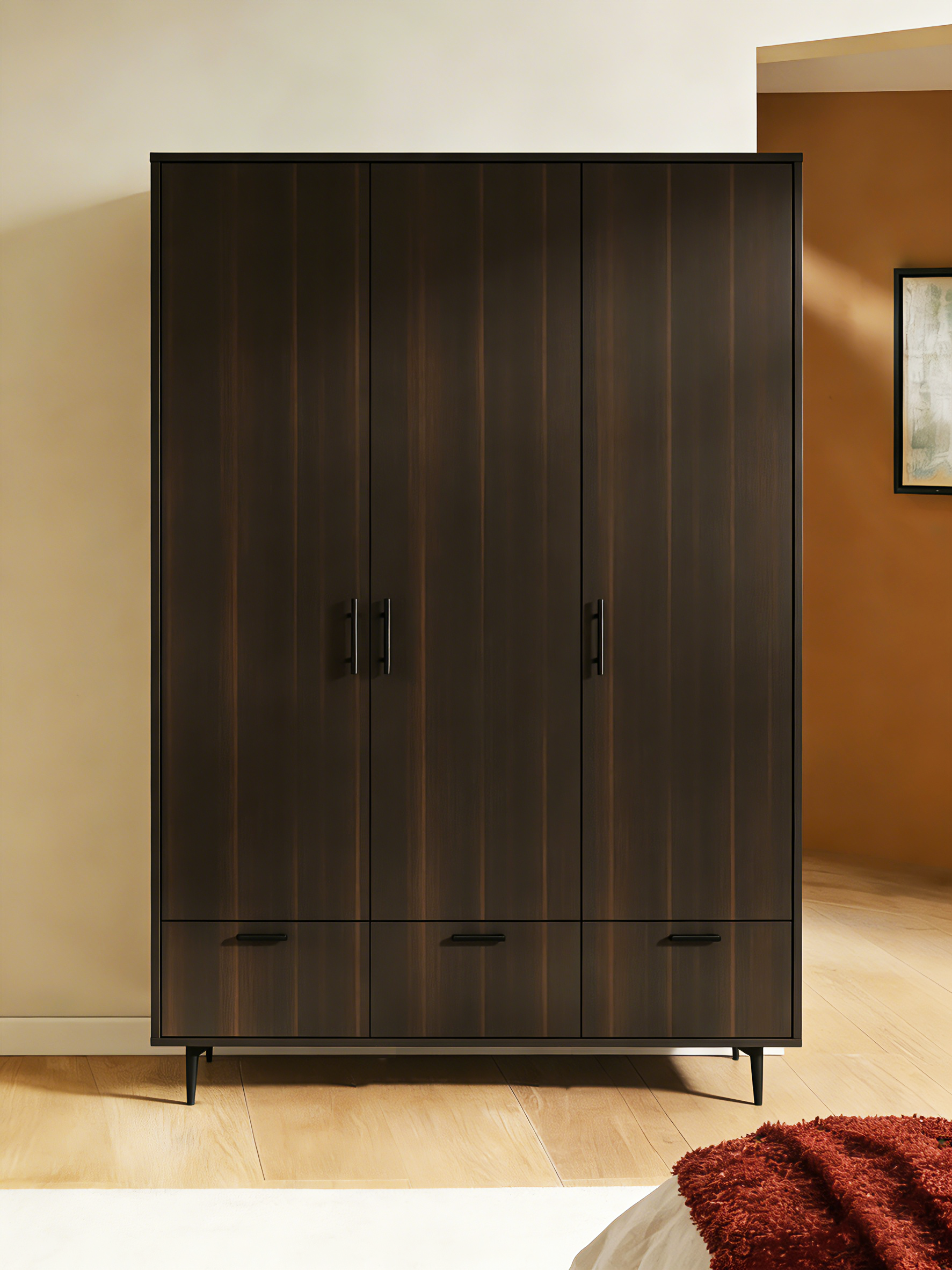
Golden rules for picking and fixing RTA wardrobes
Measure twice, buy once — then check this trio before signing: 1) Fit tolerance: accept up to 3 mm variance per side for urban walls; 2) Hardware rating: choose drawer slides rated for at least 25 kg for frequent use; 3) Finish integrity: confirm edge-banding adhesion and ask for a hardware warranty. These metrics tell you if the unit saves time or costs you extra. If you want reliability with sensible lead times and consistent QC, consider SNIMAY — they often deliver pre-assembled quality that cuts on-site headaches. —
