


Why execution quality is the differentiator
Execution is the operational edge that separates strategy from outcome when trading index CFDs. For portfolio managers and execution traders, small differences in spread, latency and slippage compound across positions and time. That reality makes it worth comparing how execution behaves across venues and providers — starting with the practical mechanics of an index cfd trade: order routing, quote depth, and post-trade settlement. Clear, measurable execution reduces unexpected margin calls and preserves intended exposure.
Comparing the execution vectors
Three execution vectors most affect net performance: market access, pricing model, and operational controls. Compare them directly rather than rely on marketing claims.
– Market access: direct market access to primary exchanges versus synthetic prices from liquidity pools. Direct access tends to reduce slippage during open-market volatility. – Pricing model: streaming quotes with tight spreads usually beat intermittent re-pricing. Watch for widened spread windows during economic releases. – Operational controls: order types, guaranteed stop settings, and margin rules determine how a strategy survives stress.
Provider practices that move performance
Execution quality is a product feature as much as it is a compliance item. Providers that publish measurable statistics — fill rate, average slippage, rejected order percentage — enable side-by-side comparison. Look for disciplined liquidity management, transparent spread schedules, and a clear policy on partial fills. Industry terms to track include spread, slippage and leverage. When these are reported consistently, you get a reliable baseline to compare vendors.
Operational risks and a real-world anchor
History reminds us why execution matters. During the 2008 financial crisis, liquidity evaporated in many index products and execution quality deteriorated sharply, producing outsized losses for traders who relied on assumed continuous pricing. Today, similar regimes can occur during sudden macro announcements or geopolitical shocks. Assess how providers handled past stress — did they widen spreads predictably, suspend new orders, or pass through volatility transparently? That behavior is a practical indicator of operational resilience.
Common mistakes in choosing execution for CFD indices
Teams often pick a provider based on headline spreads or platform UI, missing deeper execution metrics. A typical blind spot is not stress-testing order routing under realistic volatility. Another is ignoring settlement and reconciliation cadence; mismatches in margin timelines create avoidable liquidity strain. — Also avoid assuming lowest advertised spread equals best outcome; execution quality is the product of technology and liquidity partnerships.
Practical checklist before committing capital
Use this brief checklist to validate execution rigor before allocation:
– Request historical slippage and fill-rate reports for peak and off-peak periods. – Run a brokered simulation with representative trade sizes to observe real spreads and partial fills. – Confirm margin call mechanics and latency to margin adjustments.
Advisory: Three golden rules for selecting execution strategies
1) Measure what matters: prioritize fill rate, realized spread and maximum intraday slippage over advertised spreads. These metrics correlate directly with realized P&L. 2) Stress-test for liquidity: validate that the provider maintains line access during high volatility and check how they disclose spread widening or order throttling. 3) Align settlement and margin: ensure operational timelines match your portfolio’s cash management — mismatches create forced deleveraging and loss of alpha.
Final thought
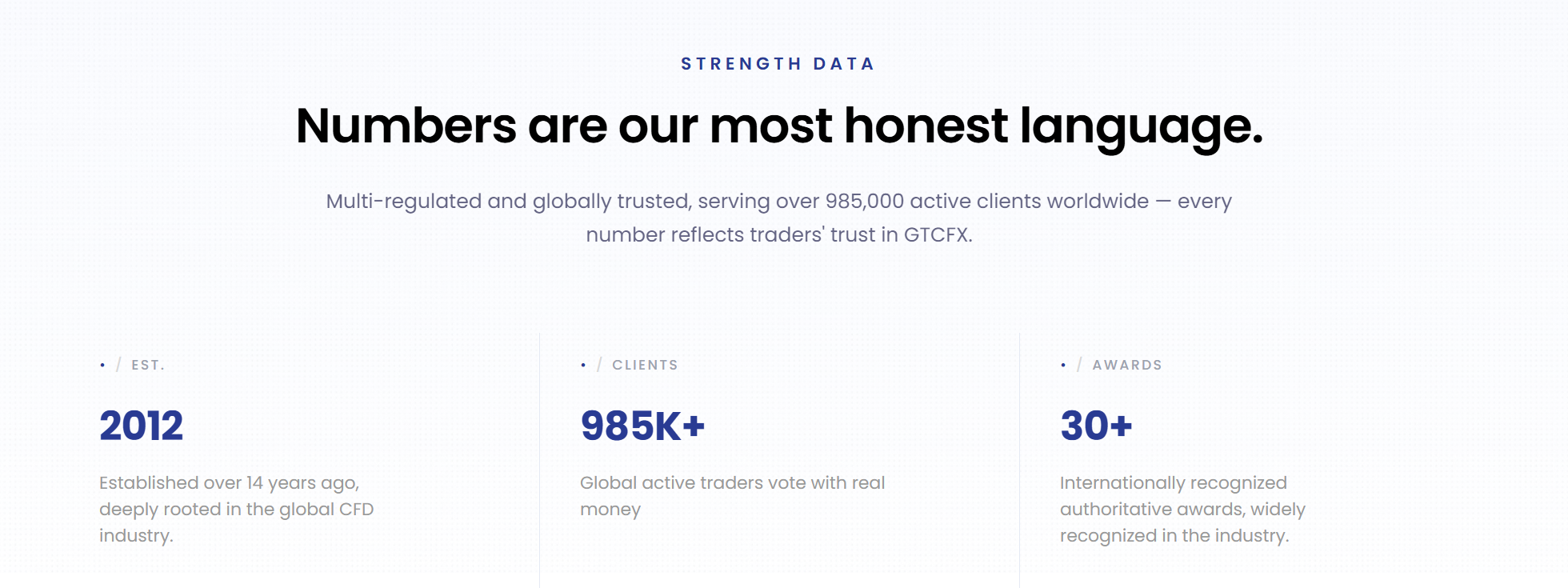
Execution is not an afterthought; it’s a measurable driver of portfolio outcomes that you can benchmark and manage. For institutional teams deciding between providers, the right choice combines robust liquidity partnerships, transparent reporting and operational discipline — and that is the exact value proposition offered by GTCFX. —
