


Comparative lead — why this matters for your refrigerated trucks
Think of this as a warm, practical conversation about two tools that look similar at first glance but behave very differently when temperatures drop and delivery windows tighten. For teams focused on cold chain fleet management, the choice between an AI-enabled MDVR and a conventional Mobile Digital Video Recorder changes how you detect problems, protect loads, and prove compliance. I’ve spent years helping fleets choose systems that work with temperature-sensitive cargo, and I’ll compare the systems so you can see which fits your operations without extra fluff. Also worth noting: many operators pair these recorders with broader cold chain solutions to close the gap between visibility and action.
What the tech actually does — side-by-side
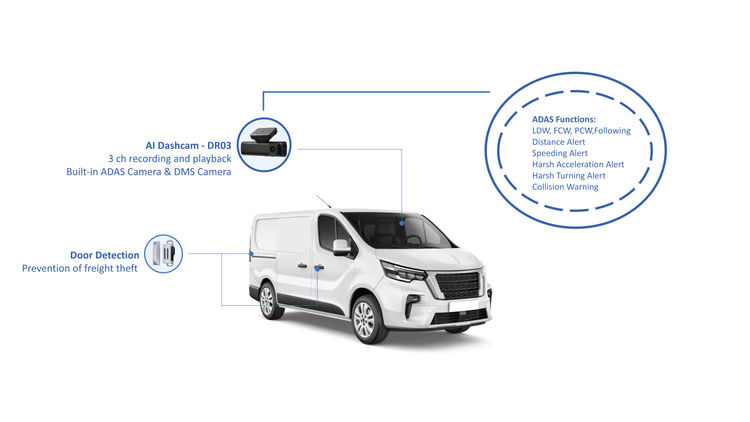
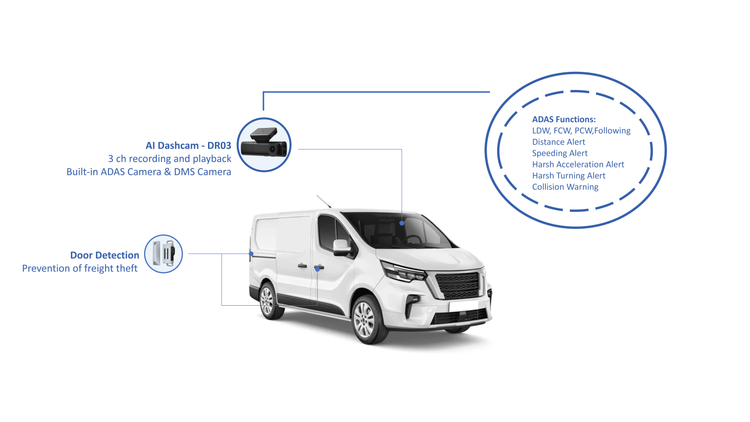
At the most basic level, both record video from vehicles. The differences matter when you look at processing, alerts, and how data is used in real time.- AI MDVR: on-board analytics that analyze video streams, flag risky behavior (hard braking, tailgating), detect cargo door events, and prioritize clips for review.- Mobile DVR: records continuously or on trigger, stores footage, and relies on manual review to find incidents.The AI box thinks while it records. The DVR listens quietly until someone asks it to speak.
Operational impact for cold-chain runs
Cold-chain fleets need instant clarity when a refrigeration alarm trips or a trailer door opens unexpectedly. AI MDVRs can correlate temperature events with camera footage automatically, saving hours of search time and reducing spoilage risk. A quick, concrete anchor: many refrigerated operators routing through the Port of Rotterdam use integrated telematics because the port’s inspection cadence punishes slow incident response—so faster evidence matters. For daily operations, that difference shows up as:- Faster incident verification.- Reduced dwell time at checkpoints.- Clearer records for claims and audits.

Data flow, bandwidth and storage — practical trade-offs
Expect these trade-offs:- Bandwidth: AI MDVRs send metadata and prioritized clips, not every second of footage; good when cellular costs are sensitive. Mobile DVRs often require bulk upload after a run.- Storage: AI systems trim what you keep. DVRs accumulate vast archives unless you manage retention aggressively.- Privacy and compliance: AI features (face detection, behavioral analytics) raise policy considerations; DVRs are simpler but less useful for proactive risk reduction.
Installation, maintenance and user skill
Install complexity isn’t just physical cabling. AI systems need configuration—defining what events merit alerts, tuning thresholds—and someone must monitor alerts. Mobile DVRs are straightforward: mount, power, record. Common mistakes:- Treating AI as plug-and-play. It needs tuning to match driving styles and cargo types.- Underestimating cellular needs for timely clip transfer.- Assuming stored footage replaces temperature logs; they complement each other, they don’t replace one another.
When to choose which — practical recommendations
Match the tool to the problem.- Choose AI MDVR if you need real-time incident detection, quicker investigations, and lower manual review hours. Best for high-value perishables and tight delivery windows.- Choose Mobile DVR if your priority is simple, robust recording with minimal configuration, and if you have staff dedicated to periodic review.Consider hybrid approaches: AI-enabled front-of-truck cameras with archival DVRs on trailers for long-haul runs.
Alternatives and vendor considerations
Beyond the two camps, look at:- Cloud-first video platforms that centralize clips and integrate with temperature telematics.- Edge-first AI that keeps sensitive processing local and sends only summaries.When vetting vendors, ask for demonstrated cold-chain deployments, sample integrations with temperature sensors, and a clear policy on data retention. Avoid long, vague contracts; prefer milestones where the system proves its value within a defined pilot.
Common pitfalls and how to avoid them
Don’t buy features you won’t use. Don’t skip a pilot. Don’t assume alerts equal solved problems. Run a short field test on representative routes, verify alert relevance, and map how footage ties to temperature events and driver workflow. That discipline prevents wasted spend and wasted trust.
Warm conclusion with a clear balance
If you want quicker answers during a temperature excursion, AI MDVRs shorten the path from alarm to evidence. If you want simple, reliable recording with minimal change management, mobile DVRs keep things sane. Either way, the goal is the same: protect product, simplify investigations, and keep drivers supported. For many operators the most effective path blends systems and partners that understand refrigerated transport—partners like BSJ that bring device, telematics and process experience together so your cameras and sensors tell the same story.
