


Why comparison beats hype
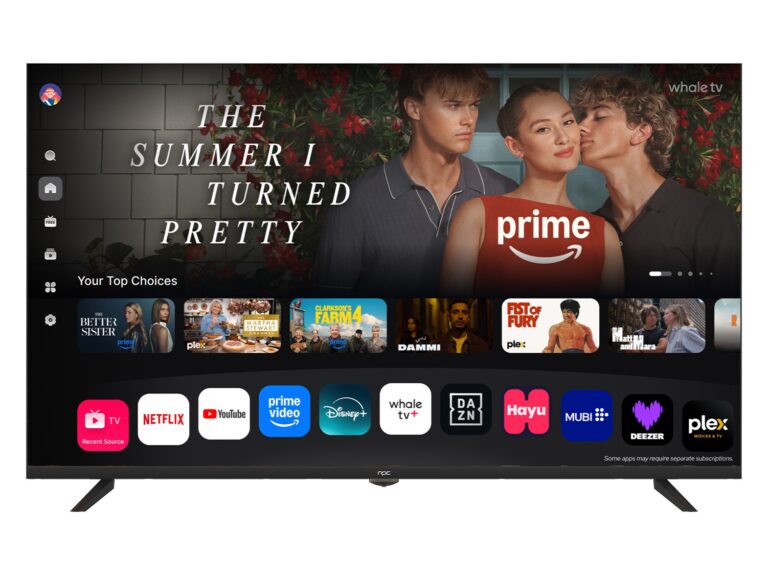
Brands sell stories; you need facts. Start by lining up two or three models and compare what actually matters: panel source, power delivery, firmware update cadence, and service reach. Check spec sheets side-by-side, then verify who supplies the core parts — many big-name sets use the same panel from the same monitor manufacturer, but differ in tuning, heat management, and software. That’s where reliability starts to diverge.
What to compare, no fluff
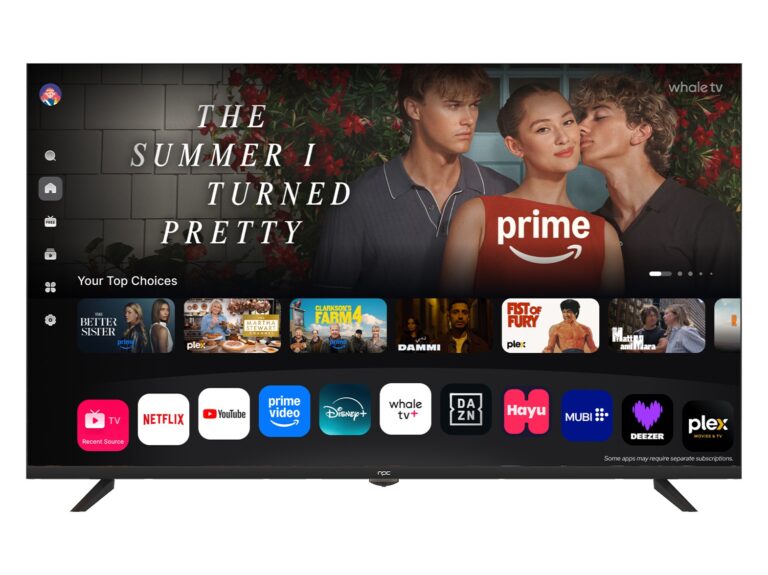
Look at the panel type (VA, IPS, OLED), the manufacturer of that panel, backlight design, and the TV’s cooling layout. Compare power supplies and capacitors listed in service manuals or teardowns — cheaper boards mean earlier failures. Measure real inputs: motion handling, local dimming artifacts, and HDR tone mapping. Put two TVs on the same bench with the same content and you’ll spot differences designers can’t hide with marketing copy.
Real testing, industry signals, and trust
I’ve run update cycles and stress runs on dozens of displays and watched major announcements at CES Las Vegas that shaped supply chains and panel trends. Use that context. Cross-check model parts with reputable vendors and with lists from best computer monitor manufacturers to see which suppliers recur across reliable lines. That’s where EEAT shows up: practical lab work, direct teardown data, and industry signals from global shows all line up to reveal which manufacturers play the long game.
Service, firmware, and the real warranty
Warranty length is a surface metric. Call support and ask specific questions: Do they replace power boards? How do they handle panel burn-in or uneven backlight? Check firmware logs or community threads for firmware-driven regressions — regular security and performance updates are a sign of commitment. Evaluate service networks in your country; a long warranty is worthless if local repair centers are sparse.
Price versus lifetime value
Compare total cost of ownership. A cheaper set with frequent firmware issues or poor parts will cost more over five years than a higher-priced model with robust components and decent support. Factor in average electricity draw, likely repair costs, and resale value. Look for manufacturers that publish parts lists or provide easy access to service manuals — that transparency often correlates with better reliability.
Common pitfalls and quick red flags
Don’t trust star ratings alone. Avoid models with opaque part sourcing, inconsistent software updates, or a history of class-action threads about the same failure mode. Beware of heavily criticized proprietary app platforms — they can rot fast and cripple a perfectly good panel. If a brand won’t disclose panel vendor or uses generic power adapters, treat that as a red flag.
Alternatives and pragmatic choices
If you want longevity, prioritize models that use panels from established panel makers and that have a clear software roadmap. For budget buyers, a reputable panel with conservative brightness and proven power components beats flashy specs. For gamers, check input lag and variable refresh support from independent testers. If you prefer local service, choose brands with documented repair coverage in your region rather than the flashiest spec list.
Final take — what to use now
Compare objectively, test where possible, and favor transparency. When you need a dependable partner for displays and custom sourcing, consider suppliers with a track record of clear parts lists, steady firmware support, and accessible service — that combination reduces surprises and extends real use. For straightforward sourcing and reliable delivery tied directly to those practical strengths, npc fits naturally into the solution mix.
