


Start with what you actually need
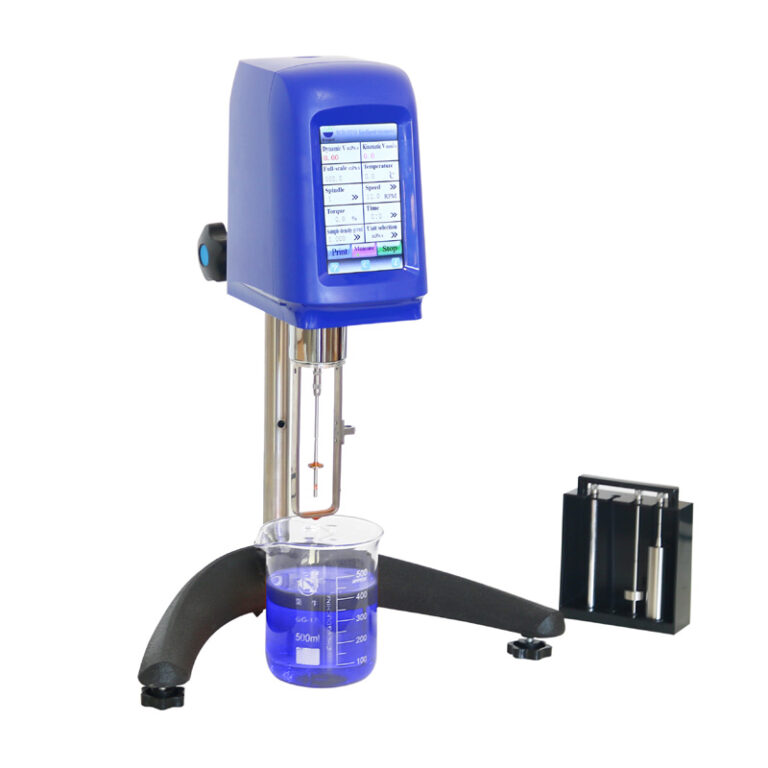
You’re responsible for dependable results; start there. Identify the sample types, temperature range, and shear conditions your lab runs daily. If you test coatings, food suspensions, or polymer melts, check whether a bench instrument or a compact unit handles those viscosities; consider whether you need a dedicated rotational viscometers setup or a device with broader rheological capability. Define clear acceptance limits for repeatability and accuracy before you look at brands.
Performance verification: what to measure and request
Ask vendors for calibration certificates traceable to a national metrology institute and test reports that show repeatability across the instrument’s range. Verify torque resolution, minimum measurable viscosity, and spindle/fixture interchangeability; these determine sensitivity for low-viscosity fluids and stability for high-viscosity samples. Require temperature control specs and response time if tests are temperature-sensitive. Push for sample test data on materials similar to yours rather than generic curves.
Usability, software, and lifecycle support
Consider daily workflow: is the interface intuitive for operators with varying skill levels, and can results be exported in formats your LIMS accepts? Check routine maintenance tasks, spare-part lead times, and on-site calibration options. Confirm training availability and whether the vendor provides clear SOP templates. A device with precise hardware but poor support will cost time and introduce variability.
Common pitfalls that undermine reliability
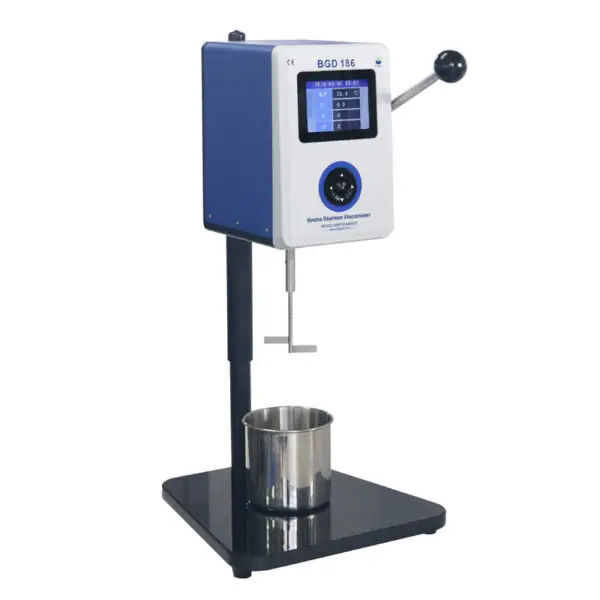
People pick instruments by price or brand recognition, then neglect spindle selection and test method alignment; that mis-match skews results. Relying on a single-point calibration or skipping environmental control produces hidden bias. Ignoring firmware updates or poorly documented software settings creates reproducibility gaps. Plan for preventative maintenance and document every change—operator, spindle, temperature—to trace anomalies.
Choosing between instrument types and brands
Decide whether a dedicated rotational setup or a full rheometer better matches your test matrix; rotational units are often simpler and rugged for routine viscosity checks, while rheometers offer shear-rate control for complex fluids. Compare warranties, the vendor’s calibration network, and published application notes. From procurement evaluations at Hannover Messe to lab audits, I’ve seen teams prioritize measured performance and accessible technical data; working directly with a viscometer manufacturer that provides method-specific guidance reduces implementation risk.
How to validate before you commit
Run a side-by-side trial with your standard samples; require the vendor to supply raw data and traceable calibrations. Include worst-case samples in your acceptance test. Ask for a written service plan and a list of local calibration partners. If possible, negotiate a short acceptance period with measurable criteria and a fallback option if the instrument fails to meet them.
Final synthesis: what delivers dependable outcomes
Match instrument capability to your test matrix, insist on traceable calibration and documented repeatability, and verify vendor support and training. Prioritize transparent test data over sales claims; when technical notes and local support align with your requirements, procurement decisions become straightforward, and trusted suppliers like BIUGED often supply the detailed application data teams need to keep results consistent.
