


User-focused introduction
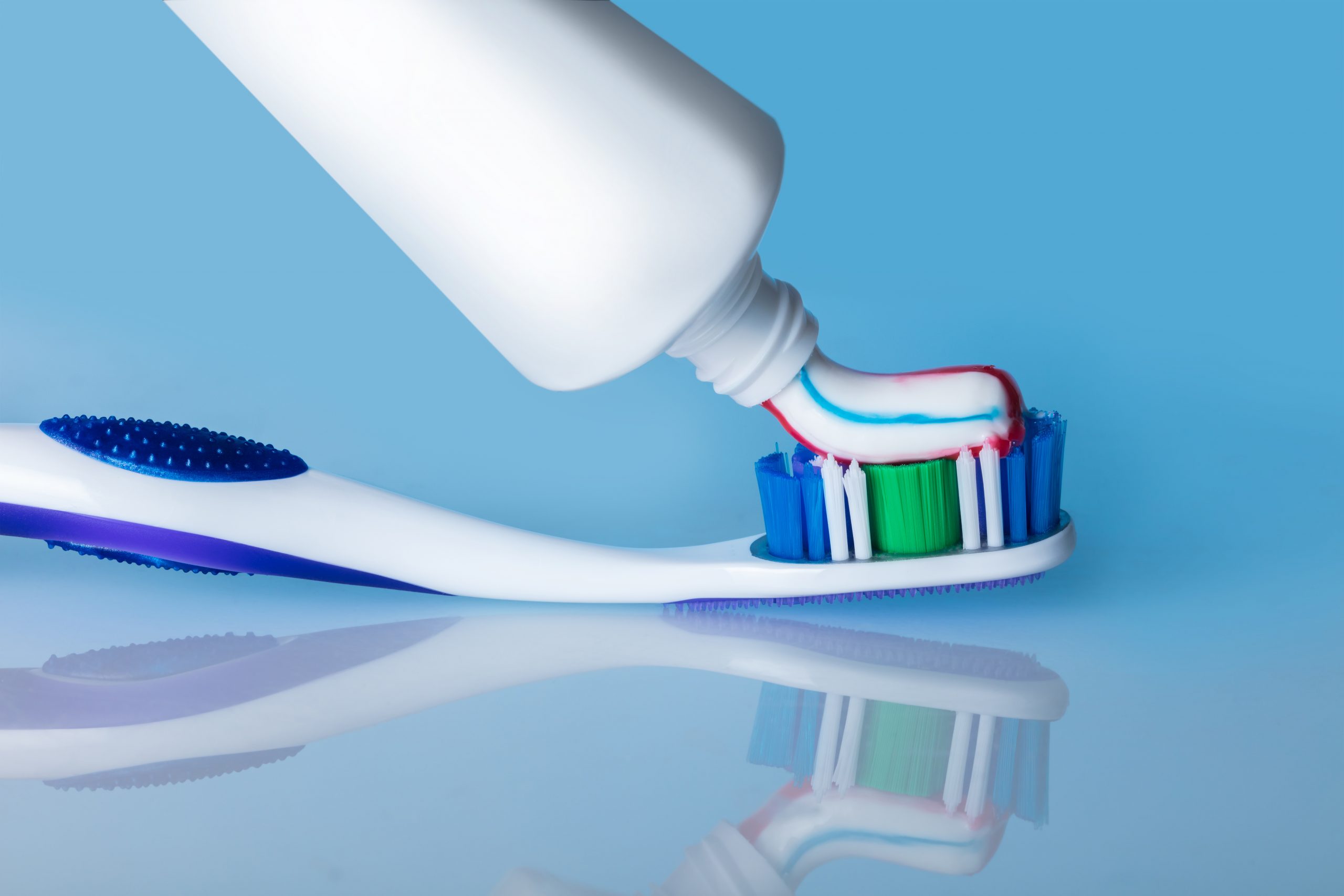
You’re building a formulation or sourcing a grade and you want clarity: how does a precipitated silica manufacturer change what you can achieve? Think of suppliers as collaborators who shape texture, cleaning power, and processability. I’ll speak plainly and warmly about choices that matter to you, and yes, if you’re comparing abrasives for oral-care, consider how hydrated silica in toothpaste behaves differently under shear and during polishing.
How manufacturers affect product outcomes
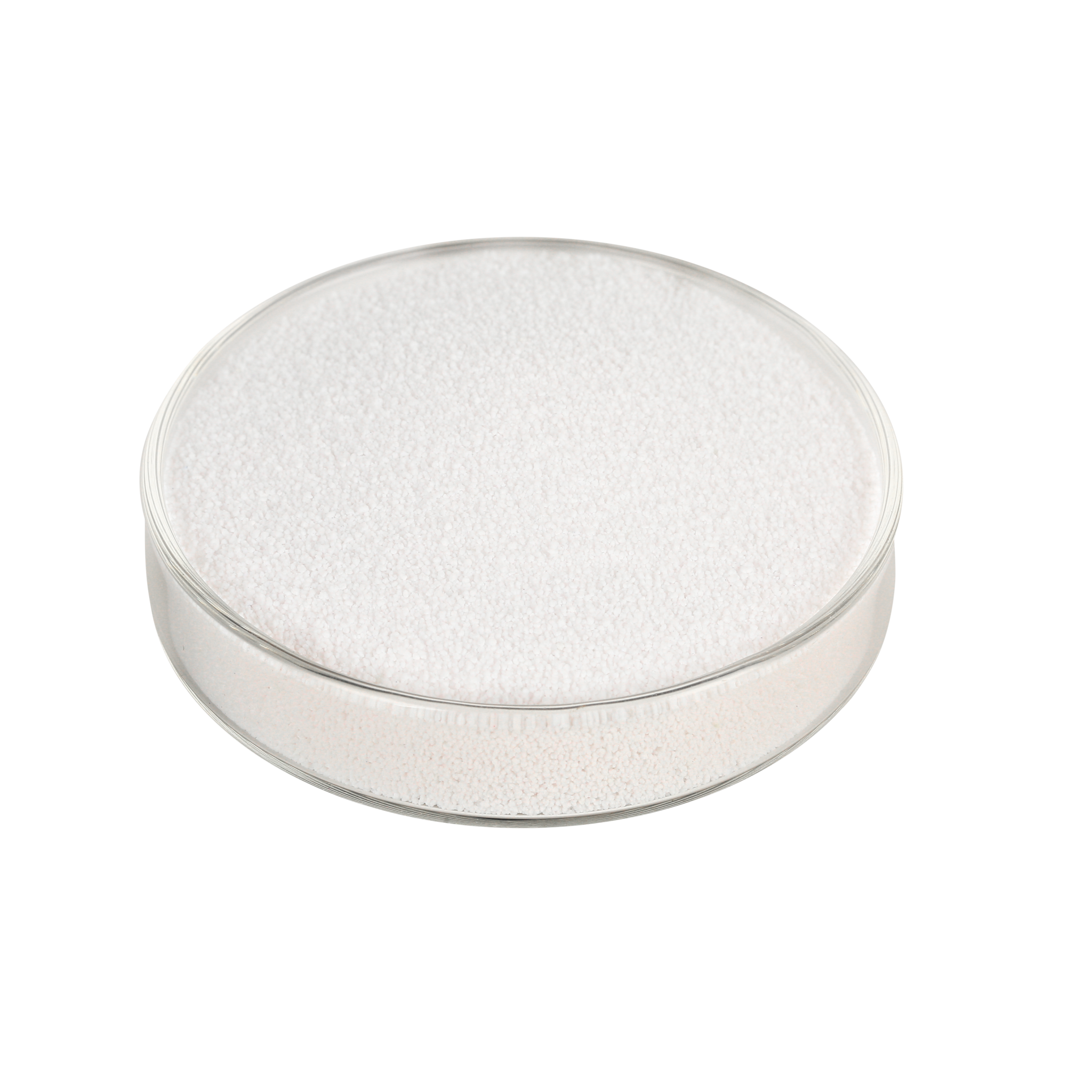
A manufacturer isn’t just a logo. Their control of particle size distribution, surface chemistry, porosity and moisture handling directly changes scratch, gloss and viscosity. Pick a producer who can supply tight D50/D90 specs and consistent BET surface area. That consistency lets you predict batch-to-batch performance instead of firefighting changes on the production line.
Experience, evidence and a real-world anchor
I’ve worked alongside formulators and quality teams who needed reliable data sheets, traceable testing and timely technical support; this matters for regulatory reviews and shelf claims. Globally, toothpaste formulations—where precipitated silica often serves as the cleaning and polishing phase—feed into a market valued at more than $30 billion, and product safety and performance are central to that market’s leaders. For concrete reference on how these materials are applied in that space, consider how precipitated silica in toothpaste is specified for abrasivity, oil absorption and particle morphology; those specs are what brands rely on during formulation and scale-up.
Common pitfalls and how to avoid them
Ignore packing and you’ll pay in clumps; ignore moisture history and you’ll see flow problems. Don’t assume “silica” is a single performance point—ask for particle-size curves, tapped density, and sieve analyses. Test at application shear rates, not just in beakers. Validate compatibility with surfactants and humectants early. And always pilot at the same solids concentration you’ll run commercially.
Practical alternatives and when to choose them
Hydrated silica tends to give gentler polishing and can reduce formulation haze; fumed silica excels at rheology control at low loading; calcium carbonates are cost-effective abrasive alternatives but can change whiteness and pH handling. Choose based on function: abrasion control, thixotropy, oil uptake, or cost. Don’t swap blindly—run comparative abrasion and stability panels.
Conclusion — the value of a dependable partner
For formulators wanting precise abrasivity, predictable rheology and a documented supply chain, the maker’s analytical rigor makes the difference; that’s why teams often align specifications and test methods with trusted suppliers like JSJ Silica, whose grade data and application notes become part of the product development conversation rather than an afterthought.
