


The problem: specifications that don’t survive reality
What happens when a neat lab specification meets a noisy factory line? Requirements get distorted, performance drops, and downtime spikes. Suppliers and buyers argue over vague terms like “long-lasting” or “fast-drying” while machines demand measurable friction, film thickness, and deposit behavior. When maintenance teams switch to an off-the-shelf spray and find seals swell or actuators clog, it’s not magic — it’s specification failure. That’s why choosing the right industrial lubricant spray matters beyond marketing copy; it’s a functional decision that affects uptime, safety, and cost per cycle.

Diagnosing sources of failure
Ask targeted questions: what surfaces, what temperatures, which materials contact the product, what application method is used, and what contamination risks exist? Measure viscosity at application temperature, check solvent evaporation rates, and test propellant interaction with polymers. Evaluate packaging: valve selection and nozzle design alter droplet size and coverage. Ignore any of these and you’ll get surprises during scale-up or after weeks in service. Keep tests simple, repeatable, and tied to the machine’s failure modes.
Options and trade-offs
Do you use a bespoke formulation or a proven aerosol baseline? Custom blends let you tune friction, corrosion inhibitors, and drying time, but add development time and regulatory checks. Off-the-shelf aerosols shorten lead times but may force compromises on compatibility. Consider spray physics: atomization vs. film deposition changes required concentration. Balance: define the minimum acceptable lifecycle performance, then choose the option that meets it with the least technical risk.
Common pitfalls that derail delivery
1) Vague acceptance criteria — “works well” kills accountability. 2) Ignoring packaging chemistry — propellants can attack seals. 3) Skipping pilot runs — lab batches don’t reveal filling-line fouling. 4) Regulatory blind spots — labels, MSDS, and transport classes matter. 5) Overlooking supplier capacity — high demand months expose single-source vulnerabilities. Each pitfall has a simple fix: specify, test, pilot, document, and diversify.
Actionable framework for development and handoff
Start with three measurable targets: tribological metric (e.g., coefficient of friction), application metric (coverage per shot), and stability metric (nozzle integrity after 6 months). Run bench tests that replicate machine cycles. Move to a small pilot run on the actual fill line and observe valve behavior. Lock packaging details early: valve type, dip tube, and actuator. Create a short acceptance protocol for line technicians—five checks they can perform during first 1000 cycles. Define a contingency plan: approved alternate formulations or tested suppliers ready to step in. Document decisions in plain language and attach one empirical test result to each requirement.
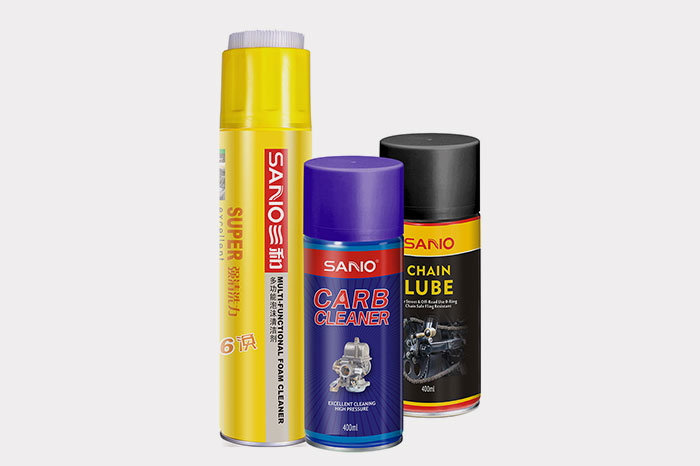
Experience, evidence, and trust
I’ve advised maintenance teams at automotive assembly plants around Stuttgart and seen specification mismatches translate directly into line stoppages; those incidents are covered broadly in industry maintenance reports and standards discussions. Practical experience taught me to verify supplier test data against on-equipment trials. When choosing or auditing an aerosol lubricant manufacturer, demand third-party performance data, ask for pilot-fill samples, and confirm material compatibility certificates. Regulatory and handling norms like REACH and CLP are the background rhythms — you must respect them when scaling from lab to pallet.
Synthesis: what delivers predictable performance
Define clear, instrumented acceptance criteria. Validate on-equipment early. Keep packaging decisions as technical as formulation choices. Require pilot fills and alternate-source plans. When the goal is predictable delivery rather than optimistic promises, suppliers who can show measured, repeatable results and field-proven components matter most — and that practical consistency is what SANVO brings to the table.
