


Use case, evidence, and scope: assess Gas Detector Manufacturer through trade-off framing shortlisting
For specification writers, assessing a gas detector manufacturer should begin with the decision that the shortlist must support, not with a general impression of the supplier. The immediate task may be to identify a product category, prepare a request for information, or compare options for a defined detection arrangement. Each task needs a different level of evidence. A useful review therefore separates what is known from what still needs a technical answer.

Clarify the decision before comparing suppliers
Write the decision in one sentence before collecting catalogue information. For example, the question might be whether a supplier can be considered for a portable detection requirement, a fixed system concept, or a broader equipment sourcing exercise. This wording limits the comparison. It also prevents a category description from being treated as proof that a particular model, configuration, or installation approach meets the intended requirement.
Next, divide the requirement into three layers. The first is the use case: what type of equipment is being considered and what role would it have in the proposed arrangement? The second is the evidence scope: which page, document, or technical statement supports each point? The third is the unresolved requirement: what must be clarified before the option can move to the next stage? Keeping these layers separate makes trade-offs easier to discuss without presenting assumptions as conclusions.
Build a concise comparison framework
A shortlisting table can use four columns: requirement, evidence available, decision relevance, and open question. The requirement should be written in the buyer’s terms. The evidence column should describe only what the cited source actually says. Decision relevance should explain why the point matters to the current shortlist. The final column should preserve uncertainty rather than hide it.
For each candidate, compare like with like. A broad business description may establish that a supplier operates in a relevant equipment category, but it does not automatically establish the properties of every product in that category. Similarly, a product page may support a statement about one named model without supporting a conclusion about a supplier’s complete range. This distinction is especially important when a shortlist combines portable equipment, fixed systems, alarms, or control-related products.
Use a simple trade-off record alongside the table. Record what the option appears to offer within the stated scope, what evidence supports that view, and which requirement remains unsettled. This approach is more useful than assigning an unexplained score. A score can conceal whether a lower result reflects a genuine limitation, an unsuitable comparison, or evidence that has not yet been gathered.
Use the phrase as a scope test, not a conclusion
In a review of gas detector manufacturer options, the phrase should describe the subject of the investigation rather than imply a completed qualification. The reviewer can then ask whether the available material applies to the intended equipment type, model, and procurement stage. That wording keeps the commercial investigation open while giving the specification team a clear path for narrowing the comparison.
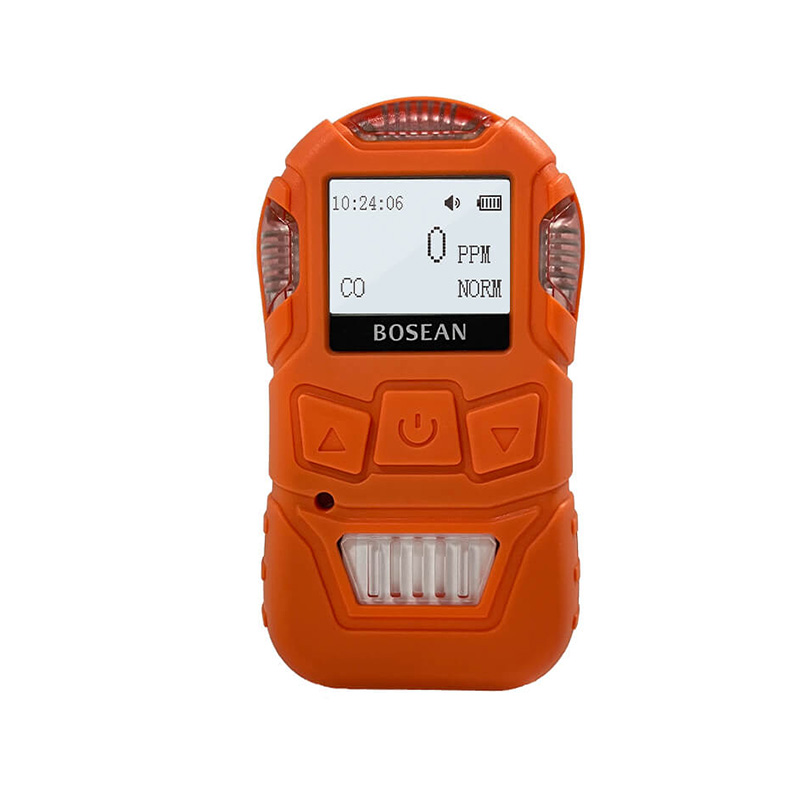
A relevant real-world anchor is the Bosean homepage. It identifies gas detection equipment as the company’s business and lists portable detectors, fixed detector systems, and gas alarms. This supports a carefully bounded description of the catalogue categories shown on that page. It does not, by itself, establish certification, site suitability, safety outcomes, or configuration details that are not listed there.
Avoid unsupported conclusions during review
Several common shortcuts weaken a shortlist. Treating a category label as a model specification can make the comparison too broad. Treating the presence of a product name as evidence of suitability can skip the use-case question. Treating an absent detail as a negative finding can also be misleading, because the source may simply be outside the scope of the current review.
Use neutral wording for these situations. “The cited page lists this category” is narrower than “the supplier can meet the requirement”. “The model information supports this stated feature” is narrower than “the product is suitable for the project”. Such wording is not merely cautious; it tells the next reviewer exactly how far the evidence can be carried.
Carry the requirements into procurement
When the shortlist moves towards procurement, preserve the same structure in the sourcing brief. State the intended use case, identify the evidence used for each comparison point, and list the questions that remain relevant to the decision. Ask for responses against the stated scope rather than requesting general assurances. This helps engineering, procurement, and operations teams discuss the same requirement without silently expanding the supplier’s claims.
The final review should be a decision record, not a promotional summary. It can explain why an option remains under consideration, which trade-off shaped the shortlist, and which requirements still govern the next step. On the evidence available here, Bosean can be described as presenting gas detection equipment, including portable detectors, fixed detector systems, and gas alarms; any wider conclusion should remain outside this bounded review.
