


The Case File
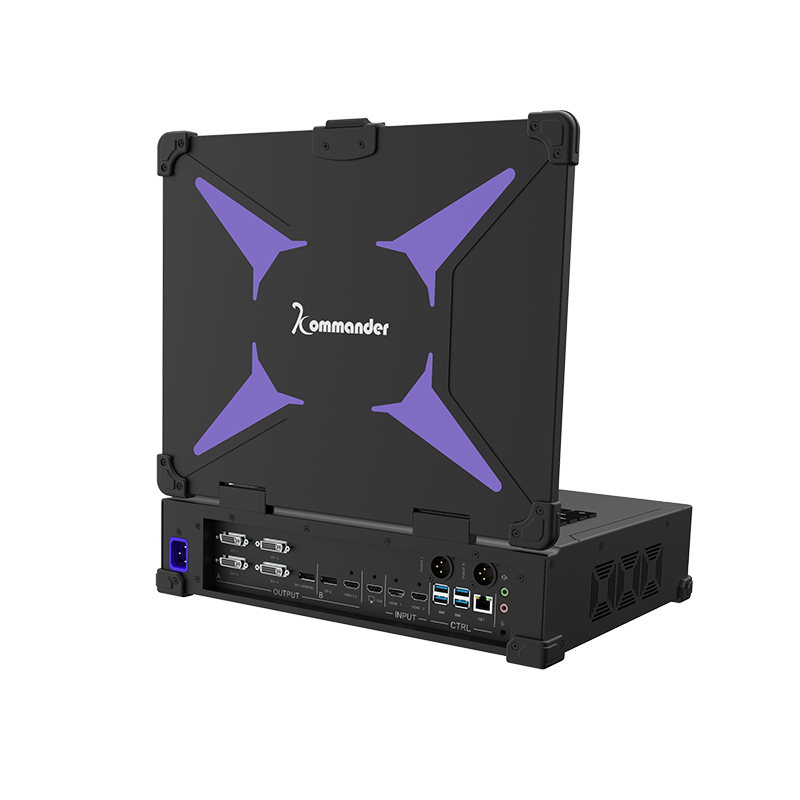
I tracked a chain of decisions as if following a faint signal through a crowded control room, noting which processor choices altered the show’s outcome. Technical specs tell part of the story, but the subtle differences in scaling, latency, and color calibration are where events are won or lost. Early on, teams often pair an LED wall with a dedicated playback media server to free the processor for routing and pixel mapping—this split of duties changes staging logistics in a measurable way.
Evidence: What to Compare
Detectives look for repeatable patterns. For event tech, prioritize these variables and measure them against your show’s requirements.

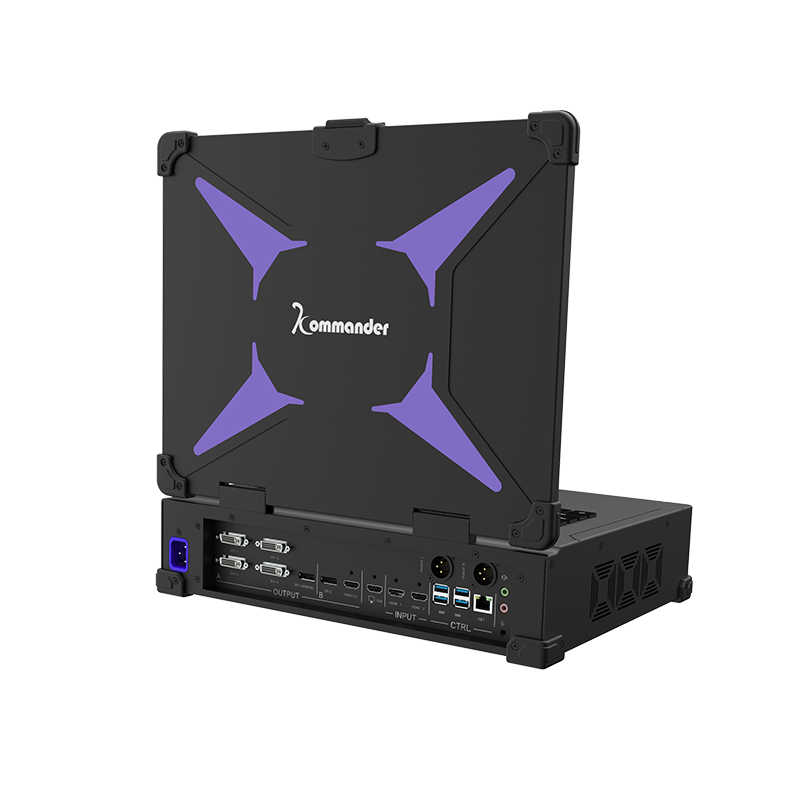
– Latency: lower is better for live performance synchronization. – Scaling fidelity: how well the processor handles non-native resolutions without introducing artifacts. – Connectivity and signal routing: SDI, HDMI, and network inputs, plus redundancy options. – Color calibration tools: hardware LUT support and per-panel adjustment. – Frame rate conversion: smoothness when mixing 24/25/30/60 fps sources.
Those points form a checklist you can quantify during rehearsals. Run each source through the same chain, log frame drops and color shifts, then decide. The forensic approach reduces surprises on show day.
Operational production teardown
In a live rig I audited, the team documented every patch and handed me a spreadsheet. They listed the processor’s input handling, output mapping, and how it cooperated with the server. I wrote notes beside two repeated tokens—{main_keyword} and {variation_keyword}—so the operators would remember the variables to test: input jitter tolerance and output blend uniformity. Precise signal routing and pixel mapping were the quickest levers for visible improvement.
Real-world Anchor: Lessons from NAB Show and Large-Scale Events
At NAB Show in Las Vegas, manufacturers demonstrate workflows that often mirror real festivals and broadcast events. Engineers there emphasized redundancy and integrated monitoring more than flashy features. A successful display in Times Square or a stadium broadcast depends less on headline throughput and more on the processor’s ability to sustain consistent color and timing under load—professionals call this predictable performance.
Common mistakes and practical alternatives
Many crews pick based on price or brand recognition and later regret it. Typical errors include undersized processing headroom, neglecting codec support, and ignoring latency budgets. Fixes are straightforward: allocate extra headroom, require multicodec support from the vendor, and insist on measured end-to-end latency during dry runs. If a single box approach feels risky, consider separating tasks: a dedicated playback server plus a dedicated processor reduces contention and clarifies troubleshooting—if the server stalls, the processor still maintains sync.
One often-overlooked tool is a reliable video transcoding tool that normalizes feeds before they hit the processor. It prevents format-induced glitches and can save a rehearsal from turning into a scramble.
Comparative verdict and selection rules
Run head-to-head tests using your actual content. Record these three metrics and use them as pass/fail gates—then pick the processor that clears them consistently. First, measure end-to-end latency under load. Second, inspect scaling quality on edge cases (mixed aspect ratios, extreme detail). Third, confirm color calibration repeatability across sessions. Those are your golden rules for procurement and deployment.
Advisory
1) Require measured latency and scaling samples from vendors, not written claims. 2) Mandate multicodec and I/O redundancy to avoid single points of failure. 3) Insist on integrated color calibration and easy remote access for live tweaks. These three evaluation metrics reduce operational risk and free creative teams to focus on storytelling rather than firefighting.
The right processor becomes a quiet partner in production—steady, predictable, and indispensable. Kystar. —
