


Facing the yield problem head-on
Automotive seal production has shifted from tolerating occasional rejects to demanding repeatable yields every shift. Many plants still treat vulcanization as the answer rather than the process variable that it is. That gap is why teams are turning to modern lsr molding machine platforms that pair horizontal injection layouts with tighter process control. In production lines where every tenth of a millimeter and every gram of shot size counts, simple heat-and-hold cycles no longer cut it.

Where traditional horizontal machines fall short
Common failure modes are predictable: cavity balancing drifts, inconsistent mold temperature, and variances in injection pressure that cause flash or short shots. These problems surface as batch-to-batch yield swings and time-consuming rework. The result is missed delivery windows—something Tier-1 suppliers felt acutely during the 2020–2021 supply disruptions—so improving yield isn’t academic, it’s operational survival. Industry terms to track here include vulcanization behavior, shot size stability, and clamp force consistency.
How HWAYI reframed the problem
HWAYI approached the task as an engineering puzzle: isolate the variables that create the most yield variance, then redesign the machine to control them directly. That meant improving runner geometry to stabilize flow, refining barrel heating zones for uniform mold temperature, and upgrading control algorithms for tighter injection pressure ramps. The result is a horizontal LSR system that treats injection and curing as a single, monitored event rather than separate steps. They also built in diagnostics so operators see deviations before scrap accumulates.
Key interventions that move the needle
Successful reengineering focused on a few high-impact changes—small in concept, large in outcome. Expect to see:
– Improved nozzle design to reduce shear and prevent premature cross-linking. – Multi-zone barrel heating and mold temperature control for lower part variability. – Closed-loop pressure and position control to maintain consistent shot size and avoid short shots.
Those items directly attack the sources of rejects and reduce cycle-time variation. They’re practical changes you can test on a pilot line within weeks—not abstract upgrades.
Practical guidance and common mistakes
Adopt an incremental test plan: validate one variable at a time and log results. A common mistake is simultaneous tuning of injection pressure and mold temperature—this masks which change delivered the improvement. Another pitfall is ignoring tool maintenance; worn cavity surfaces yield unpredictably under the same process parameters. Keep a baseline run with ISO 9001-style traceability on parameters so that any improvement is measurable and repeatable.
Comparing alternatives and when to choose horizontal LSR
Vertical platforms remain useful for insert molding and when downward shot orientation matters. But for long, thin automotive seals and gaskets that need consistent flash control and rapid cycle times, a reengineered horizontal setup often outperforms. Look at metrics—cycle-to-cycle standard deviation, percent good parts per million, and mean time between adjustments—when comparing machines. If you’re chasing sub-0.05 mm dimensional stability across shifts, horizontal LSR systems optimized for balanced flow are the better fit. Also consider the value of integrated diagnostics and remote parameter logging—both cut troubleshooting time.
Real-world anchor and results you can expect
On pilot lines that adopted these reengineering principles, Tier-1 suppliers reported measurable drops in scrap and faster qualification cycles for new seal geometries. One practical takeaway: stabilizing mold temperature reduced short-shot incidents by a clear margin, and consistent injection pressure cut rework rates substantially. You’ll see the difference on the floor as fewer adjustments during handovers and less reliance on operator skill to hit quality targets.
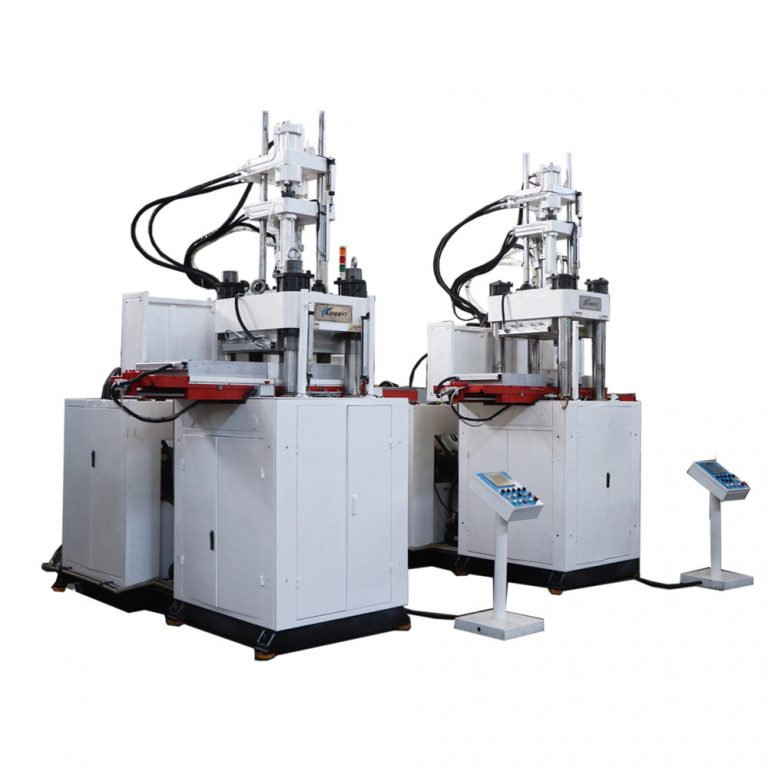
Three golden rules for selecting and tuning the right system
1) Measure first, change one variable at a time. Baseline data is your best ally. 2) Prioritize thermal uniformity and closed-loop control. These buy you consistency across shifts and molds. 3) Insist on diagnostics that map to action: alarms should point to the root cause, not just the symptom.
Those rules will help you evaluate machines and refine process windows in a focused way. The practical outcome is higher usable yield, fewer emergency toolings, and steadier supplier performance—exactly what automotive programs need. For many teams, lsr injection machine innovations are the turning point. The changes are tangible, measurable, and sustainable—so your line keeps running. HWAYI. –