

Why data matters when you rethink courier bag sourcing
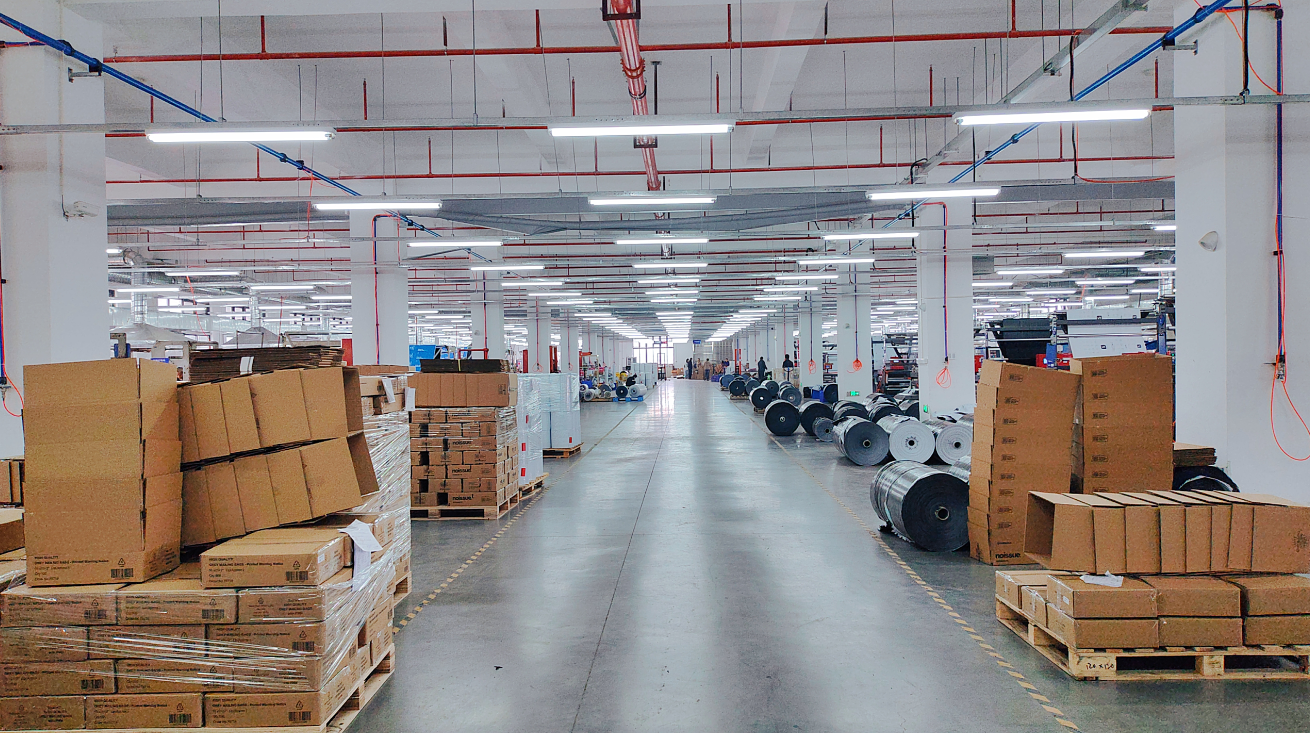
When brands say “sustainable supply chain,” they often mean well — but without numbers, intentions blur. A data-driven approach asks a specific question: how much carbon can I actually cut by sourcing bulk white courier bags locally instead of from distant hubs? This is where practical life cycle assessment (LCA) and shipping analysis replace slogans. If you’re comparing suppliers, start with grounded inputs: material origin, manufacturing energy mix, shipment mode, and order cadence. For manufacturers and logistics teams, working with a reputable poly mailer manufacturer provides reliable baseline data for those calculations.
Key variables in a simple model
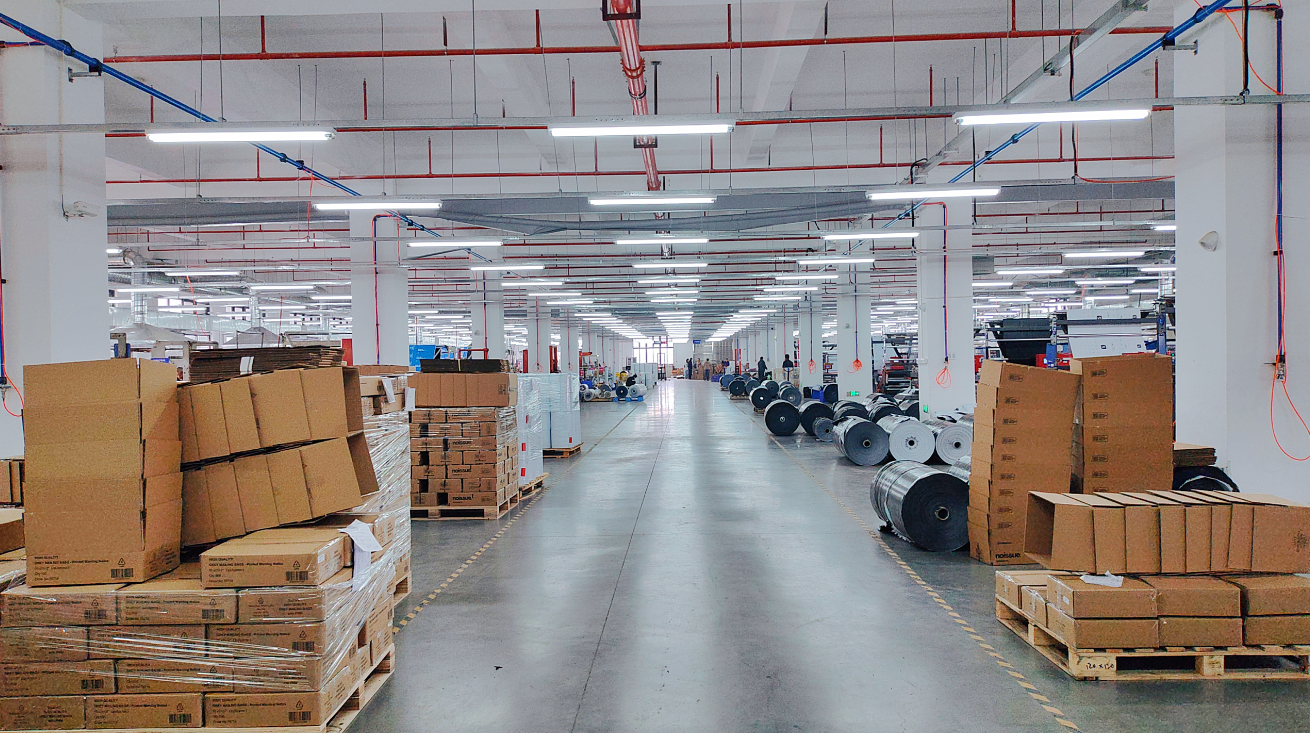
To keep analysis usable, isolate three variables: transport emissions per ton-km, production emissions per unit, and return-frequency or inventory buffer. Together they feed into scope 3 emissions estimates for most brands. Use freight consolidation and modal shift (road vs rail vs sea) as levers in the model. A focused LCA that measures cradle-to-door impacts will usually reveal whether localized sourcing delivers meaningful carbon reductions or merely shifts emissions upstream.
A real-world anchor: ports, policy, and recent lessons
Look to the Port of Los Angeles bottlenecks during the 2021–2022 shipping surge — they taught many companies that long lead times and stacked containers don’t just cost money, they inflate on-hand emissions from storage and rerouting. Similarly, international policy signals from COP26 emphasized supply-chain decarbonization as a corporate priority. These events remind us that localized sourcing can reduce transit-related emissions and risk exposure. But the magnitude depends on the freight mix and the manufacturing footprint at the chosen local site.
Comparing scenarios: centralized bulk vs localized bulk
Run two simple scenarios. Scenario A: centralized production overseas, full-container shipments to distribution centers, then last-mile fulfillment. Scenario B: regional production, smaller but more frequent truckloads to nearby hubs. On raw numbers, Scenario B often reduces long-haul sea and air legs — and thus the carbon footprint per bag — but it can increase per-unit production emissions if the regional plant uses a dirtier energy mix. The trade-off is clear: lower transport emissions versus potential higher manufacturing emissions. You need both LCA outputs and transport emission factors to decide.
Operational levers that actually move the needle
Three operational levers usually yield measurable improvements: freight consolidation, modal shift, and order smoothing. Consolidation reduces per-unit transport emissions by filling containers efficiently. Modal shifts — for example, moving from air to rail where possible — cut carbon dramatically. Order smoothing reduces rush shipments and guarantees fuller loads. None of these are glamorous. They ask for coordination between procurement, warehousing, and suppliers — and for honest data sharing with your mailer bag manufacturer.
Common mistakes procurement teams make
Teams often miscount the carbon cost of partial shipments, overlook return logistics, or assume that nearshoring always reduces emissions. They also forget that smaller regional runs can raise packaging waste if not optimized — a paradox worth noting. Don’t ignore tooling and minimum order quantity constraints either; they can force larger inventories that offset transport savings. In practice, the right choice is rarely purely local or purely global — it’s about aligning production cadence with demand smoothing and energy sources. —
How to test decisions without overcommitting
Pilot a split-sourcing strategy on a single SKU. Run the LCA for both supply routes, track actual freight emissions, and measure lead time variance. Maintain consistent QA and closure on first-article inspections so differences in returns don’t mask true carbon outcomes. Use freight documentation (bill of lading, carrier emissions factors) rather than estimates where possible — real operational data beats assumptions every time.
Three golden rules for evaluating localized sourcing (Advisory)
1) Measure total-system emissions: include production energy, transport legs, inventory storage, and returns. Don’t stop at port-to-warehouse numbers. 2) Prioritize modal shift and consolidation: a fuller rail or sea load often beats marginal production-site improvements. 3) Validate with pilots: run a controlled split-sourcing test for 3–6 months, then scale based on empirical delta in emissions and cost.
These rules lead you to decisions that are defensible and actionable. For many companies, the simplest path to measurable carbon reduction lies in transparent partnerships with suppliers who can provide consistent LCA inputs — and that operational clarity is a core strength of WH Packing. —