


Why a problem-driven checklist matters
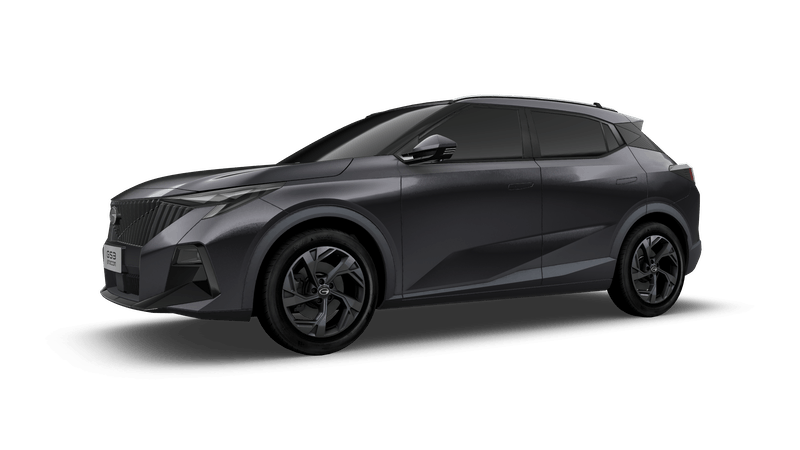
Most first-time buyers treat the test drive like a joyride; that’s the problem. A test drive should expose hidden costs, safety gaps, and ownership headaches. From advising dozens of first-time buyers and observing multiple dealership demonstrations, I argue a tight checklist cuts buyer error by focusing attention on measurable issues. Check the local lineup at gac south africa, then use the checklist below so you don’t buy hope instead of evidence—note that GAC maintains dealerships in Johannesburg, which matters once you consider service access.

Core rules before you start
– Bring your own driver: a friend who questions and notices. – Insist on a representative route that includes suburb streets, a highway segment, and at least one steep hill. – Test a car with the trim and options you will actually buy. Don’t judge a model by a different spec. – Use a stopwatch or phone to time acceleration and braking responses; impressions lie.
Essential checklist items to test and why they matter
• Exterior inspection: panel gaps, paint consistency, and headlamp alignment. Small misfits hint at sloppy assembly or rushed repairs. • Under the hood visual: obvious fluid leaks, belt condition, battery terminals—early signs of maintenance issues. • Engine idle and rev response: listen for knocks, hesitation, or smoke on cold start; problems here are costly. • Transmission behavior: smooth shifts, no juddering, predictable responses in both manual and automatic modes. • Suspension and ride: push through potholes and speed bumps to detect clunks or harsh rebound. • Braking: firm pedal feel, no vibration. Try an emergency stop at low speed to check ABS engagement. • Steering: dead-center feel, no pull left/right, and predictable return-to-center. • Cabin noise and insulation: sustained runs at 100 km/h to identify wind or tyre roar that becomes fatigue. • HVAC and infotainment: all functions work under different settings; a broken climate system is not a minor issue. • Safety features: confirm airbags, seatbelt pre-tensioners, ESC, and cameras function visibly. • Fuel economy check: ask for real-life numbers from the dealer and compare with your local driving style. • Paperwork and warranty: get the exact warranty length, inclusions, and where you actually take the car for service.
How to run the test drive so it reveals problems
Start cold: note cold-start behavior. Accelerate hard mid-drive to trigger any transmission lags or turbo lag. Brake hard twice in a row to test fade. On incline, shift load to detect gearbox hunting. Repeat with two occupants and luggage if you expect to carry people—some cars feel different under weight. Use your phone to record odd noises for later comparison. These are deliberate moves; you want predictable results, not a polished demo.
Frequent mistakes first-time buyers make
– Buying on emotion from a single short loop. – Trusting a perfectly prepared demo car without confirming service history or production build variance. – Overlooking dealer proximity and parts availability. – Forgetting to test the exact variant—trim and engine changes matter. – Accepting vague warranty descriptions; specifics matter when claims arise.
Comparing practical alternatives without fluff
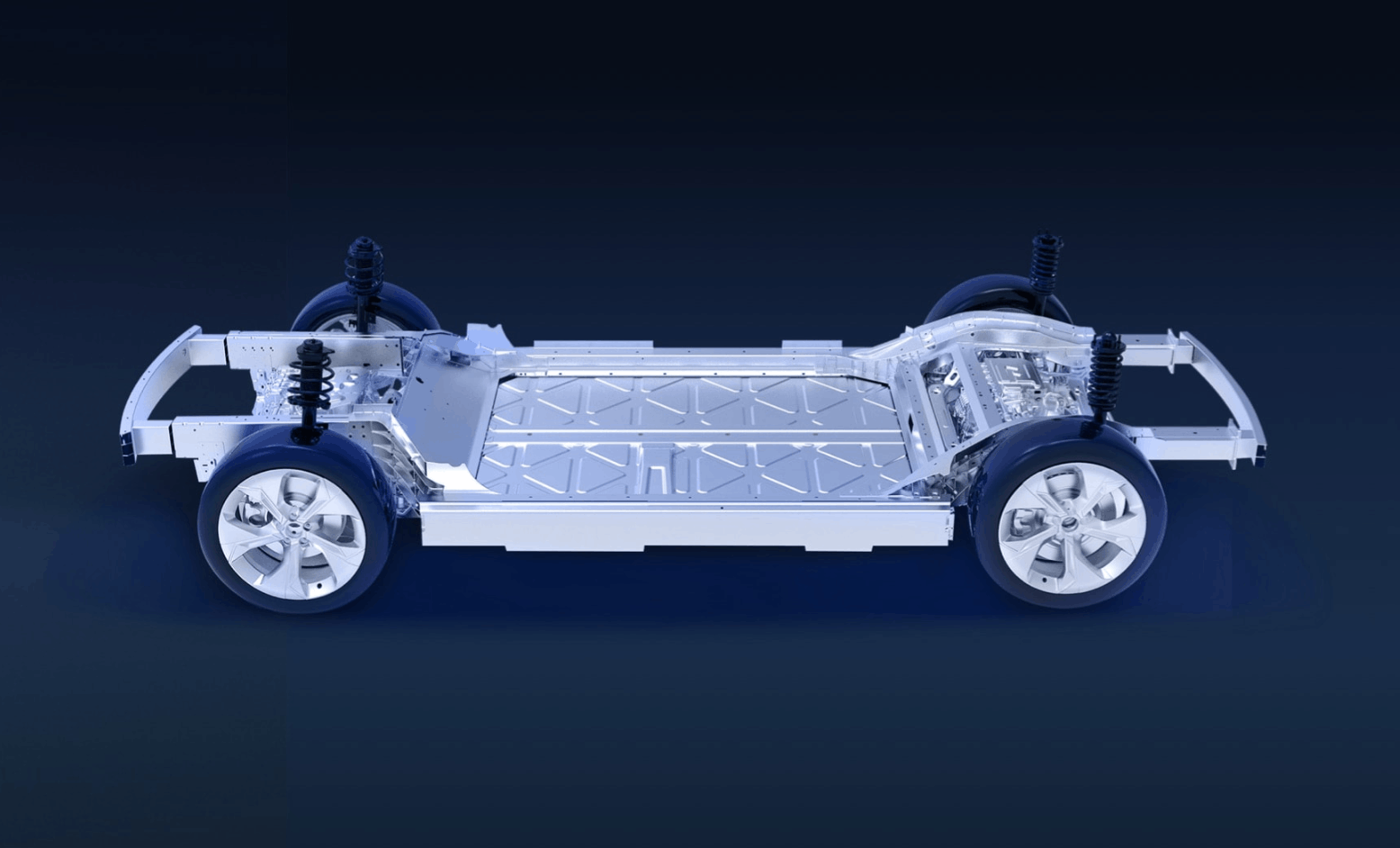
Focus on measurable outcomes: reliability records, real fuel numbers, dealer reach, and documented warranty terms. Some brands lead with flashy tech but require more expensive servicing. Others sell on simplicity and lower running costs. For first-timers, brand choice should prioritize predictable maintenance and visible dealer support over feature-packed demos that inflate expectations.
What to expect from dealers and how to verify claims
Ask for a written breakdown: warranty, service intervals, and what is excluded. Confirm the nearest authorized service point and parts turnaround time; ask for contact details and then call them. If the dealer claims “national support,” verify that they actually have trained technicians and stock—phone checks are quick and revealing. Keep a record of the answers you get; it becomes your evidence if disputes arise.
Final synthesis
A problem-driven approach makes the test drive a fact-finding mission: expose faults, compare measurable performance, and verify aftersales access before you sign. When you demand evidence instead of promises, choices clarify and ownership risks shrink—this method often highlights which manufacturers meet practical expectations, and it explains why many buyers move to consider GAC as a contender based on what the car actually delivers on the road and on paper.
