


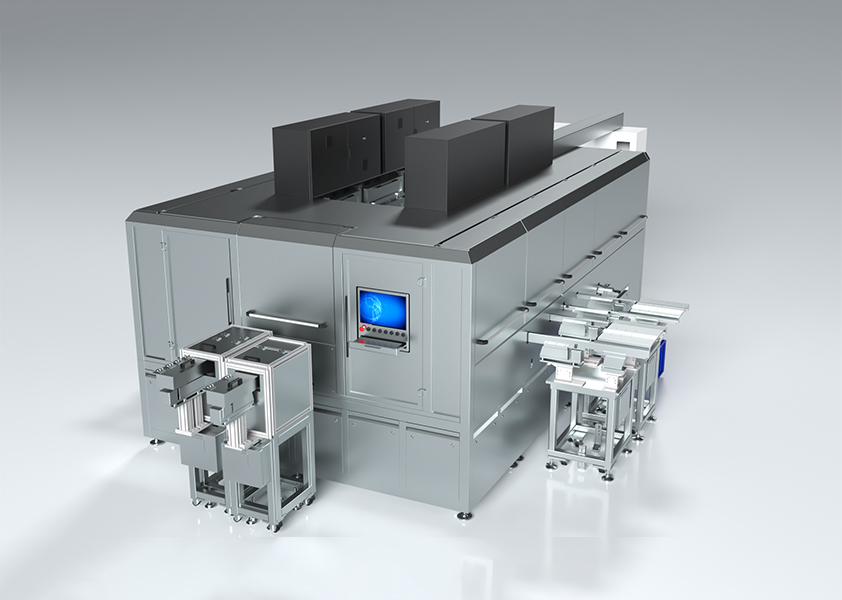
Data speaks first — what we measure, we manage
Look pon di numbers from day one: capital, integration, cycle time, scrap rate, and validation overhead. When folks talk about medical device assembly automation, dem usually mean reducing manual steps and lifting repeatability — but di cost story start earlier. Budget that hardware, software, and the time to tune things; mi say it plain so engineers and procurement talk di same language. Real metrics steer choices, not vibes.

Core cost buckets that move the needle
– Hardware: machines, robots, fixturing, vision systems. Big one upfront, long tail in maintenance. – Controls and software: PLCs, MES integration, licensing, IP development. Iterations add days and dollars. – Systems integration: making subsystems behave like one organism; this often eats schedule. – Validation and regulatory compliance: protocol writing, test records, rework. – Changeover and flexibility: tooling swaps, recipe management, line balancing. Order matters. Pick wrong, an easy-looking robot cell turn into a months-long integration problem.
Validation cost — a single unavoidable anchor
Regulators decide how heavy validation will be. Expect to budget for compliance with the FDA’s Quality System Regulation (21 CFR Part 820) when you build a fully automated production line for regulated devices. Validation work isn’t optional; it’s proof. Tests, traceability, and documentation add predictable hours and vendor effort. Plan that into schedule, or watch delivery slip.
Trade-offs shown by data patterns
Make decisions by comparing scenarios, not slogans. Example patterns: if you double automation scope, hardware spend rises fast but labor variability drops; validation and integration time grow too. Small-step automation keeps validation effort lower but leaves you exposed to operator variability. Think in curves: marginal cost versus marginal benefit. That’s where true value lives.

Common pitfalls — what I see on shop floors
– Over-automating early: automating before process stability creates rework. – Underestimating integration: subsystems that “work” alone often fail together. – Skipping test strategy: no clear test plan balloon validation time. – Ignoring maintainability: cheap fixtures that need constant adjustment become hidden OPEX. Catch these early and you cut months off timeline and a chunk off total project cost.
Design choices that change total project value
Follow concrete choices, not buzzwords. Use pre-qualified modules where possible. Standardize communication protocols so MES and PLCs talk without custom glue. Build test harnesses that run nightly. Consider modular cells that let you scale without revalidating whole line. When you design for the fully automated manufacturing system for medical device production, you change where cost happens — upfront versus recurring — and that determines ROI timing.
Decision checklist for leaders and engineers
– Define measurable objectives: cycle time, yield, downtime limits. – Map validation needs against regulator expectations. – Force-rank flexibility versus throughput for the next five years. – Require integration milestones with demoable artifacts. – Price-maintenance and spare parts in year-one TCO, not as an afterthought. Follow the checklist and you avoid the usual surprises.
Wrap-up — the value statement
Data-guided decisions shrink uncertainty: measure the true cost buckets, respect validation work, and pick modular, maintainable designs. Do that and project value becomes predictable, not hopeful. When teams combine clear metrics with practical design choices, the result align with what partners like FHS provide — solid systems that balance capital, compliance, and throughput without false promises.
