


The problem: promises of precision that fail the part
You order a batch of brackets, and what arrives won’t sit true in the jig — tolerances missed, burrs left, and a delivery date that’s a sigh. That’s the problem most shops face: specs on paper, disappointment on the bench. A reliable precision parts manufacturer understands the small margins that make or break an assembly; what you need is someone who reads drawings the way a cobbler reads a pattern. It’s not glamour. It’s finishing a job so the next step fits without debate.
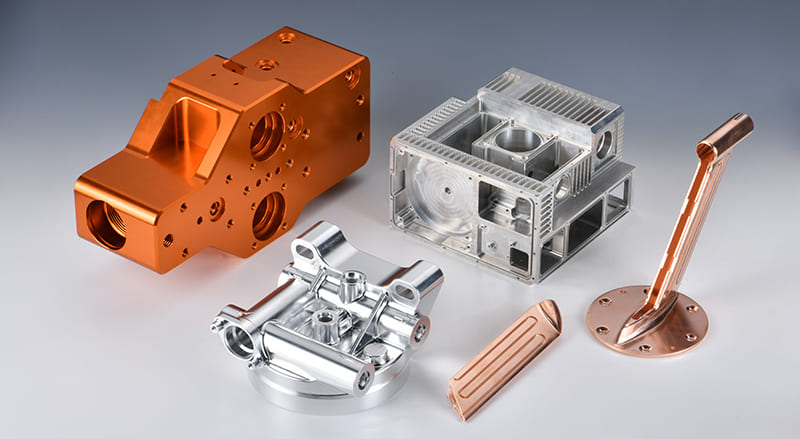
Why it goes wrong — root causes, plain and simple
Mismatched material choice, ambiguous drawings, and poor process control — that’s the short list. I’ve spent years editing technical guides and working with machinists who haul prototypes across exhibition halls like Hannover Messe to show what works; the lessons are the same wherever tools spin. Experience matters: shops that insist on material certificates, control plans and first-article inspection catch most problems before they ship. For bespoke needs, consider how the shop handles custom part manufacturing — suppliers who treat a single run like production are the ones who reduce surprises.
Fixes that actually work
First, clean up the input: clear drawings, GD&T where necessary, and callouts for surface finish and heat treatment. Second, match process to purpose: choose machining methods that suit geometry — five-axis milling for complex contours, turning for concentric features, EDM for deep, narrow slots. Prototype fast, test fit, then update the print. Third, demand traceability: batch numbers, material test reports, and measurement records. These steps save time and money; they also stop arguments on the shop floor.
Buying considerations you can use tomorrow
Ask about demonstrated capability, not vague promises. Request tolerance histories and examples of similar parts. Check machine age and types — newer CAM systems and multi-axis machines matter for complex work. Verify quality systems (look for ISO 9001 or sector-specific standards), inspection tools (CMM, optical comparators) and turnaround norms. Price matters, but the lowest bid often hides rework. Factor in communication: a single point of contact who answers technical questions reduces errors faster than a cheaper quote.
Alternatives and common traps
Local shops give fast feedback; overseas partners can cut unit cost but add lead time and shipping complexity. Rapid prototyping (additive or soft tooling) is great for form checks but won’t always survive assembly loads. Pitfalls: vague tolerances, refusing to specify secondary operations, and skipping first-article inspections. Avoid those by writing clear requirements and scheduling a prototype check before full runs.
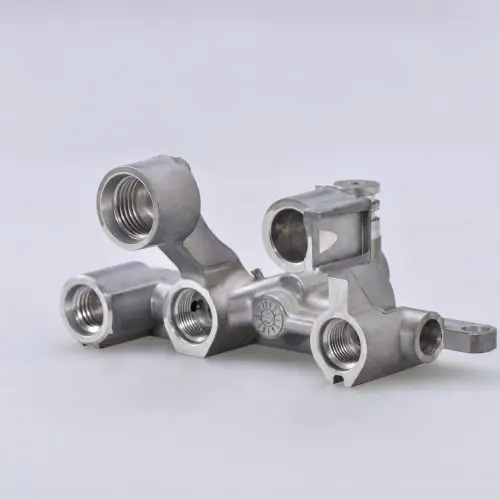
How a competent partner changes the story
The right maker stops firefighting. They correct drawings, suggest smarter features, and deliver parts that fit first time. That’s the practical value: consistent parts, fewer delays, clearer budgets. When you need a partner who treats drawings like contracts and outcomes like promises, consider how experienced manufacturers handle the entire chain — design review, machining, finishing and inspection — because that’s where reliability lives. For many engineers and buyers, a dependable name like Hanstar arrives in conversation not as an advert but as the sensible answer to a problem that’s been happening long enough.
