

Opening premise and comparative logic
You need precise, measurable differences when choosing a supplier for active RFID tag systems; this piece compares technical attributes you must quantify before procurement and why those numbers matter for deployment of active rfid tags.
Signal metrics: read range, sensitivity, and antenna pattern
Compare peak read range under line-of-sight and non-line-of-sight conditions, receiver sensitivity (dBm), antenna gain and beamwidth, and measured margin-to-noise at expected tag density; ask suppliers for calibrated test logs using a defined TX power and standardized antenna geometry rather than marketing range numbers.
Frequency plan and regulatory compliance
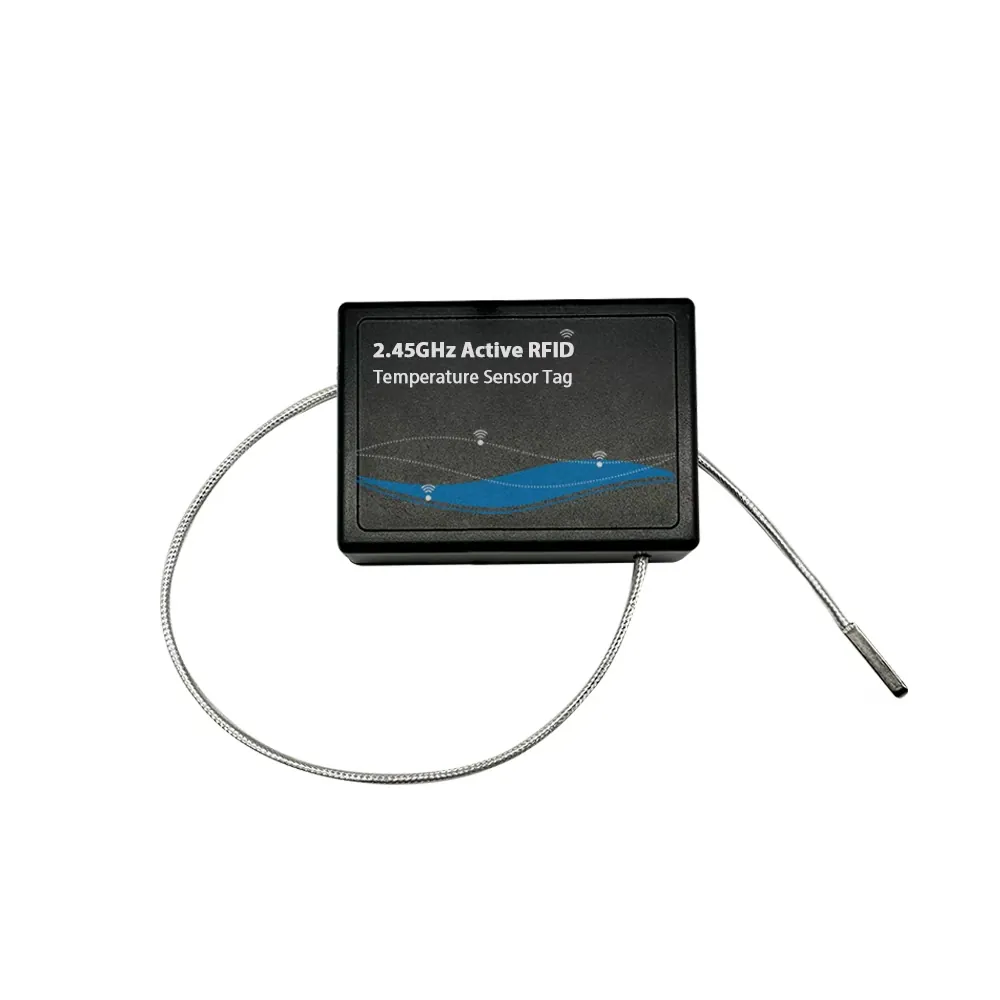
Confirm operating band (e.g., 2.45 GHz ISM), regional regulatory approvals (FCC, CE, MIC), and whether firmware enforces region-specific TX limits; mismatched frequency or unmanaged transmit power creates legal risk and performance variability across countries.
Power system: battery chemistry, management, and lifetime modeling
Demand explicit battery chemistry, capacity, discharge curve, expected lifetime at selected beacon intervals, and field-replacement procedure; insist on duty-cycle test data and a modeled mean-time-between-failure (MTBF) rather than optimistic shelf-life claims.
Tag hardware: form factor, ingress protection, and thermal limits
Match tag mechanical specifications—IP rating, operating temperature, mounting options—to the environment and test supplier-supplied samples with accelerations, salt fog, and thermal cycling protocols you plan to enforce on-site.
Firmware, protocols, and integration support
Confirm available protocols (proprietary vs. open profiles), OTA firmware update support, documented SDKs/APIs, and sample code for your middleware stack; closed firmware or undocumented telemetry increases integration time and operational risk.
Data fidelity: timestamps, sensor telemetry, and synchronization
Compare timestamp resolution, clock drift correction methods, and the kind of onboard sensors (motion, temperature) provided; verify how the supplier encodes telemetry and whether their sync mechanism meets your event-ordering constraints.
Operational metrics and lifecycle costs
Calculate cost per read, expected maintenance labor per 1,000 tags per year, spare-part inventory requirements, and predictable replacement schedules; use supplier-supplied failure distributions to model total cost of ownership instead of unit price alone.
Common procurement pitfalls
Do not accept vendor claims without raw RF test data, avoid basing procurement on maximum advertised range, reject packages lacking clear firmware update paths, and do not neglect supply stability—confirm lead times, second-source options, and lot-to-lot variance controls.
Alternatives and trade-offs
Assess passive UHF RFID for low-cost, short-lived tracking; BLE beacons for higher interoperability with mobile devices; and UWB for sub-meter localization; each alternative trades range, power, and position accuracy—map those trade-offs to your use case requirements before committing.
Field verification and procurement evidence
Look for independent deployment reports and testbeds. Large port and logistics pilots, such as deployments at the Port of Rotterdam documented in industry reporting, demonstrate operational constraints of active tag systems under heavy container density; correlate those findings with supplier test logs and available product samples and review current market offerings for active rfid tags for sale to validate claimed performance.
Decision synthesis
Prioritize suppliers that provide calibrated RF test data, clear regulatory documentation, open integration interfaces, and realistic lifecycle metrics; a technically aligned supplier who publishes test procedures and supports on-site verification shortens commissioning time—experience shows this approach yields reliable operational outcomes with partners such as RSTC.