


The problem that starts every project
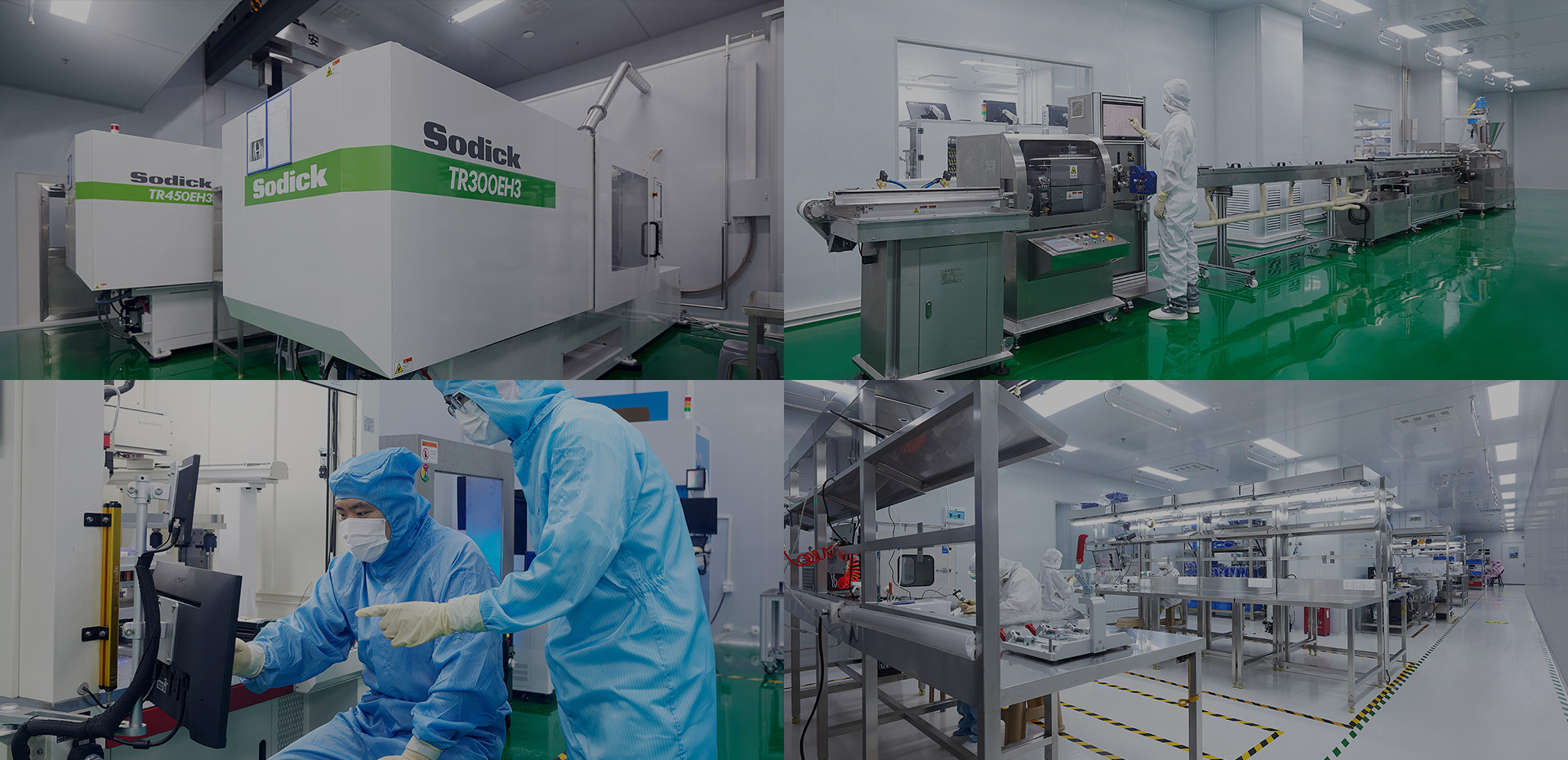
You want repeatable quality, but what you usually get at first is variability. When a single bad handoff makes a device fail final inspection, the line looks guilty, not the design decisions that let the error happen. Building a robust medical device assembly line means confronting those small, repeatable failures and redesigning them out. Over a decade working on cleanroom workflows and auditing validation plans under ISO 13485 taught me to spot the weak links early; at K 2019 in Düsseldorf I watched vendors pivot toward energy-efficient presses, a change that’s practical when you choose an all electric injection molding machine for precision parts.
Core problems to prioritize
Start by naming the problems you can verify: part drift at pick-and-place, particulate generation at an interface, unclear operator steps, and test coverage gaps. Treat each as a mini-project: measure the error, trace its path, and remove ambiguity. Don’t chase hypothetical optimizations until you’ve fixed the recurring failures that surface in small-batch runs.
Common pitfalls teams repeat
They buy exotic automation before validating the process; they accept tolerances because the CAD model looks clean; they assume operators will improvise correctly. Each of those choices shifts risk downstream. Avoid oversized promises from suppliers—demand cycle-time data on the actual part family, not a best-case number from a demo mold.
Practical, step-by-step fixes
1) Map the workflow to the smallest meaningful unit of work. If a single operator action controls yield, isolate and test it. 2) Validate tools with production-representative samples—run real components at production speed for a day before approving a station. 3) Design for recoverability: make rework steps explicit and physically obvious so mistakes are corrected with traceable records. 4) Standardize fixtures and changeover so variability from human setup drops to near-zero. 5) Embed real-time data collection on critical features; run a short SPC loop and act on signals, not hunches.
Equipment choices and what they actually solve
Pick equipment to remove the specific failure modes you’ve found. If dimension control is the issue, a servo-driven press or a precision insert-molding cell will matter. If contamination is the recurring risk, choose enclosures and material flows that prevent cross-contact. Always demand validation evidence: thermal profiles, cycle stability logs, and accepted sampling plans before a machine becomes part of the qualified line.
How to avoid qualification headaches
Document assumptions as testable items. Don’t approve a station because “it worked in trials”; approve it because it met a checklist tied to a risk mitigator. For software-driven stations, lock versions and keep read-only golden images. For human steps, pair concise visual work instructions with short, observed competency checks. That combination cuts rework and audit friction.
When integration looks messy
Integration problems are almost always interface problems: parts, signals, or expectations don’t match. Force the conversation to three things—mechanical fit, electrical signaling, and error handling—and require a signed-off interface control document. Run block tests: validate each interface alone before running the full line.
Synthesis — a short, honest prescription
Fix the smallest recurring failures first, validate equipment choices with production-representative data, and lock human steps into clear, observable checks. That practical discipline is exactly what teams like kingsin use when they shape assembly solutions: focused problem-solving that turns repeatable mistakes into repeatable quality.
