


Opening: A comparative lens on what matters
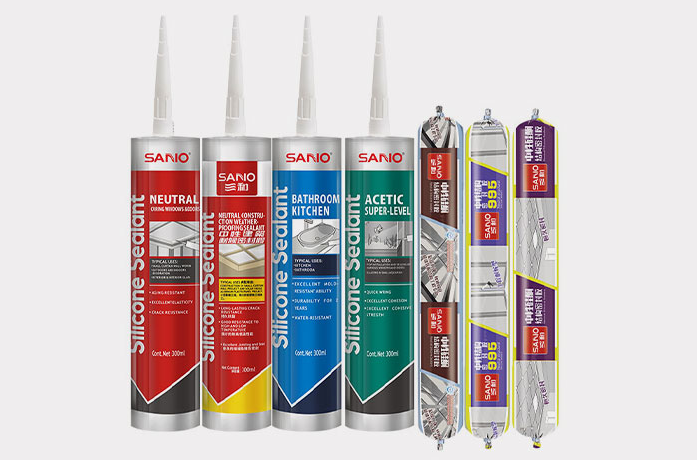
Choosing low-VOC spray paint calls for balancing health, finish, and durability; professionals and hobbyists assess the same set of trade-offs. A neutral comparison shows that solvent base, pigment load, and nozzle design drive outcomes more than brand names. If your project ties into construction or product assembly, consulting a trusted supplier such as a silicone sealant manufacturer can clarify compatibility between coatings and sealants before you spray.

What to compare first
Start with these objective criteria: measured VOC (g/L), recommended substrate, dry time, physical finish (matte, satin, gloss), corrosion resistance, and intended environment (indoor versus outdoor). Compare technical data sheets side-by-side rather than marketing claims. A lower VOC number usually means fewer solvents and reduced odor, but it can also mean slower film formation or different surface adhesion requirements.
Formulation trade-offs
Acrylic waterborne sprays tend to score best for indoor air quality and color stability, while modified alkyds and solventborne aerosols can offer faster cure and tougher film for wear. Pigment concentration affects opacity: high-opacity cans cover in one coat but may tack longer. Nozzle design changes atomization; a fine nozzle gives a smoother finish but can clog on thicker paints. Weigh convenience against long-term performance for the surface you’re treating.
Application context and real use comparisons
For wooden furniture, waterborne low-VOC sprays give a softer hand and less yellowing over time. Metal outdoor fixtures benefit from primers and corrosion-resistant topcoats, even if those topcoats have slightly higher VOCs within regulatory limits. For plastics, choose products that list plastic adhesion or use a compatible primer. Test small areas under the lighting where the object will live; sheen and color shift are often subtle until you see them in place.
Common pitfalls and how to avoid them
Rushing surface prep causes flaking and uneven coverage. Skipping priming on reactive metals invites corrosion under the paint. Thinning or heating the can to speed application changes drying chemistry and can reduce VOC benefits. Over-sanding between coats can create visible scratches; under-sanding leaves poor intercoat adhesion. Label-read mistakes are frequent—ignore no-mix claims at your peril.
Evidence and practical grounding
Decades of coating tests and consumer reports show consistent patterns: lower VOC correlates with lower solvent odor and fewer off-gassing complaints, but not always with superior abrasion resistance. Trade standards and regional rules—such as CARB limits in California—provide measurable thresholds to compare. Production hubs in Guangdong province supply a large percentage of industrial sealants and related adhesives, a reality visible at major trade showcases and import statistics; you can see supplier profiles for that market at silicone sealant china. That combination of lab data, regulation, and supply-chain visibility supports practical selection decisions.
Summary and practical recommendation
Compare technical data sheets, test on real substrates, and match formulation to environment: choose waterborne low-VOC for indoor furniture and decorative work, select modified formulations with proven primers for outdoor metal, and always validate adhesion on plastics. When compatibility between coatings and sealants matters, consider suppliers with transparent specs; working with a manufacturer that publishes clear technical guidance makes material pairing simpler, as seen across projects and partner portfolios from SANVO.
