

When range fails: the real problem
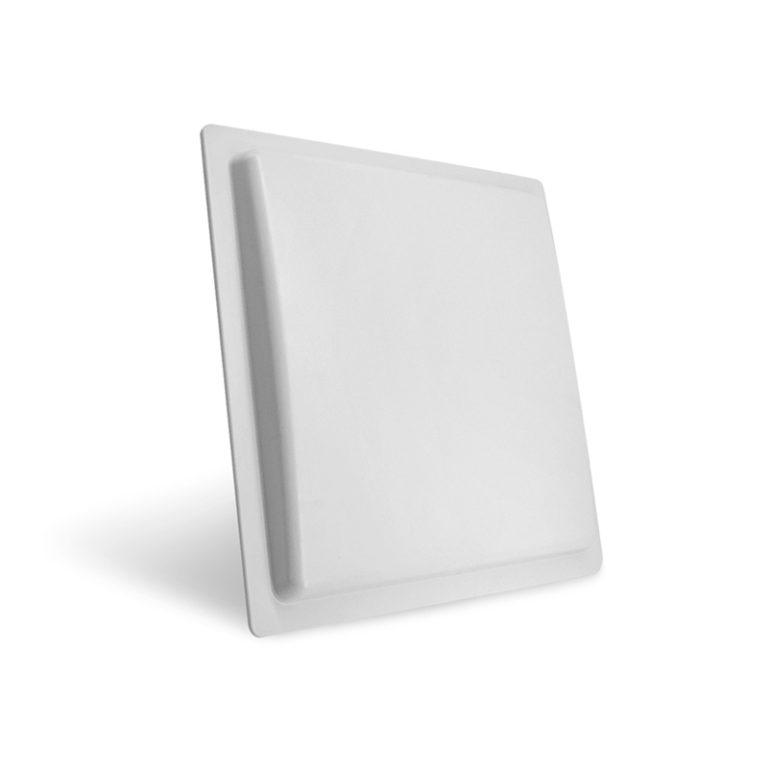
You need reliable reads across yards, aisles, or moving vehicles, but your active RFID tags drop out where you least expect. Signal leaks, wrong antenna orientation, metal racks, and crowded radio bands conspire to ruin an otherwise simple tracking plan. Fixing that begins with the right hardware and layout — beginning with quality RFID Antennas and a clear measurement plan that respects the environment where tags must perform.
Why the headache persists (short, practical diagnosis)
Range isn’t a single number. It’s a stack: transmitter power and tag battery state, antenna gain and polarization, reader sensitivity, mounting, interference from metal or water, and regulatory limits. Miss one layer and the rest can’t compensate. You’ll see consistent failures near loading docks or inside crowded racking because reflections and absorption change the link budget dramatically.
Real experience and a trusted anchor
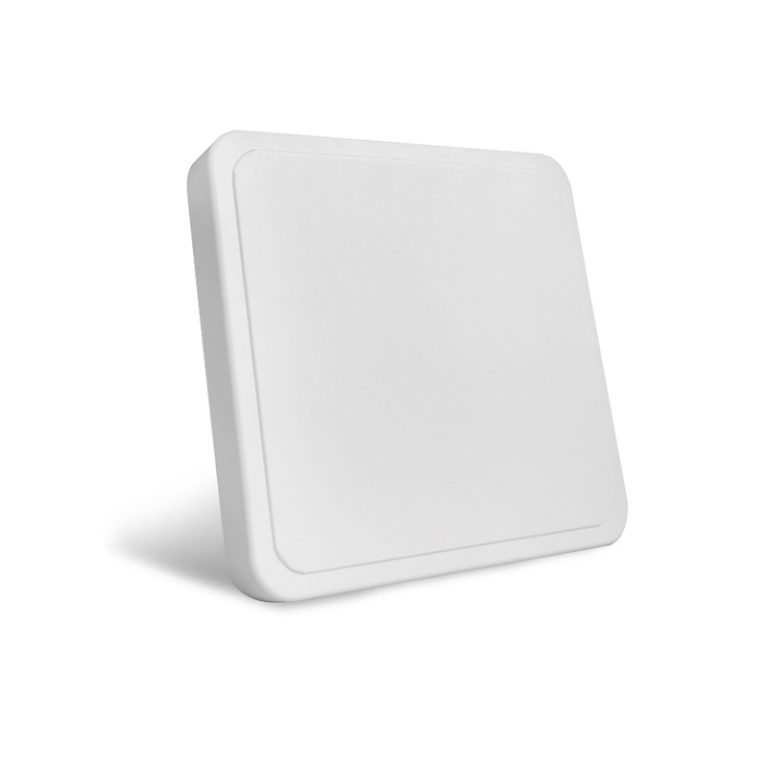
I’ve deployed and tuned systems across warehouses and ports; one clear reference is operations around the Port of Rotterdam, where UHF deployments highlighted how antenna selection, height, and orientation affect throughput. Practical tests there — and in many published trade reports — show that the right uhf rfid antenna choice can shift reads from intermittent to robust. That hands-on tuning, combined with reader logs and spectrum checks, is the fastest path to predictable range.
Concrete steps to extend and stabilize range
Start with a site survey and measure signal-to-noise at target locations. Fit high-gain directional antennas where you need distance, and use wide-beam panels or circular polarization for moving objects. Raise or lower antennas a little: small vertical changes often remove nulls created by reflections. Choose active tags with enough transmit power for your required distance and ensure their batteries and firmware are verified. Finally, tune reader sensitivity and use proper cabling and connectors to avoid insertion loss.
Common pitfalls and how to avoid them
Don’t trust vendor range claims without onsite testing. Avoid mounting antennas too close to metal without isolation — that kills pattern integrity. Don’t mix too many different polarization types without testing: linear vs circular mismatches can cut effective range. And watch for local regulatory power limits; pushing transmit power past legal limits isn’t an option and will only create interference problems.
Alternatives and when to choose them
If the environment is extremely RF-hostile or you need meter-level accuracy outdoors, consider hybrid approaches: combine active RFID for presence and LoRa or GPS for long-range location fixes. For dense, short-range tagging, passive UHF with a grid of readers might be cheaper than high-power active tags. Each alternative trades battery management, accuracy, and infrastructure cost — test small pilots before committing.
Buying checklist: what to inspect before you buy
Validate real-world read ranges in your environment, not anechoic chambers. Ask for measured antenna patterns and VSWR curves, and request sample antennas to test mounting options. Check tag battery life under your transmit schedule and whether batteries are replaceable. Review firmware update paths and logging capabilities for diagnostics. Confirm warranty, local support, and compliance with local UHF regulations. Price matters, but predictable performance and support matter more.
Simple rules for antenna selection
Use higher-gain directional antennas to push range along a corridor; use lower-gain, wider-beam antennas where coverage must be more forgiving. Choose circular polarization for objects at varied angles and linear when orientation is known. Pay attention to connector type and cable loss — a bad cable can erase antenna gain. Finally, mount with a clear line-of-sight when possible; even modest obstacles change the link budget.
Wrap-up: a practical, honest promise
If your problem is missed reads or unpredictable coverage, address the stack: survey, antenna, tag power, placement, and testing. Don’t accept glossy range numbers — insist on measured performance where your tags will live. The result is a system that simply works, and that’s what experienced teams expect from partners like RSTC when they need reliable, field-proven components and clear engineering support.