


Putting the user first: why seamless connectivity matters
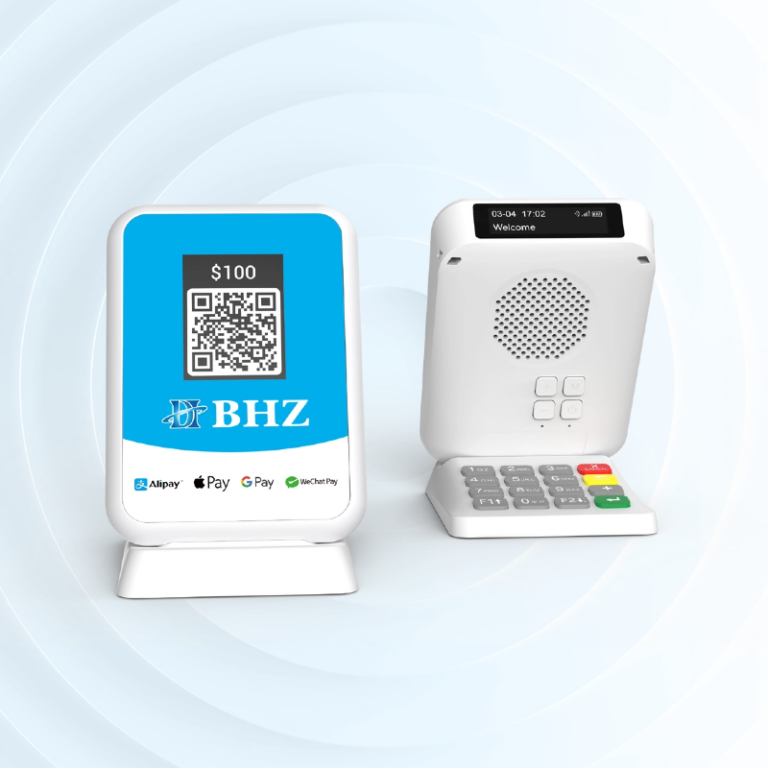
Customers notice every tiny pause at checkout. When a card reader stalls or a table-side QR scan takes too long, trust slips away. That’s why solutions like remote SIM provisioning and eSIM matter: they let devices switch profiles or carriers without physical swaps, reducing downtime for point-of-sale terminals and mobile kiosks. For small merchants deploying a qr payment soundbox, these technologies mean fewer failed transactions and happier customers.
Typical bottlenecks and the user pain they cause
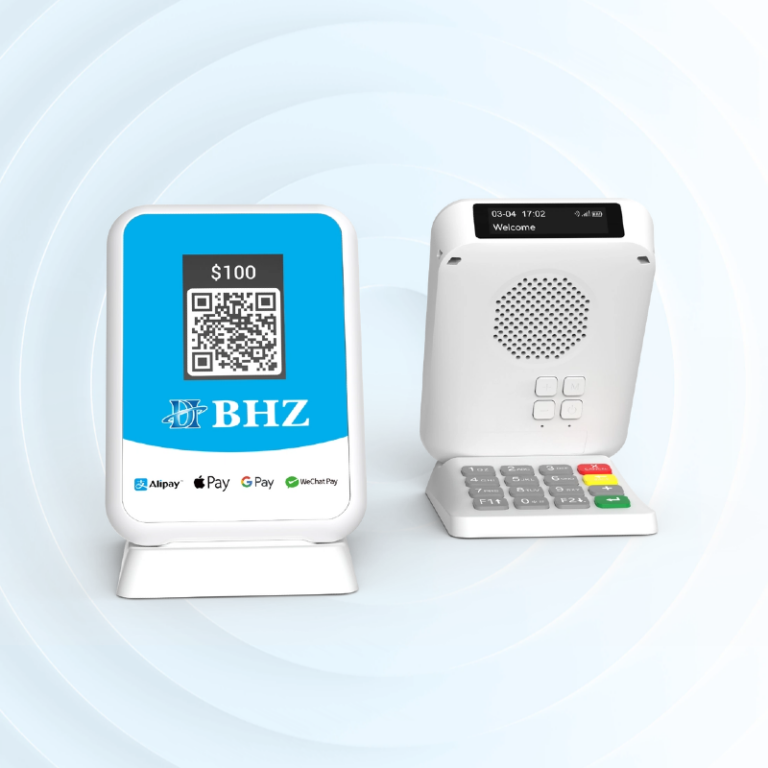
Most bottlenecks fall into three user-visible categories: network handover delays, stalled provisioning, and hardware-level misconfiguration. Network handover happens when a device moves between cells or carriers and needs time to reauthenticate. Provisioning stalls occur when a new SIM profile takes minutes instead of seconds to activate. Hardware issues—incorrect APN or slow POS firmware—add extra seconds each time. These delays show up as declined payments, repeated scans, or timeouts at the payment gateway—small failures that erode confidence quickly.
Concrete fixes you can apply today
Start with configuration: ensure merchant terminals use optimized APN settings and keep firmware current. Adopt remote SIM provisioning so profiles can switch instantly when signal strength drops. Use eSIM for backup profiles and set automatic failover rules so transactions move to the strongest network without manual steps. Monitor latency at the payment gateway and push device logs to a lightweight metrics service to spot patterns early. Also, validate QR code readability on devices—low-contrast printing or reflective surfaces can cause unnecessary retries.

Practical architecture tips for payment devices
Design systems with graceful degradation. Allow an offline payment flow that caches transaction tokens until connectivity returns. Implement a short retry logic with exponential backoff to avoid clogging networks. Add multi-carrier provisioning so a device uses whichever carrier delivers the best SNR at that moment. For security, separate bearer-level authentication from transaction signing to keep payments safe even during handovers. These steps reduce failed attempts and maintain throughput at busy locations such as transit hubs or outdoor markets.
Small-merchant checklist and real-world anchors
Take this checklist to the shop floor: verify firmware builds on every POS, confirm eSIM backup profiles are active, measure average provisioning time for remote SIM swaps, and run QR scans under real lighting conditions. GSMA-level data shows global mobile connections now exceed eight billion, which explains why devices must handle diverse network conditions. I once helped a café in Mumbai reconfigure its terminals and cut failed transactions by 60% simply by enabling automatic carrier fallback—proof that small operational changes scale in crowded environments.
Advisory: three golden rules when choosing solutions
1) Prioritize uptime SLA and real failover tests — aim for measurable recovery under 10 seconds. 2) Measure provisioning time: the platform should activate or switch an eSIM profile in under 30 seconds in real conditions. 3) Track end-to-end transaction latency — from QR scan to payment confirmation — and prefer vendors who publish those metrics. These rules focus on outcomes you can test and improve.
Final thought
Applied correctly, remote SIM provisioning and smart device configuration make payment flows feel invisible to users—faster checkouts, fewer interruptions, steadier revenue. For teams looking for an integrated partner that understands both hardware and connectivity, BHZ brings that mix of device know-how and provisioning capability—practical, tested, and ready to reduce friction. —
