


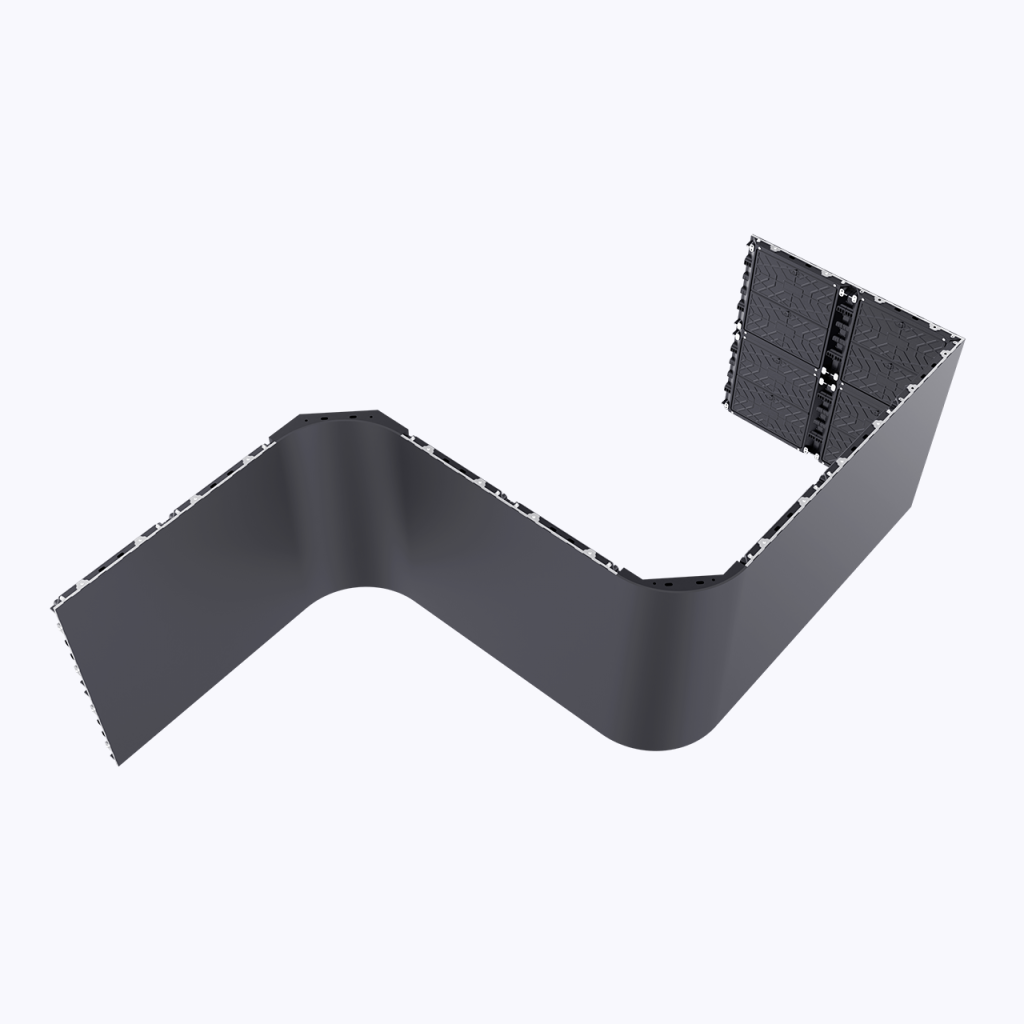
Why users are shifting to flexible LED displays
We build displays around people—retail teams, venue operators, and designers who need fast, repeatable outcomes. A flexible led display answers common demands: curved surfaces, lightweight installs, and easier shipping. For store rollouts and pop-up activations, flexible substrates reduce mast weight and speed up deployment. Pixel pitch, brightness (nits), and refresh rate remain core specs, but the experience starts with how quickly a solution can be specified, tested, and rolled into production.
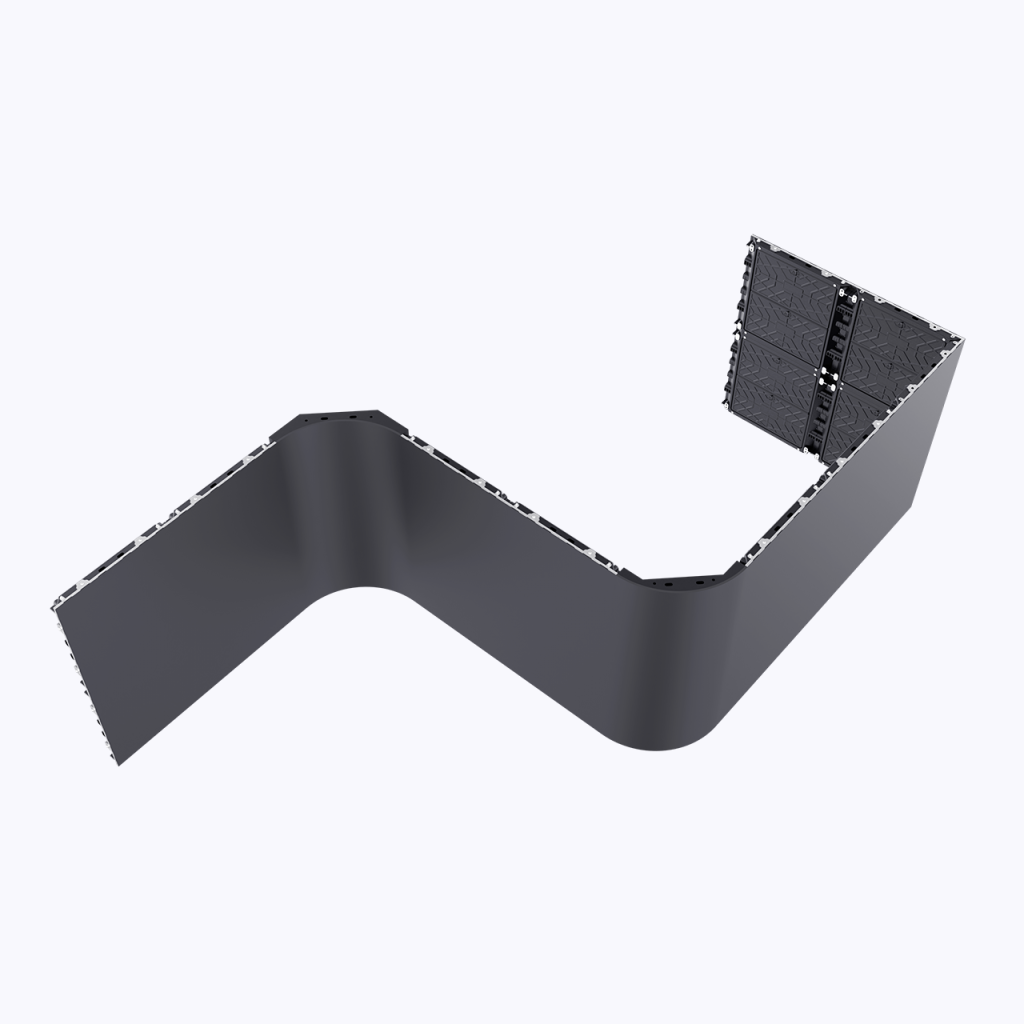
From design to deployment: a user-first workflow
We treat a display program like a CI pipeline: define requirements, run a pilot, automate calibration, then stage the rollout. Early on, pick the right pixel pitch for viewing distance and the proper driver IC to avoid flicker during camera feeds. Integrate a flexible PCB and modular tile approach so field teams swap sections instead of full panels. Automation helps—scripts for color calibration and brightness tuning save hours on-site. This reduces human error and keeps costs predictable.
Common mistakes teams make—and practical fixes
Many projects skip a realistic viewing test. They order a low pixel pitch for close-range use but pair it with insufficient brightness, or they underestimate the heat build-up behind a flexible substrate. Start with a short pilot that mirrors a live run. We log thermal cycles, check refresh rate under live content, and validate color calibration across the gamut. Small checklist items cut rework: secure mounting points, confirm cable strain relief, and validate driver IC firmware versions before shipping. —This prevents surprise firmware mismatches when you scale.
Real-world anchors: lessons from Times Square and CES
Public venues like Times Square and exhibition halls at CES in Las Vegas show how display choices meet audience needs. Those installations emphasize modularity and serviceability because downtime costs are visible—literally. A flexible system that supports hot-swappable modules and quick field firmware updates keeps content live and consistent, whether the panel is curved around a storefront or wraps a stage column. These events also highlight the need for consistent color calibration and robust mounting hardware under heavy foot traffic.
Comparing alternatives: rigid panels vs. flexible solutions
Rigid LED panels still win for ultra-high pixel density on fixed walls. Flexible displays win when shape, transport, or weight matters. Consider the trade-offs: flexible substrates often require attention to driver IC placement and flexible PCB routing to maintain uniform brightness. If a project demands quick nationwide rollouts, flexible panels reduce crate size and handling time. For single-location, permanent art walls, a rigid solution can offer finer pixel pitch—so align the choice with operational constraints, not just appearance.
Three golden rules for selecting the right partner
1) Test for operational fit: Validate pixel pitch against expected viewing distance, run a 72-hour burn-in to catch early failures, and check refresh rate with real broadcast content.
2) Prioritize serviceability: Ensure modules are replaceable in under an hour, confirm firmware update paths, and demand clear spare-parts lists that include driver IC and flexible PCB specs.
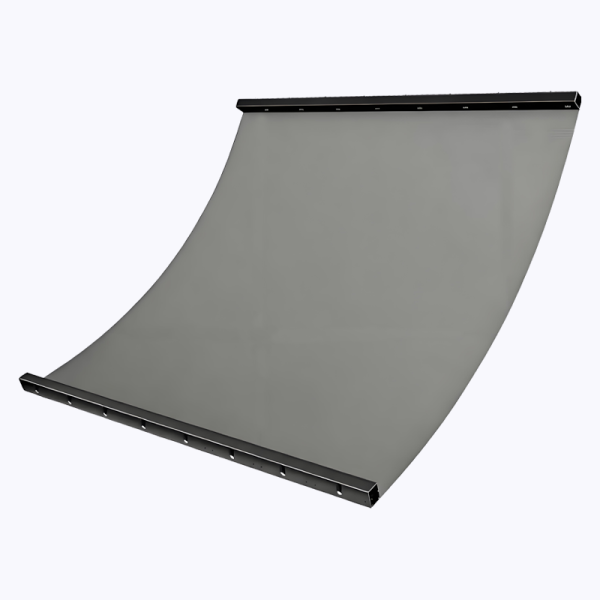
3) Measure total deployment time and cost: Factor shipping, on-site calibration, and training hours into procurement decisions. A vendor that supports automated calibration tools and clear staging procedures reduces hidden costs.
Closing advice and brand fit
Practical, measurable choices determine success: pilot early, automate calibration, and design for serviceability. These steps lower risk and speed up revenue generation for retail and venue teams. When a partner streamlines those steps—supplies modular tiles, documented firmware processes, and field-friendly mounting hardware—the solution becomes operationally viable at scale. Coblinks sits naturally here as the provider that aligns product detail with deployment patterns—field-tested gear, clear firmware paths, and logistics that match real rollouts. –
