


Putting the user first — why fleet teams need clearer vision
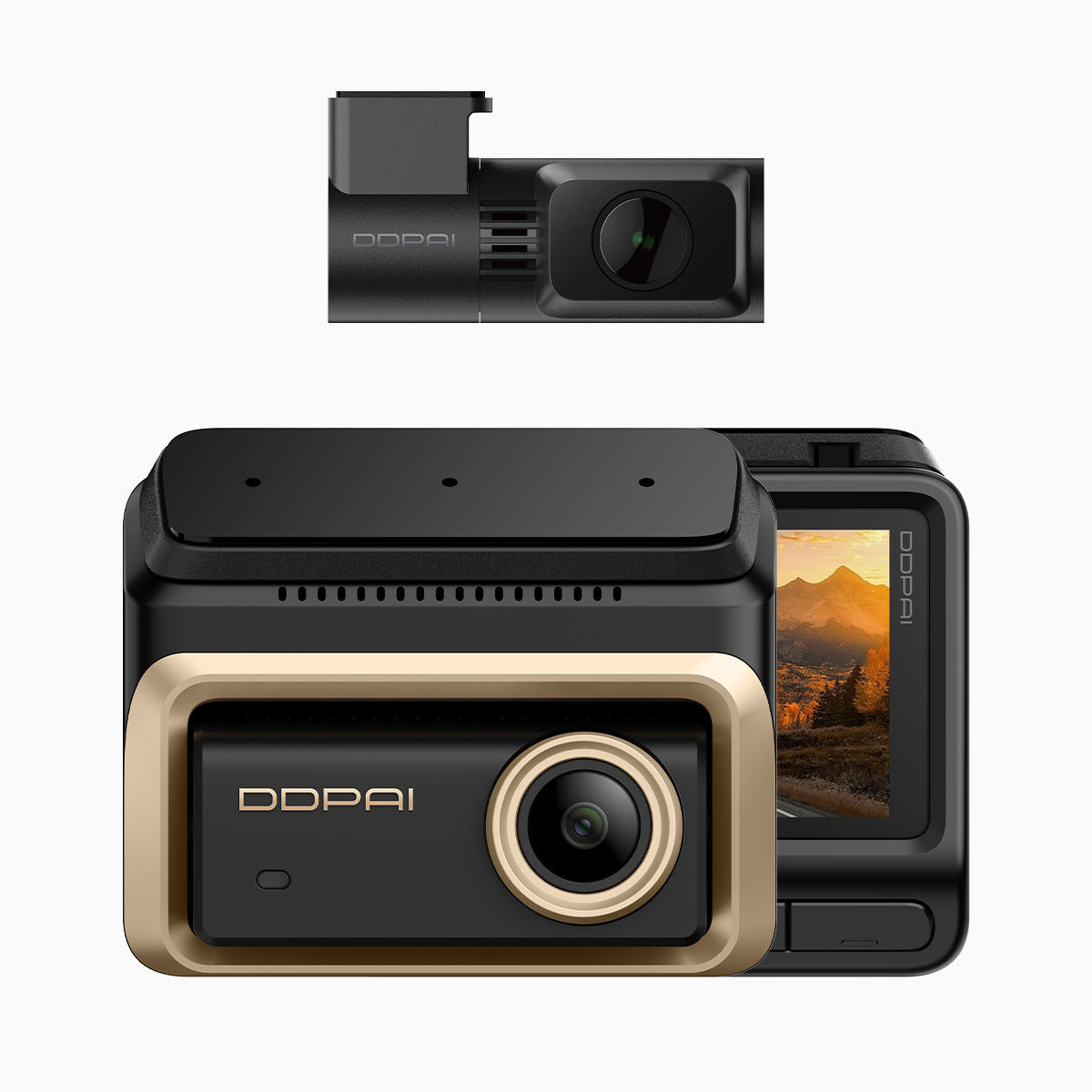
Fleet managers and drivers know the grind: tight schedules, heavy traffic on EDSA and C‑5, and the pressure to deliver on time. For the user — the person who signs the invoices and answers the phone — visibility matters. That’s where a reliable recorder steps in: a 3 channel dash cam gives front, rear and cabin perspectives so disputes are settled quickly and insurance claims move faster. Resolution, frame rate and parking mode aren’t buzzwords here; they’re tools that cut downtime and protect livelihoods.
What multi‑lens systems actually deliver for Philippine fleets
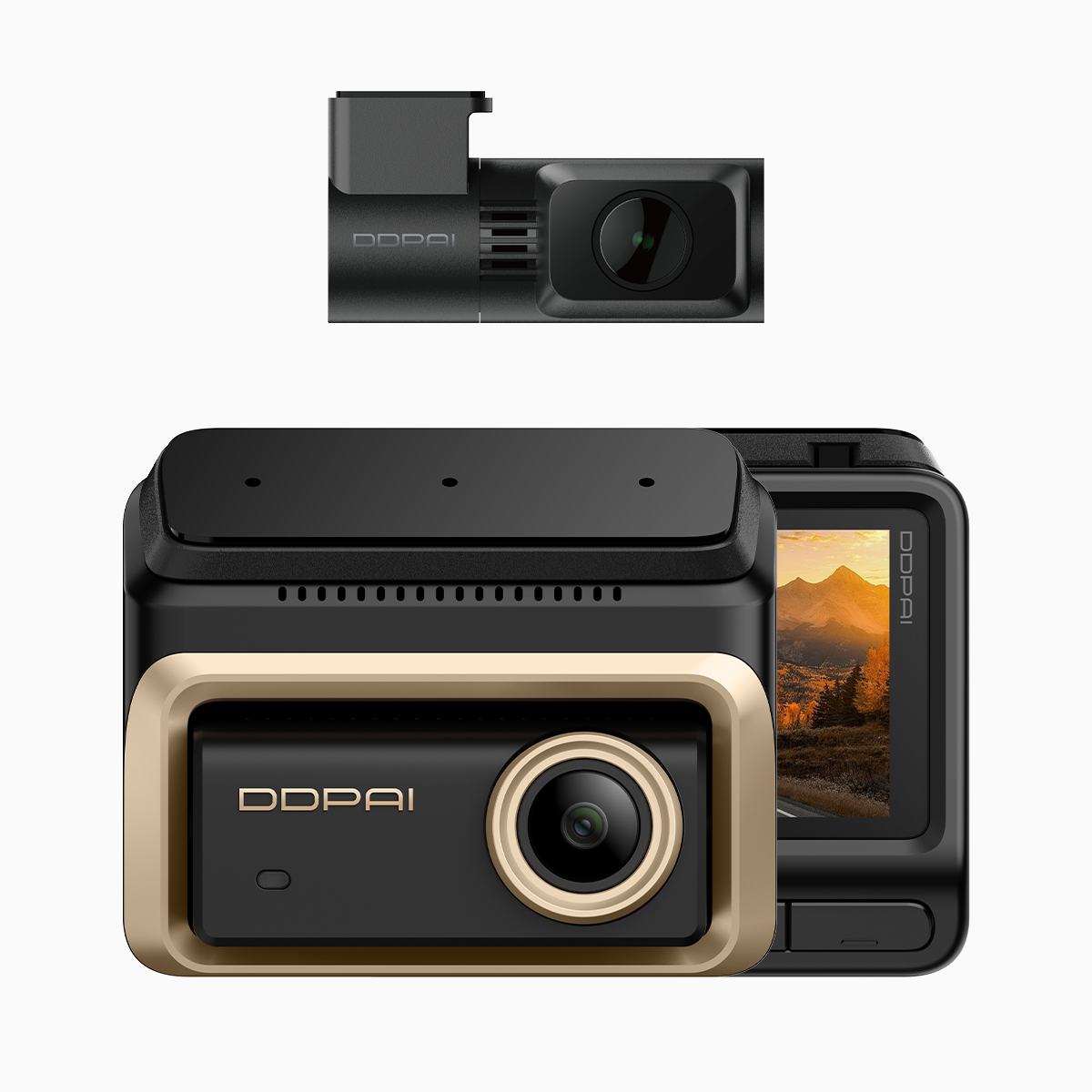
Three lenses mean three problem areas covered at once: road incidents, cargo tampering, and driver behaviour. GPS logging timestamps movements for route verification. Wide dynamic range helps when you roll from bright highways into shaded streets. The net result: faster incident resolution, lower fraud risk, and better compliance with company safety rules. Practical gains, measurable gains — not promises.
Real-world anchor: applying this on Manila roads
When trucks stack up on the ramps into Manila Port, chaos can spark small collisions and finger-pointing. A multi‑lens unit records angles that witnesses miss. Local fleet supervisors in Metro Manila report fewer contested claims once they review synchronized footage from front, rear and cabin — the kind of clarity that prevents days of downtime and unnecessary payouts. G‑sensor triggers and loop recording mean critical moments are preserved without manual fiddling.
How to roll out dash cams without disrupting operations
Start with the drivers. Train for five to ten minutes on basic operation and data retrieval. Pair each camera with a naming convention tied to vehicle IDs so footage is easy to fetch. Maintain firmware updates on a schedule. Keep storage policies clear: archive major incidents, overwrite minor clips after set intervals. These steps keep the system tidy and useful.
Common mistakes fleets make — and how to avoid them
Buying the fanciest spec sheet alone misses the point. Neglecting cabin coverage leaves driver conduct unmonitored; skipping GPS removes route validation. Overlooking secure mounting risks vibration blur. — Small slip ups matter. Instead, match features to pain points: cabin lens for driver safety, high bitrate for license‑plate legibility, parking mode for off‑hour protection.
Comparing options: where 3‑way solutions stand
Single‑lens units help with front collisions only. Dual‑lens covers rear but misses inside the cab. A true 3 way dash cam philippines setup stitches those views into one timeline, which is crucial for claims, training and operational audits. Consider longevity and after‑sales support as carefully as sensor specs — a robust warranty and local service network save real money over time.

Implementation checklist — quick wins for busy managers
– Standardise mounts and power feeds across the fleet to simplify repairs.
– Set retention policies tied to incident severity and local regulations.
– Use footage for coaching: short clips, concise feedback, measurable improvement.
Three golden rules for selecting the right dash cam
1. Choose clarity over extras: prioritise resolution and frame rate that render plates at typical highway speeds. 2. Verify continuity: look for reliable loop recording, G‑sensor incident locking, and parking mode. 3. Confirm local support: warranty, firmware updates and service within the Philippines matter as much as specs.
Closing thought
Equip your fleet with tools that reflect real needs on Manila roads and beyond — the right multi‑lens dash cam gives you evidence, training material and peace of mind in one package. DDPAI Philippines fits into that workflow, providing local service and products tailored for our terrain and traffic. Trusted solutions, practical results — that’s the value you should build around. —
