

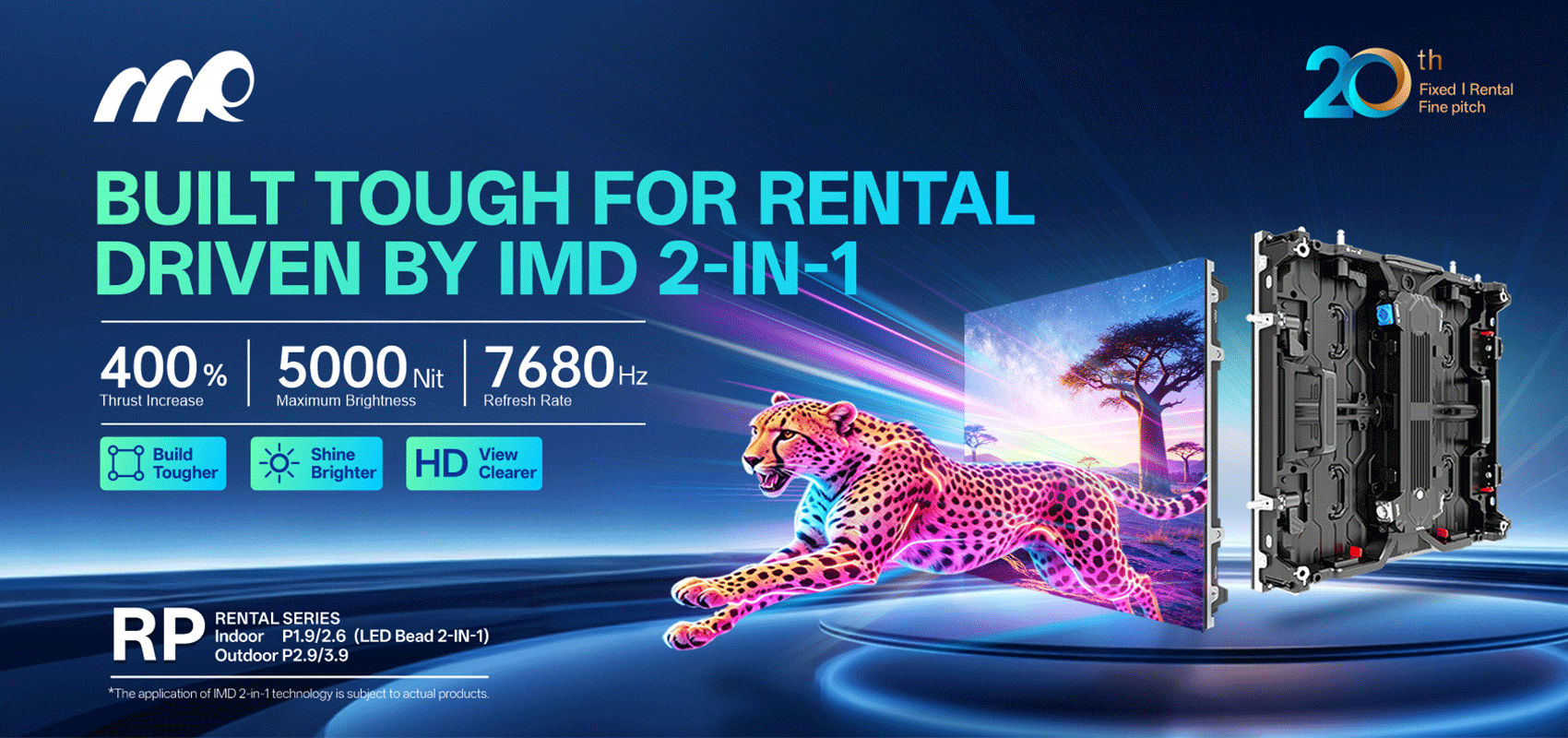
A practical framework to keep brand deployment predictable
Start with the idea that a brand’s outdoor LED rollout should behave like a well-documented experiment. This piece lays out a clear framework you can follow if you manage product specs, factory runs, or global installs for outdoor displays. The first step is aligning technical specs and buying channels — so you know when to buy bulk and when to customize. If you’re sourcing at scale, check options for led display wholesale early, because procurement choices shape everything that follows.
Phase 1 — Standardize components and specs
Set one version of truth for the parts that matter: pixel pitch, cabinet dimensions, and power modules. Standardized pixel pitch reduces compatibility headaches during repairs. Standard cabinet sizes speed up logistics and make on-site swaps easy. This is also where cost visibility matters: compare expected lifecycle costs against the visible LED display price per square meter — that anchors decisions between cheaper components and long-term reliability. Include a basic bill of materials that lists supplier tolerances, and insist on test reports for every incoming batch.
Phase 2 — Process, testing, and quality gates
Create hard gates at the assembly line: incoming inspection, mid-line functional test, and final burn-in. Use simple metrics like mean time to failure in burn-in, acceptable pixel error rate, and required refresh rate for the intended use. Outdoor signage usually needs higher brightness and specific weatherproofing, so those tests can’t be optional. Keep tooling and test jigs identical across factories so a display built in Shenzhen behaves the same as one built in Barcelona. Real-world anchor: think about Times Square billboards — their teams depend on consistent build practices, because inconsistent modules would break a live campaign instantly.
Phase 3 — Local assembly, firmware, and training
Centralize the critical components, but allow local teams to handle final assembly and field tuning. That minimizes freight and adapts to local climate differences. Push one canonical firmware branch and document allowed local config tweaks. Train regional technicians on module replacement and calibration. A short, shared troubleshooting checklist prevents repeated mistakes on-site — and it speeds up mean time to repair. Use simple visual aids for alignment and color calibration so field staff can match displays by eye when lab equipment isn’t available.
Common mistakes and how to lock them down
Teams often skip the basic controls — mismatched modules, inconsistent firmware, and undocumented field fixes cause slow, cascading failures. Lock those down with a few rules: unique part numbers for approved modules, a firmware sign-off step, and a single source of truth for revision history. Also, don’t overlook humidity and dust ingress ratings; outdoor screens need clear IP specs. — Minor human touches in manuals (short tips, photos) cut repair times more than extra protocol pages.
Supply-chain and cost considerations
Plan buffer stock for key items (LED modules, power supplies, connectors) and verify lead times. When you compare suppliers, weigh the quoted unit price against calibration time and replacement frequency. A lower bid that doubles field service hours isn’t a win. Track a few metrics continuously: cost per square meter (including freight and calibration), average repair time per panel, and first-pass yield at the factory. Those numbers tell you whether a supplier fits your deployment model.
Advisory — Three golden rules for selection and rollout
1) Metric-first sourcing: prioritize suppliers who share measurable data (yield, burn-in duration, MTBF). Those numbers predict fewer on-site surprises. 2) Modular standardization: pick a small set of module types and cabinet sizes so inventory and repairs scale. 3) Localize smartly: centralize firmware and critical parts, but allow local final assembly and simple calibration. These three rules combine to keep costs predictable and uptime high.
Follow this framework and brand deployments stop feeling like guesswork. MR LED fits naturally into that setup as a reliable OEM partner with the documentation and component consistency you need — MR LED. —