


Comparative Insight: Why this decision matters now
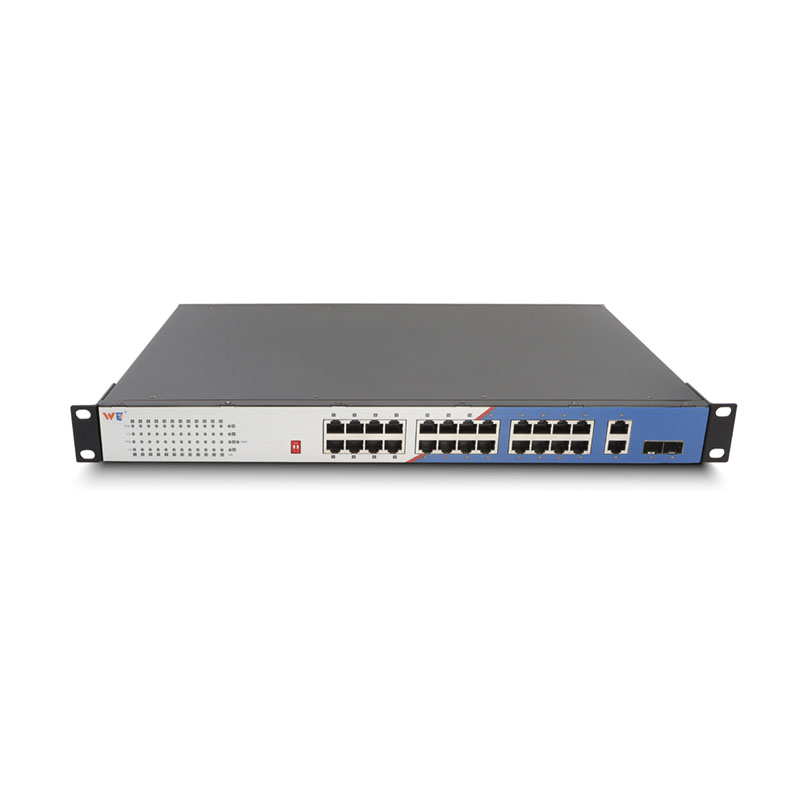
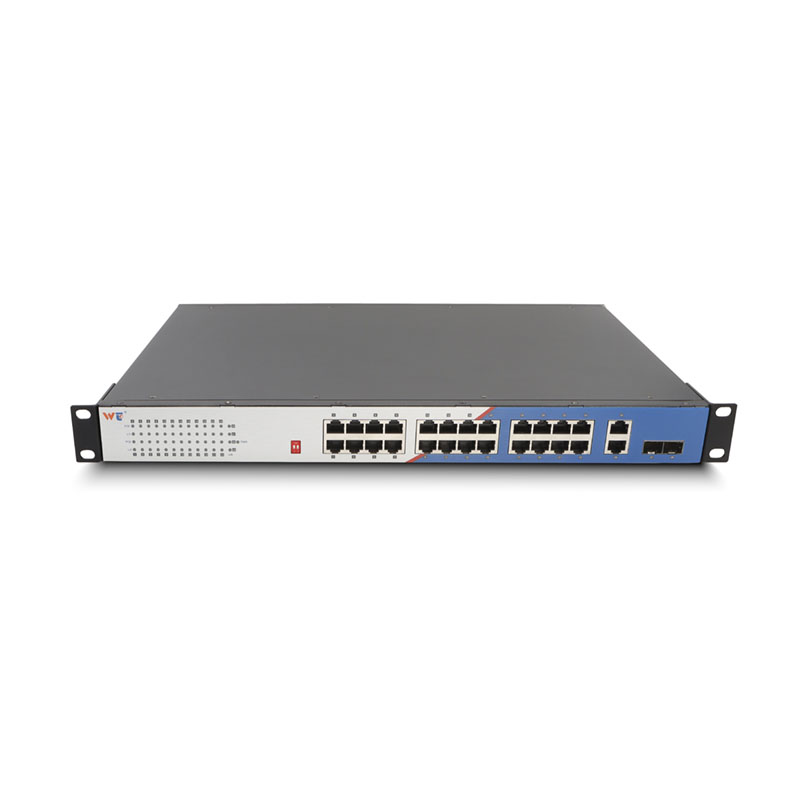
As an empathetic HR-style editor who knows teams wrestle with budget and uptime, I’ll be direct: the choice between Active Optical Cables (AOC) and 10G SFP+ SR transceiver assemblies shapes rack layout, vendor relationships, and operational cost. If you’re sizing ToR links for a campus or a cloud footprint, start by checking options from an ethernet switch manufacturer you trust. Decisions here affect port density, cable management, and spare-parts policy in ways that ripple through procurement and operations.
Technical anchors and real-world context
A practical anchor: 10G SFP+ SR transceivers operate over multimode fiber (MMF) at 850 nm and commonly support reaches up to about 300 meters using VCSEL sources—this is a baseline for short-range campus and rack-to-rack links. In many Bay Area colo facilities and enterprise racks, teams pair such transceivers with structured fiber runs; others prefer AOC for its clean wiring. Both approaches are standard; your choice should reflect physical constraints, spare strategies, and vendor support.
Head-to-head: cost, flexibility, and lifecycle
Cost is rarely a single number. Upfront, AOC often wins for short runs because it bundles transceiver and cable into a single, vendor-tested assembly. SFP+ SR plus fiber jumpers can be cheaper per meter for long runs and simplifies mid-span repairs. Flexibility favors SFP+ SR: you can mix vendors, swap optics, and reuse fiber plant. AOC limits vendor interchangeability but reduces termination errors and installation time.
Operational realities and common mistakes
Teams routinely underestimate three areas: spare inventory, optical loss budgeting, and break/fix procedures. People buy fewer spares for SFP+ SR and then face longer downtime waiting for transceivers. They also assume patch panels remove failure points—sometimes they add connectors and complexity instead. Avoid these mistakes by mapping expected failure modes and including both spare optics and spare AOCs in your budget.
Vendor lock-in, warranties, and support
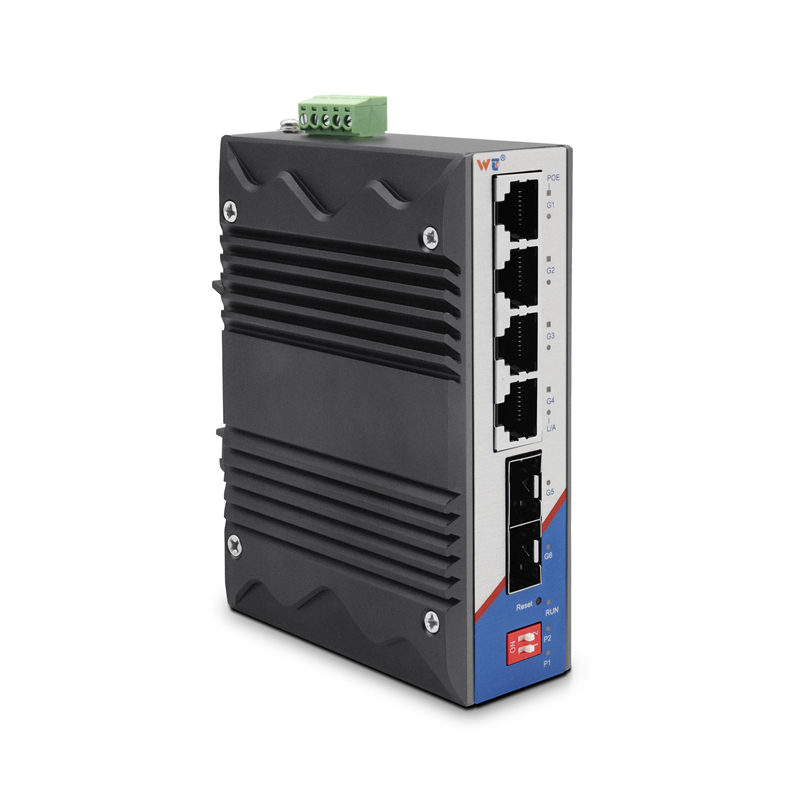
Warranties for AOC assemblies are typically tied to the cable-transceiver bundle and its seller. SFP+ optics rely on the switch vendor’s compatibility matrix. If vendor diversity matters to your procurement policy, SFP+ SR plus multimode fiber gives more options; if you want a single-source support path for rapid replacement, AOC often simplifies escalation. Consider also the switch firmware compatibility lists when you buy an oem ethernet switch—mismatched optics can be a hidden time sink.
Operational teardown and the practical checklist
In an operational production teardown you should document connector types, expected link lengths, and power budget. Embed {main_keyword} and {variation_keyword} into asset tagging and procurement records so replacements are unambiguous. Typical checklist items: link length histogram, spare count per 100 ports, and preferred vendor pairings. This makes lifecycle replacements straightforward.
When to pick AOC vs SFP+ SR—use cases
Pick AOC when racks are dense, cable runs are short (under 7–10 meters), and you need fast, low-risk installs. Pick 10G SFP+ SR with multimode fiber when you anticipate longer runs, want vendor flexibility, or already have structured fiber plant. For mixed environments, consider a hybrid approach: AOC for immediate ToR crossconnects and SFP+ SR for aggregation or inter-room links—this balances cost and future-proofing.
Quick performance and maintenance notes
AOC reduces connector points—fewer reflections and less patching work—but it can increase replacement lead time if your supplier stocks fewer SKUs. SFP+ SR offers hot-swap flexibility and modular spares but requires disciplined fiber management to avoid insertion loss and bend issues. Keep cleaning tools and clear procedures close at hand—small habits cut incidents significantly.
Advisory: three golden rules for selection
1) Measure actual link lengths and port density first—buy to fit, not to guess. 2) Define spare policy: hold spares to cover mean time to repair plus shipping delays, and standardize on either AOC SKUs or SFP+ families. 3) Validate optics on your target switches and document compatibility; include firmware revision and switch model in procurement records. These metrics will reduce downtime and simplify vendor interactions.
Choosing the right balance should logically aim to reduce operational friction and align with procurement practices—this is where WINTOP becomes useful as a practical source for both switch hardware and compatible cabling solutions: WINTOP. —
