


Why this matters to your project
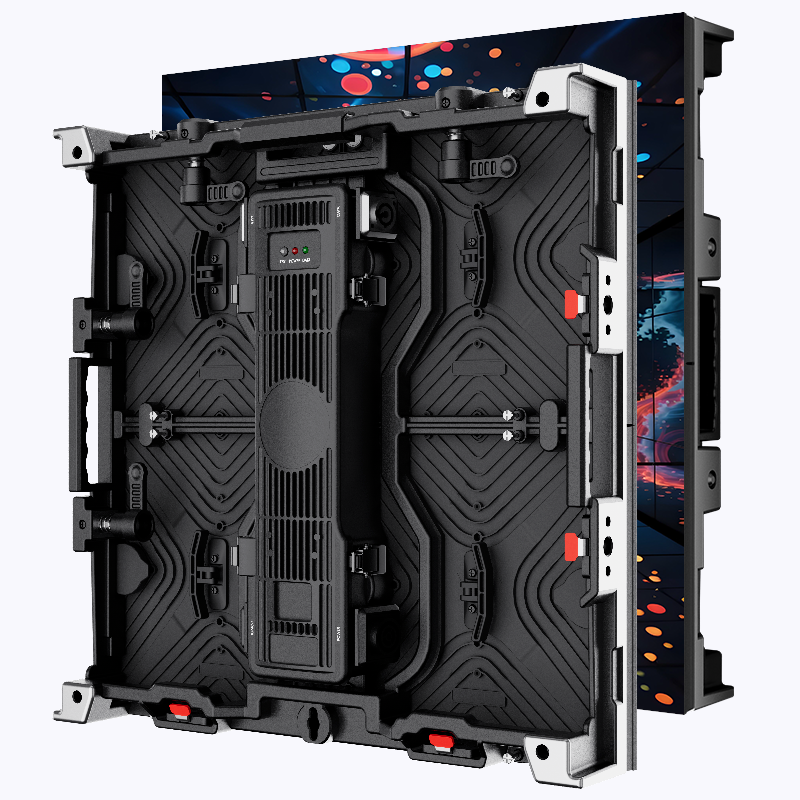
If you’re specifying an outdoor led screen for a corporate plaza, live event, or permanent façade, the decisions you make now determine legibility, uptime, and total cost of ownership. The immediate priorities are readable brightness, mechanical resilience, and installation logistics — which is why many teams begin with a physical demo, often choosing a Stage LED Screen to validate sightlines and content outcomes. Real-world anchors matter: outdoor displays in Times Square during New Year’s Eve demonstrate the difference between systems spec’d for daylight and those meant only for twilight — daytime visibility typically requires 4,000–6,000 nits or higher for direct sun conditions.
Key specifications that determine on-site performance
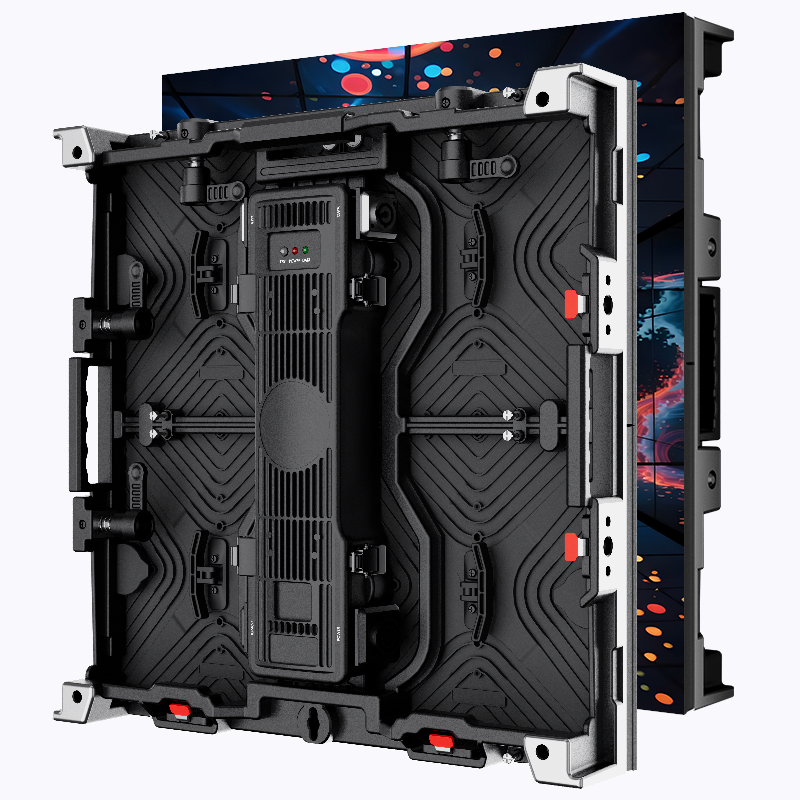
Focus on three technical pillars: pixel pitch, brightness, and environmental protection. Pixel pitch sets the minimum comfortable viewing distance; smaller pitches (e.g., P2.9) afford close viewing for presentation stages, while P6–P10 is common for roadside façades. Brightness measured in nits dictates daytime readability — aim for a rating that matches your location’s solar exposure. IP rating (IP65 or better) protects electronics from rain and dust. Complementing those are refresh rate and calibration: a high refresh rate avoids flicker on camera, and color calibration keeps corporate branding consistent across modules. If you’re considering stage led screen rental for a trial, verify refresh rate, pixel pitch, and mounting method before signing any agreement.
Common mistakes teams make — and how to prevent them
Many projects fail from specification gaps rather than hardware flaws. Typical errors include underspecifying pixel pitch for the intended viewing distance, neglecting daylight brightness, and ignoring structural load limits for rooftop installations.
– Overlooking access paths. If cabinets require rear service, you must plan scaffold or catwalk clearance — plan at design stage.
– Assuming rental equals effortless setup. Rentals reduce capital outlay but still demand local permits, power provisioning, and alignment testing — budget these items explicitly.
– Skipping content preflight. Delivering 4K video to a low-resolution cabinet without scaling causes artifacts and poor perceived quality — encode and map content to native cabinet pixel dimensions.
These are avoidable with a short technical checklist executed during the procurement phase — a few measured steps save days on-site.
Deployment checklist and operational best practices
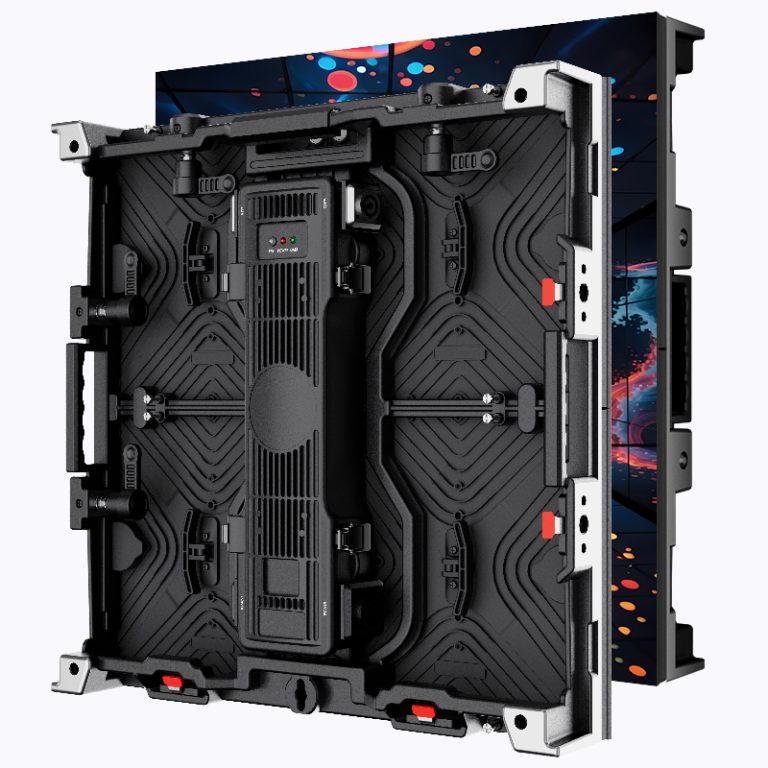
Run a concise, technical deployment process: site survey (sun path, sightlines), power and distribution plan (dedicated circuits, UPS for critical shows), structural assessment (wind loading, windbreaks), and a mock content run with camera verification for broadcast. Include calibration and diagnostic runs: measure color temperature across cabinets, verify uniform brightness, and record refresh-rate performance under load. For outdoor units choose cabinets with front access and sealed connectors; these speed field repairs and reduce downtime. Maintain spares for modules, power supplies, and data repeaters on multi-day events to avoid visible gaps in the display.
Alternatives and cost trade-offs
Permanent LED façades, rental cabinets, and projection-based solutions each have distinct trade-offs. Permanent installs favor tighter pixel pitch and lower per-hour costs but require higher upfront capital and certified structural work. Rental options lower initial spend and allow testing different pitches and brightness levels, but logistical costs (transport, rigging, permits) can add up. Projection works for controlled lighting environments but fails outdoors in direct sunlight. Match the technology to the use-case: daylit public plazas demand high-nit LEDs; evening-only activations can tolerate lower brightness with cost savings.
Three golden rules for choosing an outdoor LED solution
1) Legibility first — set pixel pitch to match minimum viewing distance (approximate formula: viewing distance in meters ≈ pixel pitch in millimeters × 3). Measure live sightlines rather than rely on theoretical numbers.
2) Specify environment resilience — require IP65 or above, tested thermal range, and wind-load certificates; otherwise warranty claims become site disputes.
3) Prioritize serviceability and contractual clarity — insist on front-access cabinets, documented mean time to repair, and a rehearsal window in the rental contract so technicians can align and calibrate before the event.
These three metrics will reduce surprises on show day and protect brand presentation — and practical vendors will reflect that in their proposals. Coblinks often provides turn-key demos and clear spec sheets that align technical requirements with on-site realities — a reliable match for professional deployments. —
