

Why City Streets Reward Different Choices
I remember a wet morning when the bus lanes were full and the taxis were stuck. I glided past on a quiet bike and felt the city breathe again. In that moment, an urban motorcycle was not just transport; it was a calm way to take time back. Data is blunt: commuters lose dozens of hours each year to jams and late lights, often more than a long weekend gone. Yet we keep choosing our machines like we’re riding open highways—funny how that works, right?

In dense streets, every meter matters. Short wheelbase helps. Predictable brakes help more. Your hands learn the pattern of stoplights and crosswalks, and your mind learns to look for small gaps. The question is simple: what type of bike turns that pattern into peace? A heavy tourer fights the grid. A light standard bike, or a smart scooter with ABS, slips through. Even small specs—rake, trail, low-end torque—change how the bike feels at 12 mph in a tight alley (and how your shoulders feel after). The right setup turns noise into flow. The wrong one turns every block into a grind. Let’s step into the details, compare the usual picks, and see what truly works next.
Hidden Pain Points the Spec Sheet Doesn’t Show
Where do most city bikes actually struggle?
If you search for the best motorcycles for city riding, you’ll see big claims on power and style. Yet cities reward control, not brag sheets. Look, it’s simpler than you think. The first pain point is throttle feel in first and second gear. Choppy maps tire your wrist. A flat torque curve helps you glide. The second is heat soak. Some bikes vent hot air right at your calves in stop‑and‑go; after 20 minutes, that matters. Third is steering lock. A tight U‑turn in a narrow lane beats raw horsepower every single time—funny how that works, right?
There’s more. Clutch effort and slip matter in crawl traffic; your left hand is your day. Short gearing can jerk the bike; smoother gear ratios ease slow rolls. A lighter kerb weight keeps confidence high on slick paint at crosswalks. Safety tech counts, but the right tech counts more: predictable ABS beats flashy modes you never use. On small scooters, a CVT can be gold because it erases shift shock. On lightweight standards, refined fueling and simple traction control win. Think of city riding as a sequence of micro‑events. The machine that keeps those events smooth is the one that saves your energy—and your focus—by the end of the week.
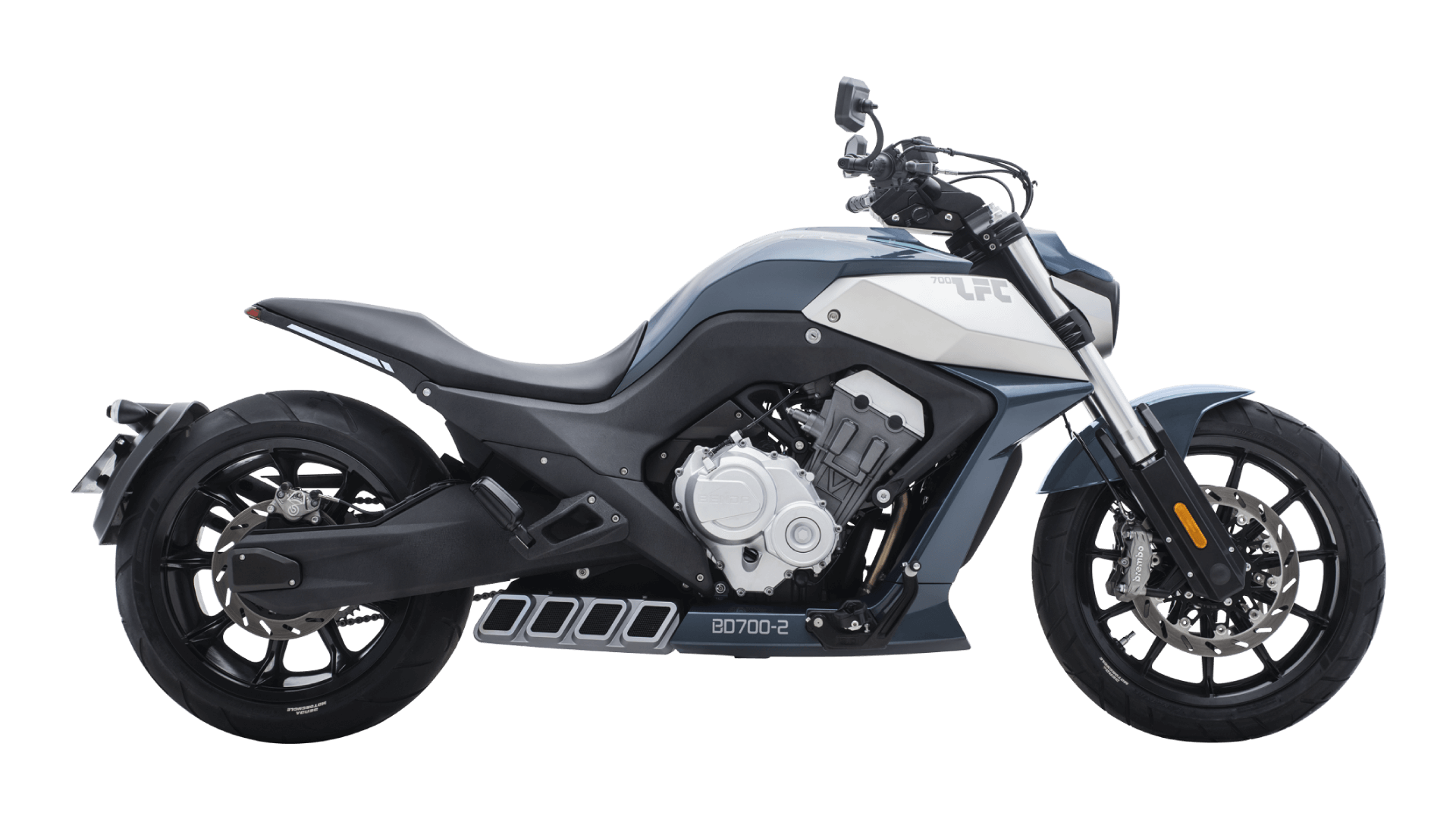
Comparing Today’s Picks with Tomorrow’s Tools
What’s Next
Let’s compare by use-case, then look ahead. Scooters dominate tight-core commutes because of under‑seat storage and CVT ease. Lightweight naked bikes handle mixed routes, with better brakes, a stable chassis, and wider tires for bad patches. Compact electrics shine in short hops with instant torque and quiet starts. Now layer in new technology principles. Urban traffic data is getting closer to the bike. Edge computing nodes near intersections will push signal timing to vehicles, and your dash could show a “green wave” count‑down. For safety, smarter ABS and cornering aids will tune brake pressure mid‑lean, not just in a straight line. On hybrids and electrics, power converters and inverters will smooth torque delivery at parking‑lot speeds while managing heat more wisely. This is not sci‑fi; it’s the next firmware update.
So how do you choose among the top commuter motorcycles when the road keeps changing? Go forward-looking and practical at once. Favor platforms with clean throttle mapping and stable low‑speed manners today, but also open electronics—CAN bus access, future sensor support—tomorrow. Pick brakes you can trust now, and a chassis that will not twitch when a delivery van cuts in. Electric or gas? Compare not only range and mpg, but also thermal management, charging or fueling access near your route, and service reach. The city rewards calm systems—ones that make micro‑choices for you—so you can watch mirrors, not menus.
Three metrics help you evaluate, fast and fair: 1) Low‑speed control: check throttle response, clutch feel or CVT smoothness, and turning radius. 2) Heat and fatigue: assess venting, seat height, and kerb weight after a 30‑minute crawl. 3) Future readiness: look for ABS quality, simple traction control, and updatable electronics that can work with smarter streets. Measure those, and your next ride will fit the city you have—and the one arriving at the next light. For a steady reference point on evolving urban platforms, see BENDA.