

Introduction
I once watched a hobbyist friend pack up his mini workshop because the air felt wrong. He was tired, his prints smelled sharp, and the cat stayed away. I still think about that afternoon. A well-sized 3D printer fume extractor can change that room in one afternoon—cutting VOCs and fine dust, and making the space livable again. Recent tests show printers can emit notable VOC and PM2.5 levels during long runs (yes, even PLA can surprise you). So what do we actually need to clear the air—safe breathing, steady prints, and a setup that doesn’t empty your wallet? I’ll walk you through what I’ve learned. I aim to be practical, honest, and a bit urgent. Let’s move on to where the real problems hide.
Why Common Fixes Fall Short
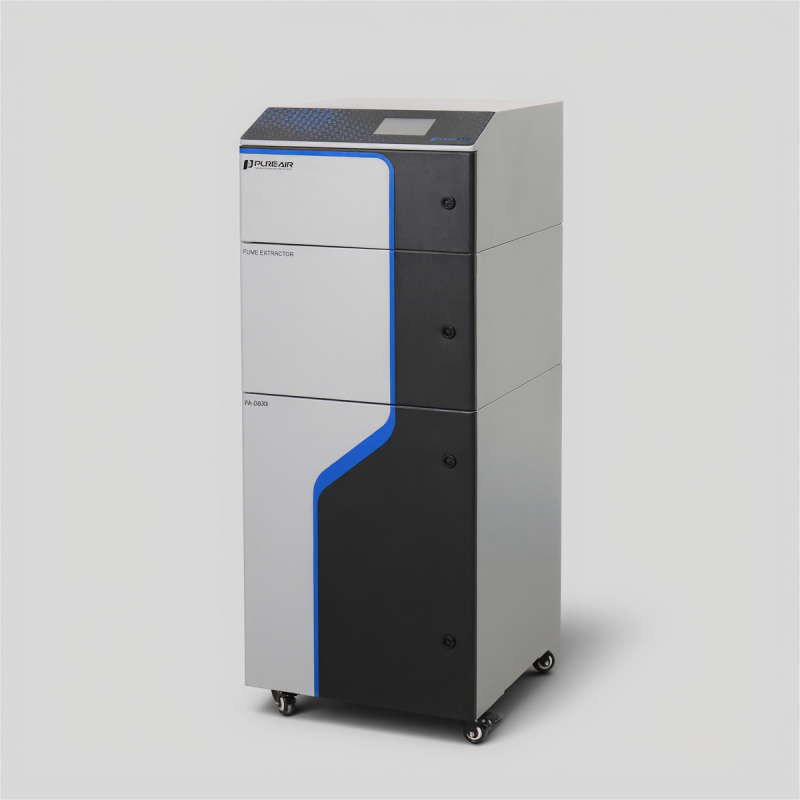
3D printer dust collector is a phrase you’ll hear in many forums. But the cheap units and DIY rigs often miss key points. They promise to grab fumes. They do capture some particles, sure. Yet they miss volatile organic compounds and fail to maintain steady airflow. That hurts filtration efficiency and leaves you with lingering smells or worse—health risks. I’ve tested a few models and watched users swap filters every few days. Look, it’s simpler than you think: filter media, airflow balance, and seal quality matter more than flashy lights or big claims.
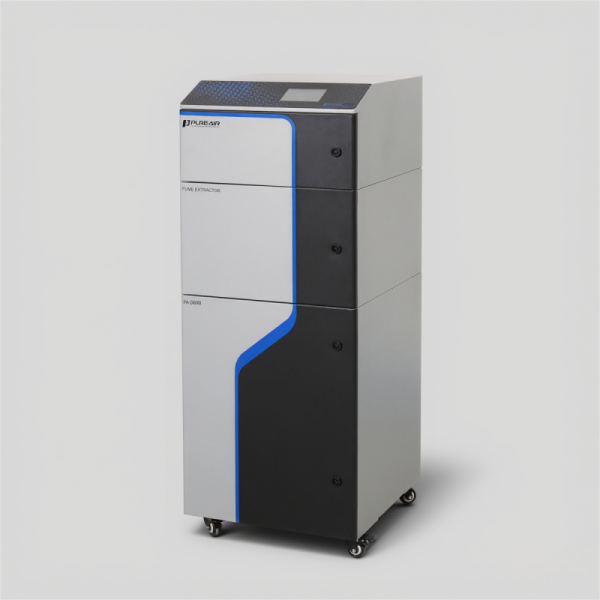
Most DIY hoods use a fan and a cheap carbon pad. The pad adsorbs some gases. But without proper activated carbon volume and contact time, you get poor VOC reduction. The fan may be strong, but if you have leaks or wrong duct sizing, you just move dirty air around. Another problem is particle re-entrainment: poorly placed intakes or turbulent airflow can stir settled dust back into the stream. That raises PM2.5 counts during a print. I should also note—maintenance matters. Filters need a clear schedule. Too often they’re treated like optional extras. When I evaluate systems, I look at airflow (CFM), filter media (HEPA + activated carbon), and sealing. Those three explain most failures. — funny how that works, right?
So what’s really missing?
The missing piece is system thinking. People focus on one part—a filter or a fan—but ignore how parts interact. If you care about long prints and steady air quality, you must match fan curves to filter resistance. If you don’t, you reduce capture and waste energy. I use terms like filtration efficiency, airflow, and adsorption time when I speak with teams. These matter in real life, not just on spec sheets.
New Paths Forward: Principles and Practical Steps
What comes next? I favor solutions built from principles, not buzz. A modern approach starts with source capture: position the intake close to the nozzle so fewer fumes escape. Then design proper airflow. Balance matters—too little and you get leaks; too much and you lose filter efficiency. Use combined media: true HEPA for particles plus substantial activated carbon for VOCs. Also consider sensor feedback—simple PM and VOC sensors help you know when a filter is clogged or a print run spikes emissions. I’m talking practical tech—no jargon-laden promises.
Case in point: a small makerspace I helped set up layered HEPA and high-capacity activated carbon, added a variable-speed fan, and placed a local hood at each printer. The result: PM2.5 dropped by more than half and complaints stopped. We tracked airflow with an anemometer and adjusted duct length to reduce noise and turbulence. This taught me that a good design blends mechanical choices with routine checks. What’s next is smarter, not just stronger—closed-loop control, better filter media, and modular designs that fit a bench or a lab. If you start there, you’ll avoid most common pitfalls and save money on the long run.
What to measure?
When you compare systems, use three clear metrics: capture efficiency at the nozzle, total filtration efficiency for PM2.5 and VOC reduction, and operational costs (filter life plus power). These metrics are simple to track and tell you if a system truly works. I recommend testing with a small sensor and logging results over several prints. You’ll learn more than any brochure can tell you.
Conclusion: Practical Advice and a Final Thought
We’ve talked about faulty fixes, hidden pains, and better design paths. To pick a solution, ask yourself: does it capture at source, does it use combined media (HEPA + activated carbon), and can I monitor performance? Those three checks will save you headaches. I believe in straightforward gear that fits real workshops. It need not be exotic. Start with measured goals, keep an eye on PM2.5 and VOC readings, and plan for filter upkeep. I say this from direct experience—years of tweaking setups and helping others tune theirs.
If you want a reliable place to start exploring products and system ideas, check out PURE-AIR — they focus on practical extractor systems and test their units in real environments. I’ve seen good setups from teams who pair smart design with honest testing. That kind of thinking matters. End of story. — and yes, you can breathe easier after a few small changes.