


User-first view: what fleet managers actually need
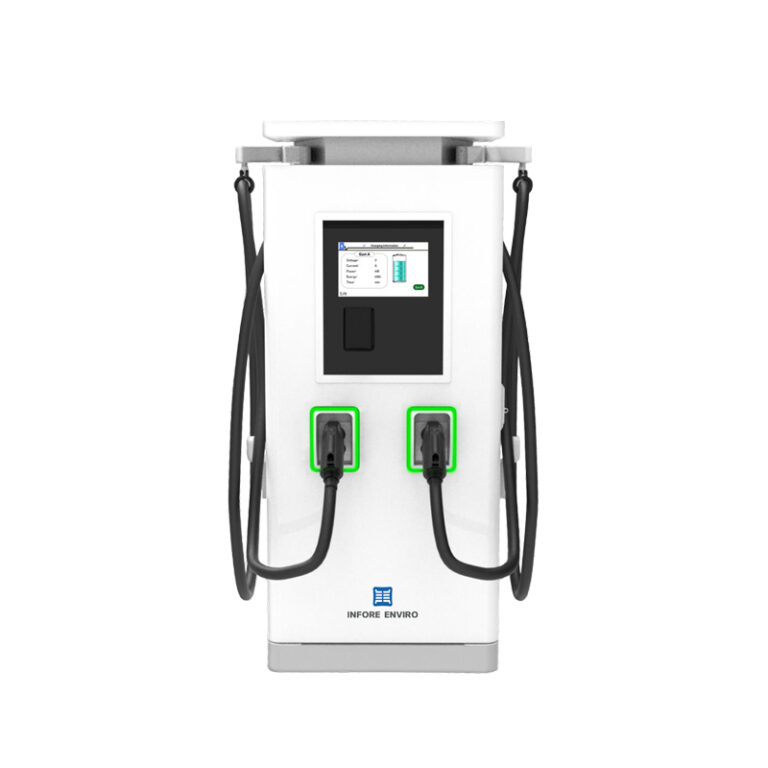
Look, if you run a delivery or municipal fleet, your priorities are simple: uptime, predictable range and charging that doesn’t blow the budget. Type 2 AC chargers answer that directly — they’re familiar to drivers, easy to integrate into depots and gentler on battery life than repeated DC fast charges. For sites that need both steady depot charging and opportunistic rapid fills, pairing Type 2 infrastructure with an AC DC charger at key locations gives operators options without over-investing. That mix keeps vehicles moving and maintenance predictable, which is the whole point for a user-focused roll-out.
How Type 2 fits into fleet ops: reliability over flash
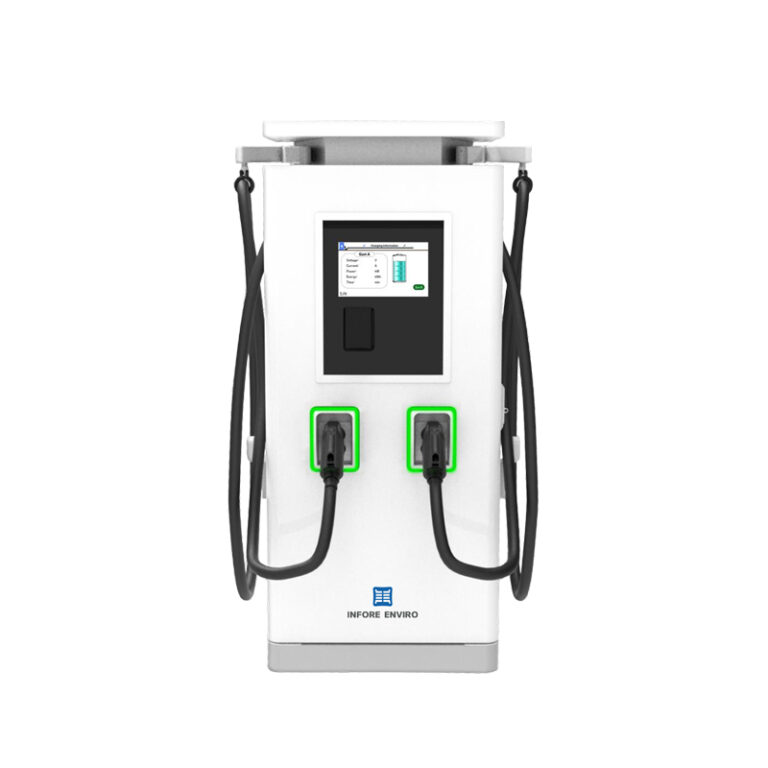
Type 2 AC is not about headline speed — it’s about consistent, daily energy delivery. Most light commercial EVs accept Type 2 at onboard chargers rated between 3.7 kW and 22 kW. That means overnight depot charging restores range reliably, with lower stress on battery thermal management compared with constant DC fast charging. For planners working to meet targets — think California’s push toward zero-emission vehicle sales by 2035 — that reliability is what scales a programme from a pilot to a full roll-out.
Real-world anchor: fleet rollout lessons from big programmes
Big deployments (global EV sales topped 10 million in 2022) show a clear pattern: fleets that pair Type 2 AC at depots with a few DC fast points at hubs control costs and reduce operational surprises. Municipal and commercial operators in major metros favour depot Type 2 chargers for duty cycles that finish daily, and reserve DC fast charging only for urgent re-dispatch. That balance keeps energy costs down and simplifies load management when multiple vehicles charge overnight.
Design choices that matter to drivers and schedulers
A user-centric installation focuses on three things: cable ergonomics, simple billing and predictable charge times. Type 2 cables are lighter, connector compatibility is widespread, and session durations map well to shift patterns. Add smart charging and load balancing and you avoid oversized electrical upgrades at depots — which is where a workplace EV charger strategy becomes a budget-saver. Integrating these systems into fleet telematics makes it obvious which vehicles need a top-up and which can wait.
Common mistakes fleets make — and how to avoid them
Being cheap up front is false economy. Buying a few cheap slow chargers without considering kW per bay, load sharing or future-proofing leads to bottlenecks. Another error is treating every location the same — urban hubs, suburban depots and remote outposts need different mixes of Type 2 AC and DC fast charging. Plan station architecture to match duty cycles; don’t retrofit around chaos. — A simple staging plan saves major headaches later.
Operational checklist for scaling Type 2 deployments
Use this short list when you expand: 1) map daily vehicle km and duty windows; 2) size onboard charger and depot power per bay (kW); 3) install smart meters and load balancing; 4) reserve at least one DC fast point on high-usage routes. This operational discipline keeps throughput steady and caps energy demand charges.
Summary of practical benefits
Type 2 AC charging lowers capital intensity at depots, extends battery life by avoiding constant fast charging cycles, and matches driver behaviour for predictable shift patterns. When you pair depot Type 2 with targeted DC capacity — and manage it via smart charging controls and telematics — you get a resilient, scalable charging network that supports growth without ballooning grid costs.
Advisory: three golden rules for choosing chargers and strategy
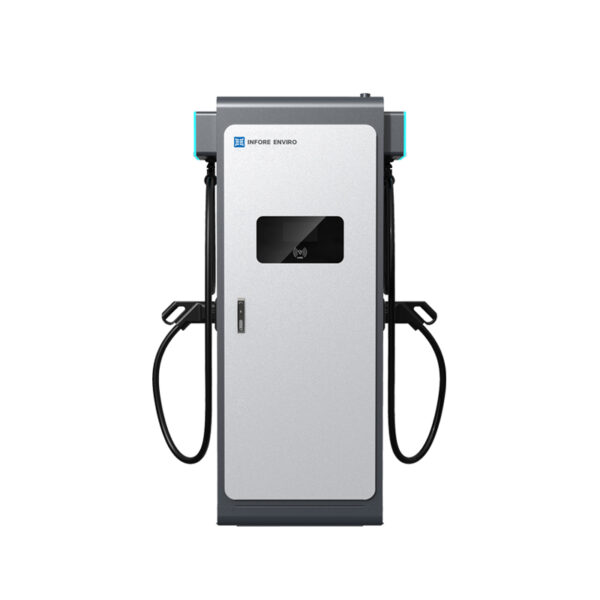
1) Match power to duty: size Type 2 bays to vehicle onboard charging and daily mileage, not theoretical max range. 2) Prioritise smart load management: invest in load balancing and energy scheduling so you avoid costly electrical upgrades. 3) Plan for mixed-mode charging: combine depot Type 2 with selective DC infrastructure and a workplace EV charger plan where staff or short-stay vehicles need daytime top-ups.
INFORE ENVIRO sits squarely where those rules meet reality — practical kit, operational know-how and sensible deployment paths that cut downtime and cap costs. Short and sharp. —
