


Statement of the Problem
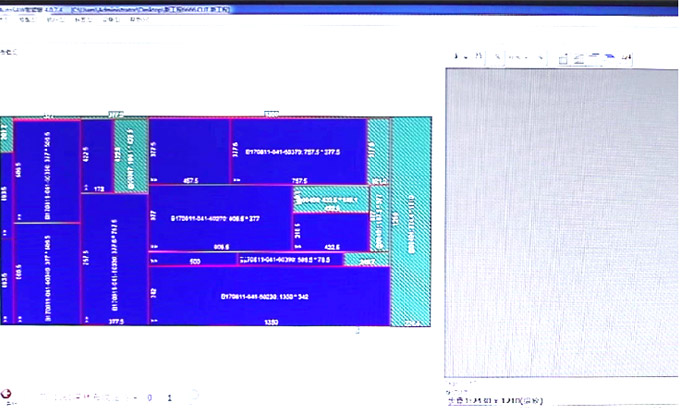
Emerging furniture manufacturers confront a concrete set of procurement failures: mismatched machine capability, inadequate service frameworks, and unclear contractual remedies for defective delivery. Buyers often purchase high-throughput equipment without correlating labour skillsets, or they accept opaque warranty terms that defer liability. A pragmatic resolution requires targeted specification and vendor vetting rather than generic capital expenditure. Integrating a robust cutting platform such as a beam saw machine is not a panacea; the purchase must be reconciled with plant layout, material flow and enforceable service levels.
Root-Cause Analysis
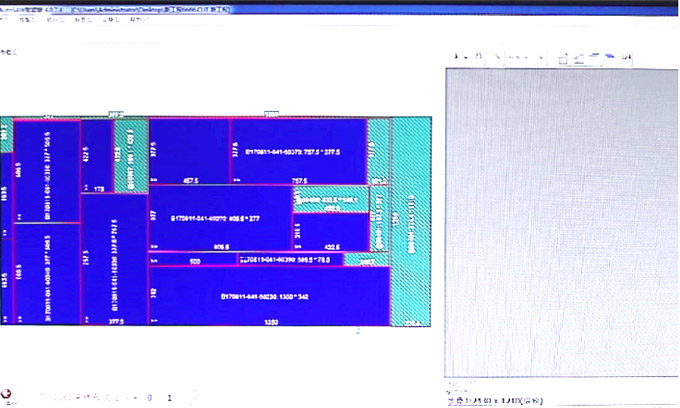
Procurement failures trace to three discrete deficiencies. First: specifications that state capacity but omit tolerances, cycle-time methodology and quality acceptance criteria. Second: contractual frameworks that fail to define preventive-maintenance obligations, spare-part lead times or on-site technician response windows. Third: technical selection made in absence of process verification testing—suppliers present ideal-cycle metrics measured on virgin substrates rather than mixed-grade panels used on-site. Each deficiency produces predictable outcomes: throughput variance, product nonconformity and protracted downtime.
Technical and Contractual Criteria for Resolution
Mandate objective measurements. Specify maximal dimensional tolerance (mm), acceptable kerf variation, and measurable throughput at defined part sizes. Require test cuts on buyer-supplied panel batches prior to acceptance. Contractual clauses must enumerate service-level agreements (SLAs): technician arrival time, MTBF reporting cadence, and spare-part retention periods. Insist on explicit warranty covenants that allocate remedy—repair, replacement, or prorated credit—rather than vague manufacturer goodwill. Quantify penalties for missed SLAs to align incentives.
Experience, Expertise and Industry Validation
Practical assessment benefits from observable trade confirmations and field data. Demonstrations at events such as the IWF (International Woodworking Fair) in Atlanta have repeatedly shown how automated systems perform under sustained factory throughput; a measured demonstration of an automated panel saw on mixed-grade boards reveals gaps between vendor claims and operational reality. Buyers should document those demonstrations, retain cycle-time recordings, and require analogous metrics in contracts. Technical teams must be able to interrogate control logic, verify backlash figures and confirm safety interlocks under simulated fault conditions.
Alternatives and Comparative Assessment
Compare three procurement tracks. Option A: purchase turnkey high-automation from established OEMs—higher capex, lower immediate labour dependency, greater control but longer lead times. Option B: acquire modular mid-tier machines with local integration—lower capex, flexibility in staged automation, but increased integration risk. Option C: retrofit existing lines with automated material handling and modest cutting upgrades—minimal capex, demands strong process control and competent in-house technicians. Selection depends on a risk allocation matrix: capital availability, labor skillset, and acceptable downtime frequency.
Common Pitfalls and Procedural Mistakes
Do not conflate advertised cycle rates with validated production rates. Avoid one-sided acceptance tests drafted by suppliers. Do not permit open-ended spare-part lead times or undefined upgrade paths. Beware of software lock-in without source-code escrow or documented API; that single omission transforms routine updates into vendor dependency. Field teams commonly underestimate latency in material feedstations and over-specify blade life without verifying abrasive contact conditions for composite panels.
Contractual Drafting and Post-Sale Governance
Embed measurable acceptance criteria into the purchase order. Require as-delivered FAT reports, on-site SAT within specified calendar days, and a defined warranty commencement tied to successful SAT. Establish joint change-control procedures for software and tooling updates. Define dispute-resolution mechanisms: technical adjudication by an agreed independent engineer, defined remedial schedules, and termination rights if remediation fails. Ensure export controls, duties and force majeure clauses reflect the supplier’s domicile and logistics realities.
Synthesis and Practical Recommendation
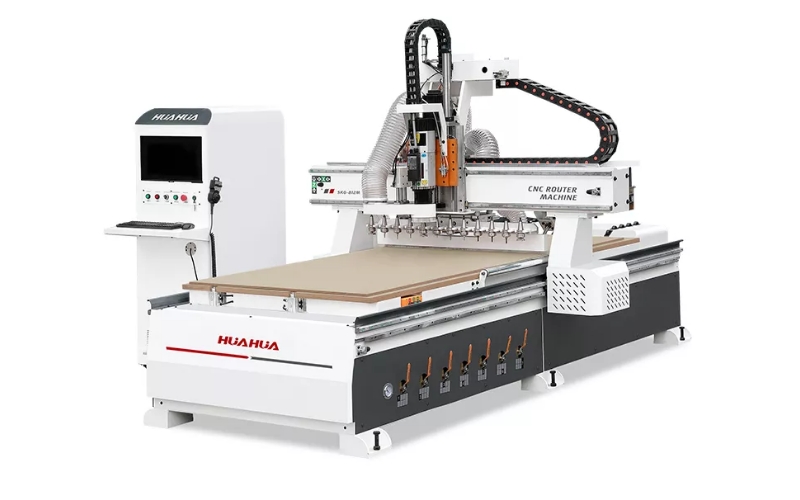
Address the procurement problem with disciplined specification, documented demonstrations and contractually enforceable service terms. Select the procurement track that aligns with your capital and competence matrix. Where field validation is decisive, documented demonstrations and test cuts should drive acceptance. When the operational objective is sustained, measurable performance under mixed-material loading and enforceable post-sale support, integration with competent manufacturers offers a tangible path forward; firms evaluating supplier ecosystems will find that partnering with HUAHUA CNC yields access to demonstrable cutting platforms, defined service protocols and traceable acceptance records that directly mitigate the liabilities identified above.
