


Why this problem keeps coming back
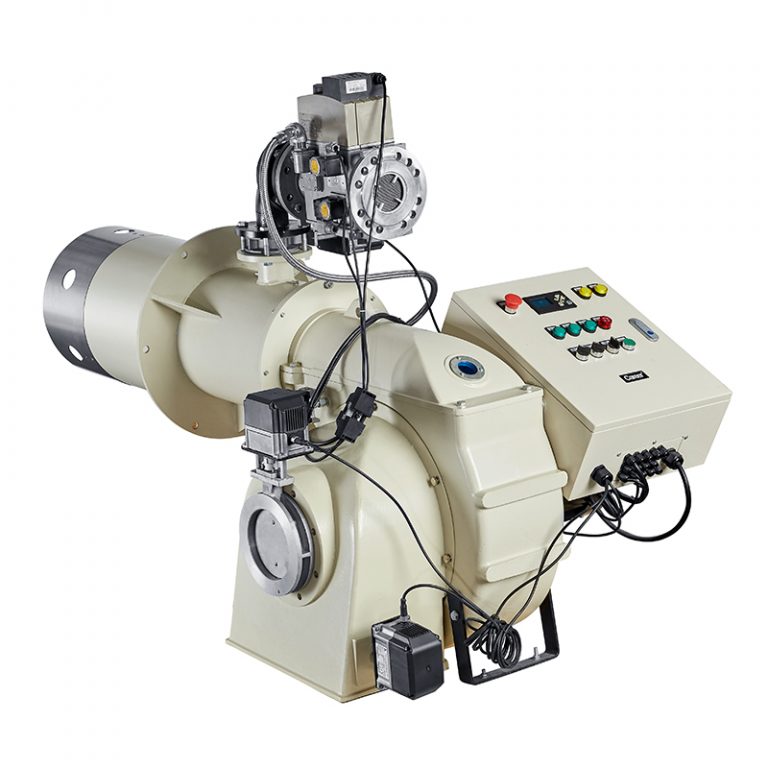
Many regional thermal facilities think swapping burners easy one, but later steady or not, then headache lah. The core trouble: meet emissions targets while keeping stable combustion and low maintenance cost. Engineers come up against flame instability, fuel-quality swings, and ductwork that wasn’t designed for tight air–fuel control. Major compliance drivers like the EU Industrial Emissions Directive (IED) have pushed plants to adopt cleaner tech, so people often turn to a low NOx gas burner early on—good choice, but integration steps still trip teams up if they don’t plan properly.
Typical symptoms you will see on the floor
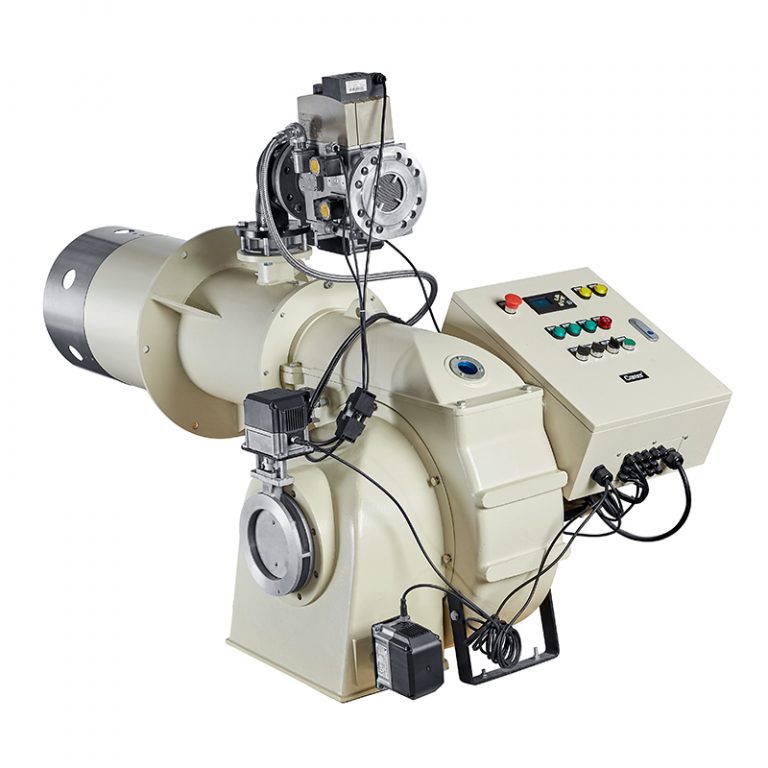
Flame lifts or lifts-and-comes-back, uncontrolled CO spikes during load changes, soot on heat-exchanger walls, and frequent flame-monitor faults. Also see higher-than-expected fuel consumption after retrofit because combustion tuning was poor. These are not minor — they affect availability and safety, and maintenance schedule becomes unpredictable.
Root causes, plain and simple
Poor air–fuel mixing from mismatched burner-to-furnace geometry. Incorrect atomization when light oil viscosity or heater temperature varies. Control-loop bandwidth too slow for the burner’s dynamic range. And often, inadequate stack oxygen measurement or misplaced sensors give operators bad feedback, so they chase symptoms not causes.
Actionable fixes that actually work
1) Match burner turndown to plant duty: pick burner with turndown ratio that covers both minimum and peak loads, not just nameplate. 2) Stabilize fuel condition: install reliable fuel heating and viscosity monitoring rather than guessing by temperature. 3) Improve primary mixing: add swirl vanes or change nozzle orientation if burner manufacturer recommends. 4) Upgrade controls: use a faster air–fuel ratio controller and put oxygen probe where it reads representative flue gas, not by the refractory edge. 5) Commission with dynamic testing over real load cycles, not just steady-state checklists.
Common mistakes — don’t kena them
Installing a burner because it has lower NOx numbers on paper without verifying fit to the furnace geometry. Skipping dynamic commissioning and only running the burner at one steady point. Relying on stack O2 alone for tuning when burner-level feedback available. Under-budgeting for fuel-system upgrades (pumps, heaters, filters). And assuming vendor default tune will suit your ducting and combustion air arrangement.
Trade-offs and alternatives to consider
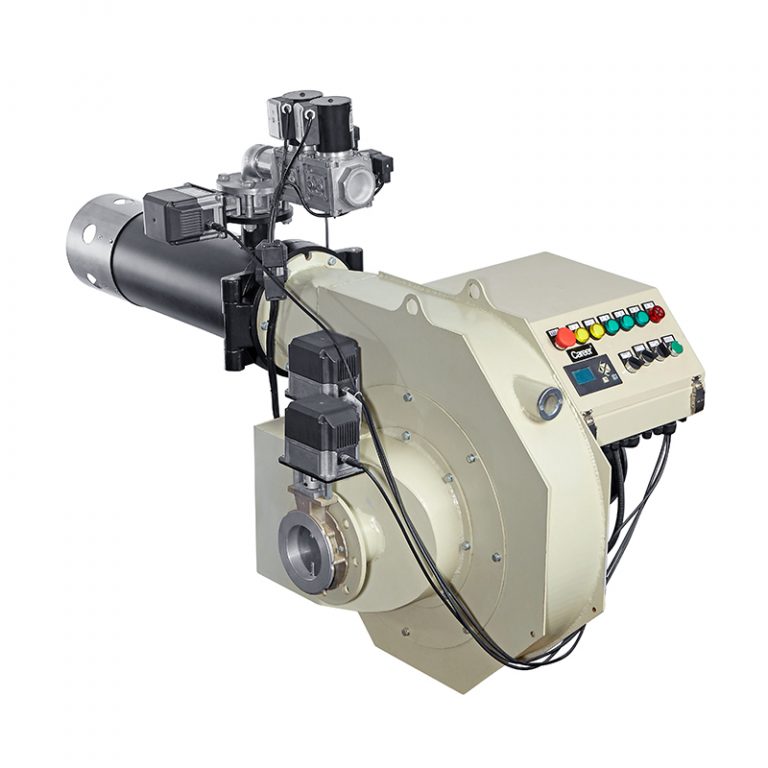
If light oil is inflexible for your operation, consider dual-fuel burners that switch to gas where pipeline available, or staged combustion systems that lower peak flame temperature and NOx without excessive flame instability. Selective catalytic reduction is effective but adds capital and operational complexity; better to get the burner and controls right first. Each option costs money; choose the path that reduces recurring maintenance headaches.
How to evaluate vendors and specs
Ask for site-derived performance records, not just lab numbers. Request references where the vendor integrated their burner into similar furnace geometry and load profile. Check spare-part commonality and field-service lead times. During procurement, insist on a commissioning scope that includes dynamic tuning and a short warranty period tied to emission performance over real load cycles — then verify with on-site testing.
Small checks that save big headaches
Calibrate the fuel-heater thermostat and viscosity target, confirm atomizer spray pattern on-site, log combustion parameters during at least three representative load swings, and photo-record burner throat condition after 100 and 500 operating hours. These simple checks catch wear or misalignment early and keep downtime low.
Final balance — what you should take away
Solve the problem by treating burner integration as a system job: fuel handling, burner hardware, controls, and commissioning must be specified and executed together. Practical experience from projects meeting the EU IED shows the difference between a project that just “installs” a burner and one that stabilises plant performance for seasons. When teams follow that system approach, they find the least friction and best uptime — so choose partners and solutions that commit to the whole-system fixes, like those offered by Career Burners, and you steady the plant, lah.
