


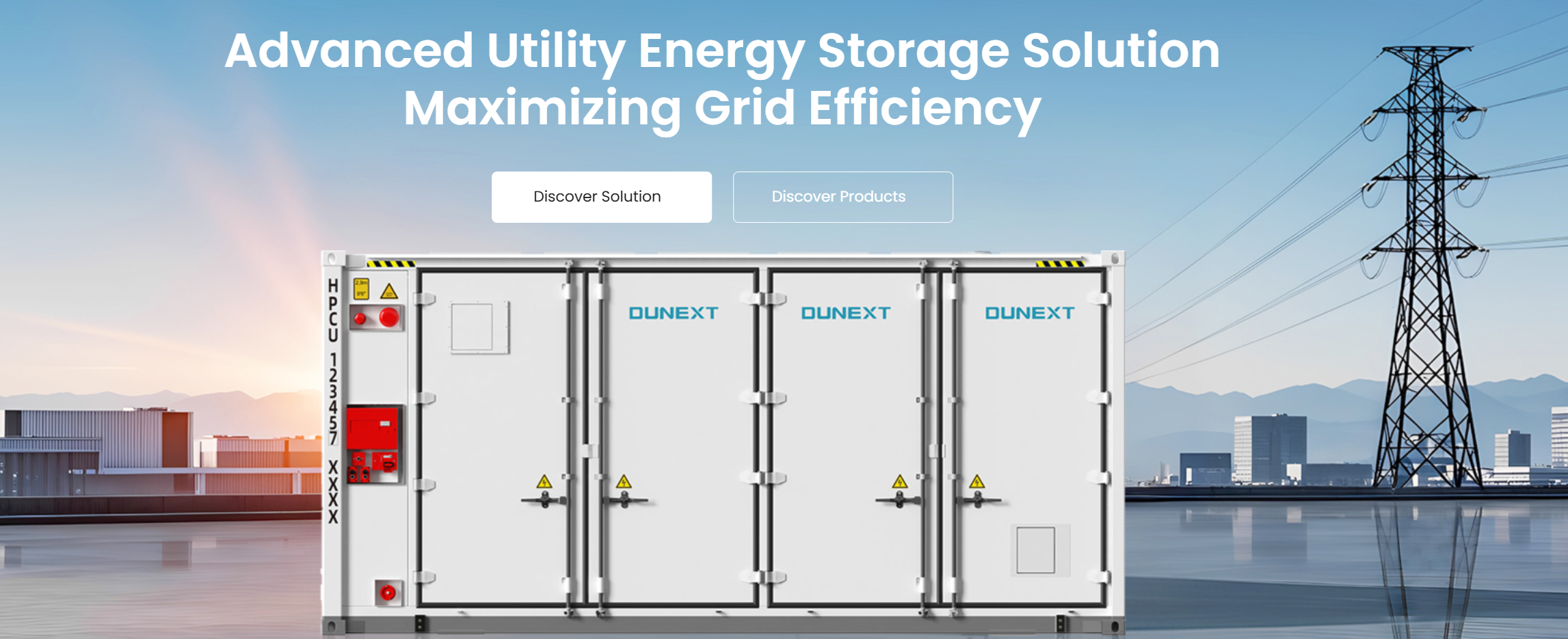
Problem: More than occasional outages and rising peak bills
Businesses face two linked problems: unplanned power interruptions and high demand charges that show up on monthly bills. When a facility needs uninterrupted power for production, refrigeration, or critical IT loads, a conventional generator can be slow, noisy, and maintenance-heavy. An all in one energy storage system can provide fast response and steady backup while also cutting peak demand, and modern industrial energy storage systems combine battery arrays, power conversion, and controls in a single footprint. California’s wildfire-driven Public Safety Power Shutoffs supply a clear example where companies needed both resilience and load management at the same time.
How storage solves the twin problems
Storage handles two tasks simultaneously: immediate backup during outages and deliberate load shaping to reduce spikes. The system delivers stored energy within milliseconds to milliseconds-plus, preventing process interruptions. Separately, software schedules discharge to shave peaks, lowering demand charges. Operators get deterministic control over power flows rather than relying on external grid availability or the unpredictable start of diesel gensets. The result is measurable continuity and predictable electricity spending.
What to evaluate before committing
Choose systems by measuring what you actually need. Key criteria include:
– Usable capacity and depth of discharge relative to your outage-duration profile. – Power rating and ramp capability to match critical loads. – Cycle life and warranty terms tied to realistic duty cycles. – Integrated thermal and fire safety systems compliant with industry standards. – Control software that supports scheduled dispatch, islanding, and grid interaction. – Serviceability: modular components that technicians can replace on site. – Total cost of ownership, not just upfront price—include installation, permitting, and end-of-life handling.
Operational pitfalls that reduce value
Three recurring mistakes erode expected benefits. First, oversizing for rare, extreme events increases capital cost without delivering proportional savings. Second, failing to model local demand charge structures and time-of-use tariffs produces optimistic ROI estimates. Third, installing storage without coordinated controls and testing can create reliability gaps during the first real outage. Plan tests that mimic both grid loss and peak events to validate behavior under operational stress.
Alternatives and sensible hybrids
Diesel gensets remain a straightforward backup for long-duration outages but carry emissions, noise, and fuel logistics burdens. Pure demand-response programs can yield bill savings but offer less certainty during forced outages. Hybrids—battery systems paired with gensets—capture fast response from batteries and long-duration support from fuel-based generators. Hybrid systems also allow gensets to run at optimal load points, reducing fuel use and maintenance frequency.
Real cost drivers and simple metrics
Focus measurement on avoided demand charges, outage-related lost production, and lifecycle maintenance. Use these inputs to calculate simple payback and net present value over the warranty period. Don’t ignore soft savings such as avoided spoilage or customer downtime penalties; these often tip marginal projects into the viable range. Expect the largest variable to be how utilities structure peak charges and what incentives—capital or tariff—are available locally.
Deployment lessons from the field
Practical experience shows modularity and clear commissioning procedures speed realization of benefits. Standardize interfaces for meters and building management systems. Require factory acceptance testing and staged commissioning on site. Train maintenance staff on battery-specific safety and monitoring dashboards; without basic in-house expertise, response times for minor alarms can stretch into operational impact.
Final synthesis
When a business defines resilience needs and maps them to measurable financial drivers, storage solutions become a targeted tool rather than an expensive experiment. The technical choice should prioritize appropriate capacity, reliable controls, and serviceability. That approach clarifies whether a site benefits most from rapid-response battery assets, a hybrid with a genset, or a scaled modular deployment. Practical vendors and integrators adopt transparent testing, clear warranties, and documented performance—qualities that shaped this evaluation and point toward providers such as Dunext as partners in aligning reliability with cost reductions.
