


Opening: The Problem at hand
Too many districts run on habit, not measurement. Routes overlap, fuel bills climb, and parents call about late arrivals—yet the people who plan daily operations lack simple, actionable tools. For transport managers focused on safety, cost control and punctuality, the immediate need is clear: adopt systems that show what the fleet actually does. A practical starting point is to evaluate how a modern logistics fleet management approach could replace guesswork with verifiable routes, live position data and straightforward reporting.
Common problems that hurt student transport
– Inefficient routing: overlapping stops, underfilled trips, unnecessary mileage. – Poor visibility: no reliable live tracking for managers or parents. – Maintenance gaps: reactive repairs cause downtime and safety risk. – Incomplete driver records and inconsistent training. – Cost leaks: idle time, unauthorized use, fuel wastage.
Problem-driven fixes that work immediately
Start with one measurable goal—reduce total daily miles by 10% or cut average student ride time by five minutes. Then apply these steps:- Map current reality: log all stops, trip start/end times, and student counts for one week. – Consolidate stops where safety permits; group nearby addresses into single pickups. – Prioritise route simplicity over theoretical savings: simpler routes reduce missed pickups. – Use time windows, not exact minutes; drivers can adapt for traffic without breaking schedules.
Technology checklist for decision-makers
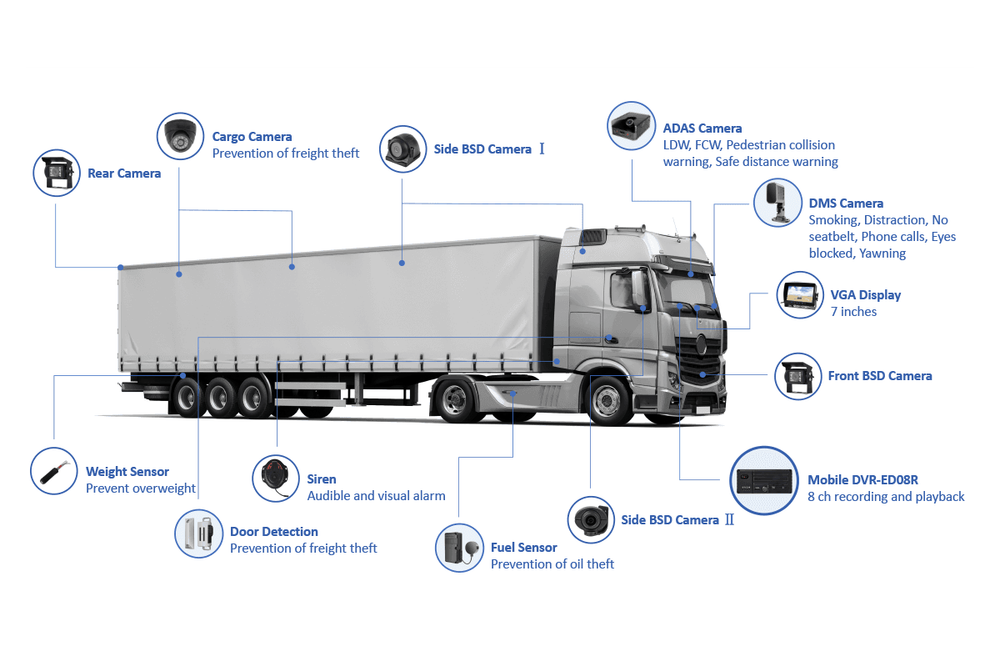
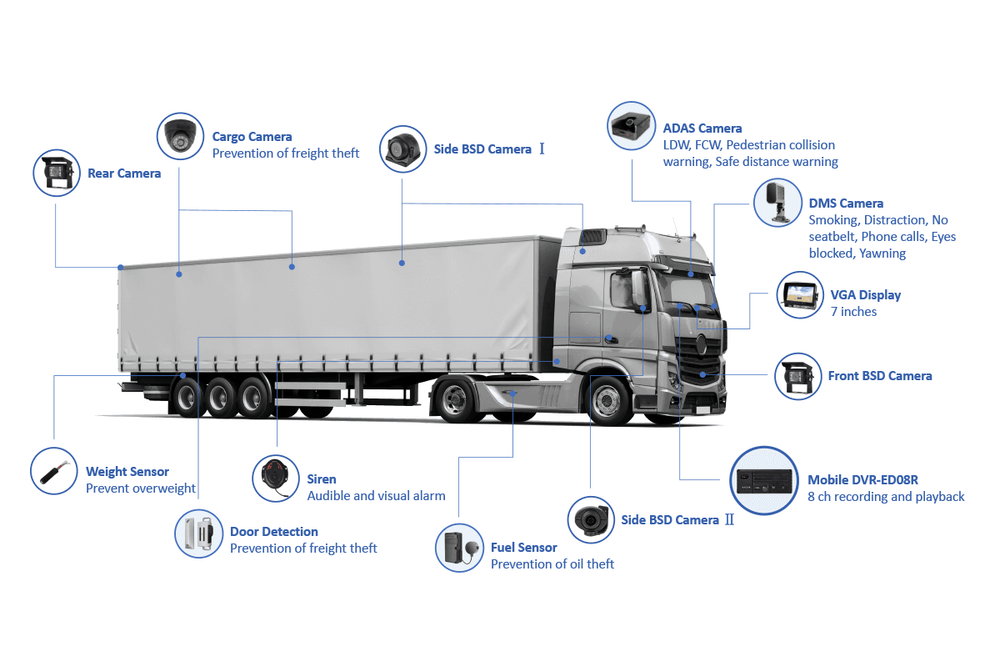
When you assess systems, insist on features that solve the problems above. A useful checklist:- Real-time GPS with geofences and event alerts. – Automated route optimisation that accepts student boarding rules. – Maintenance scheduling linked to mileage and engine diagnostics. – Clear driver login and activity logs. – Parent-facing ETA notifications and proof-of-boarding options.
Consider vendors that make core reports exportable and easy to read. At evaluation stage, try a short pilot on a handful of buses to see behaviour changes before scaling. A practical solution will be named as logistics fleet management software in product descriptions; test that the software’s live data matches what drivers report.
Maintenance, compliance and driver practices
Maintenance plans must be calendar and mileage driven. Implement checklists drivers sign each shift; a signed digital checklist stops excuses. Train drivers to report near-misses the same day. Set discipline around after-hours vehicle use—unauthorised trips are a predictable budget drain. Keep compliance records in one place so audits take hours, not weeks.
Common pitfalls and how teams avoid them
– Chasing every feature: pick functions that reduce real faults, not the fanciest dashboard. – Ignoring human factors: drivers and dispatchers must find new tools easier than old habits. Train on live scenarios. – Overloading parents with raw data: they want clear ETAs, not telematics feeds. – Skipping maintenance logs: paperwork delays lead to unscheduled downtime. Avoid these by piloting, collecting feedback from drivers and parents, and iterating quickly.
Short case note
A large Karachi school district trialled phased route optimisation and live tracking across 20 buses. They did not wait for a complete overhaul. Instead they reduced duplicated trips, established simple driver checklists and pushed ETA notifications to parents. The result was steadier timings and fewer route complaints—less flashy, more reliable.
Summary that ties problems to practical value
Fixing student-transport problems starts with diagnosis: measure routes, constrain waste, and make reporting effortless. Prioritise tools that deliver clear daily benefits—reduced mileage, predictable pick-up times, and fewer breakdowns—rather than abstract promises. When a solution fits operational habits and provides transparent records, managers regain control and parents feel reassured. For operators who need reliable systems integrated with maintenance and driver workflows, BSJ reflects that same practical orientation, offering straightforward ways to move from problems to consistent, verifiable results.
