

Problem first: why mixing vendors fail kitchens and plants alike
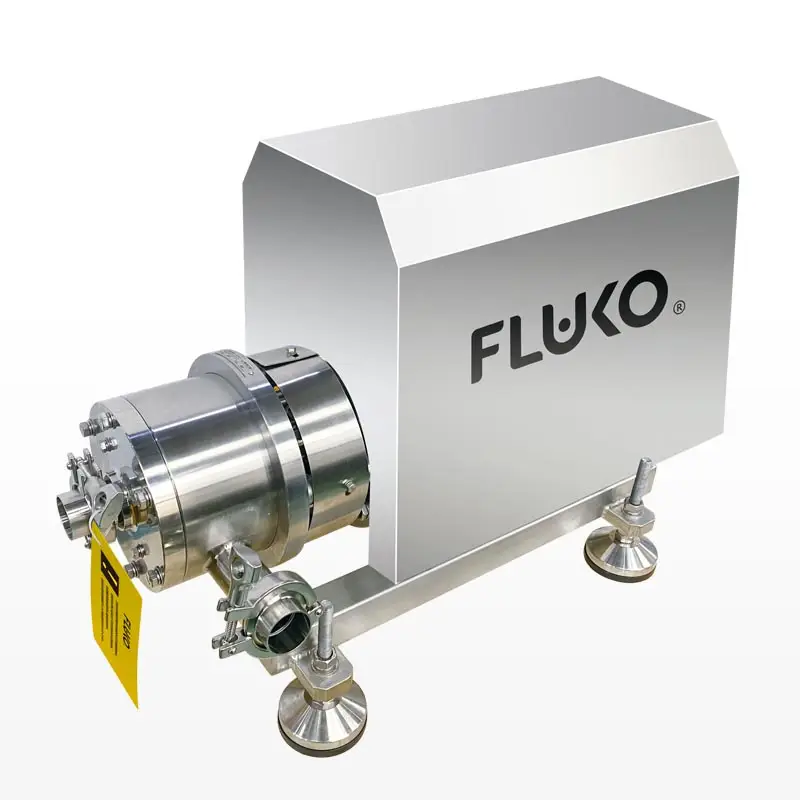
A broken emulsion tastes like failure; a pilot run that won’t scale costs time and money. The core problem is simple: specifications on paper rarely translate to predictable performance on the bench or in production. Choose the wrong vendor and you’ll face undersized torque, imprecise shear, poor cleanability, and incomplete documentation. When you evaluate a candidate, think like a test kitchen—know the recipe and the tool. A trusted Laboratory mixer must reproduce a formula consistently, not just look polished in a brochure.
Critical specs that reveal manufacturer competence
Ignore marketing blurbs. Check measurable items: materials (316L vs generic stainless), surface finish (Ra ≤ 0.8 µm for hygienic contact), rotor-stator tolerances, motor torque curve, maximum shear rate (s⁻¹), and proven flow ranges. Ask for documented validations: particle size distribution (D10/D50/D90) from representative runs, power consumption vs viscosity curves, and repeatability data (coefficient of variation). Confirm control features: closed-loop speed control, temperature monitoring, and clean-in-place (CIP) compatibility. Regulatory marks matter: ISO 9001 shows process discipline; GMP and FDA 21 CFR familiarity matter when your output enters regulated supply chains. For hazardous mixes, verify ATEX or equivalent certification. These are the technical line items that separate a kit from an engineered tool.
Practical tests you must demand before signing a PO
Factory Acceptance Tests (FAT) and Site Acceptance Tests (SAT) are non-negotiable. Run the vendor’s machine with your worst-case formula, not a watered-down demo mix. Measure torque vs time, particle size distribution after fixed intervals, and temperature rise under typical load. Request motor stall current curves and verify shaft deflection at operating RPM. Insist the vendor provides wiring diagrams, spare-parts lists with part numbers, and a maintenance manual that includes service intervals and torque specs for fasteners. If possible, get a week-long rental or a loaner for pilot batches. A single successful FAT that includes your recipe beats any sales pitch.
Common pitfalls that disguise poor reliability
Vendors hide risks behind gloss. Watch out for these slips: quoted shear rates without defined geometry; material claims without mill test certificates; “easy clean” claims without access to disassembly diagrams; warranty clauses that void with minor modifications; and service networks that evaporate after installation. Another trap: vendors quoting nominal flow rates without specifying viscosity window. That’s like a whisk rated for “all sauces” but breaking on hollandaise. Ask how they handle abrasion from fillers, and how seals and bearings are specified for your chemical profile—ask for Mean Time Between Failures (MTBF) data where available.
Testing metrics that give you objective answers
Turn sensory judgments into numbers. Use particle-size analyzers to capture D50 and D90 after fixed processing times. Record coefficient of variation across sequential batches to prove repeatability. Capture energy per unit mass (kJ/kg) to compare energy efficiency. Plot shear rate versus droplet size for emulsions; a manufacturer should supply characteristic curves. For scale-up, compare dimensionless groups—Reynolds and Tip-Speed—to ensure geometry-driven scaling, not guesswork. These metrics turn vendor claims into verifiable performance.
Alternatives and real-world anchoring
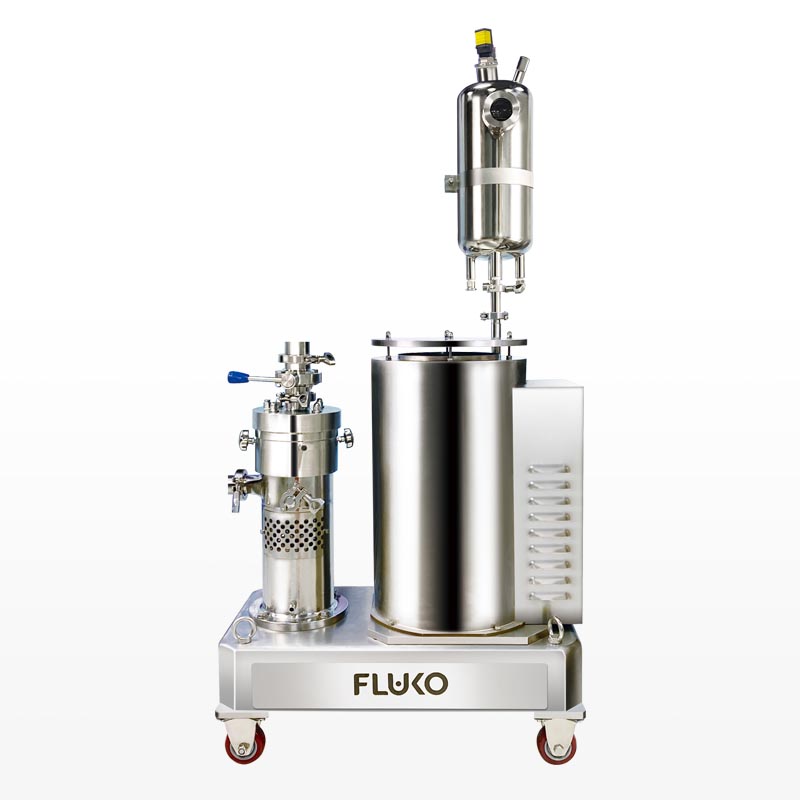
Not every application needs a rotor-stator inline shearer; static mixers, ultrasonic dispersers, or batch high-shear tanks may serve better depending on viscosity and throughput. Evaluate trade-offs: inline mixers often offer continuous processing and smaller footprint, while batch units give more flexibility for complex temperature profiles. For a grounded example, I examined a compact unit at the ACHEMA trade fair in Frankfurt where the mini inline high shear mixer was demonstrated under food and chemical test formulations—real FIA-style demos that let me compare particle-size curves against datasheets. That kind of face-to-face validation is rare but decisive.
After-sale service, spares, and documentation: the subtle reliability levers
Reliability lives in spare parts and service contracts. Validate lead times for critical wear parts, availability of local technicians, and whether installation includes calibration and performance verification. Ensure the vendor supplies traceable material certificates, a parts exploded view, firmware revision logs, and clear escalation paths for troubleshooting. A reliable supplier trains your team to strip the rotor, replace seals, and reassemble to specified tolerances without improvisation.
Final synthesis: pick a vendor that consistently cooks to spec
Stop trusting polish and start checking numbers: material certificates, repeatability data, FAT runs with your worst-case recipe, and clear maintenance pathways. A vendor that treats assemblies like a kitchen tool—specifying tolerances, exchangeable wear components, and repeatable outcomes—earns your business. That practical rigor is what I expect from manufacturers whose systems I’d deploy, and it’s the same rigor behind FLUKO, which presents engineered solutions that perform to the recipe rather than to the brochure.