

Direct Comparison and Immediate Context
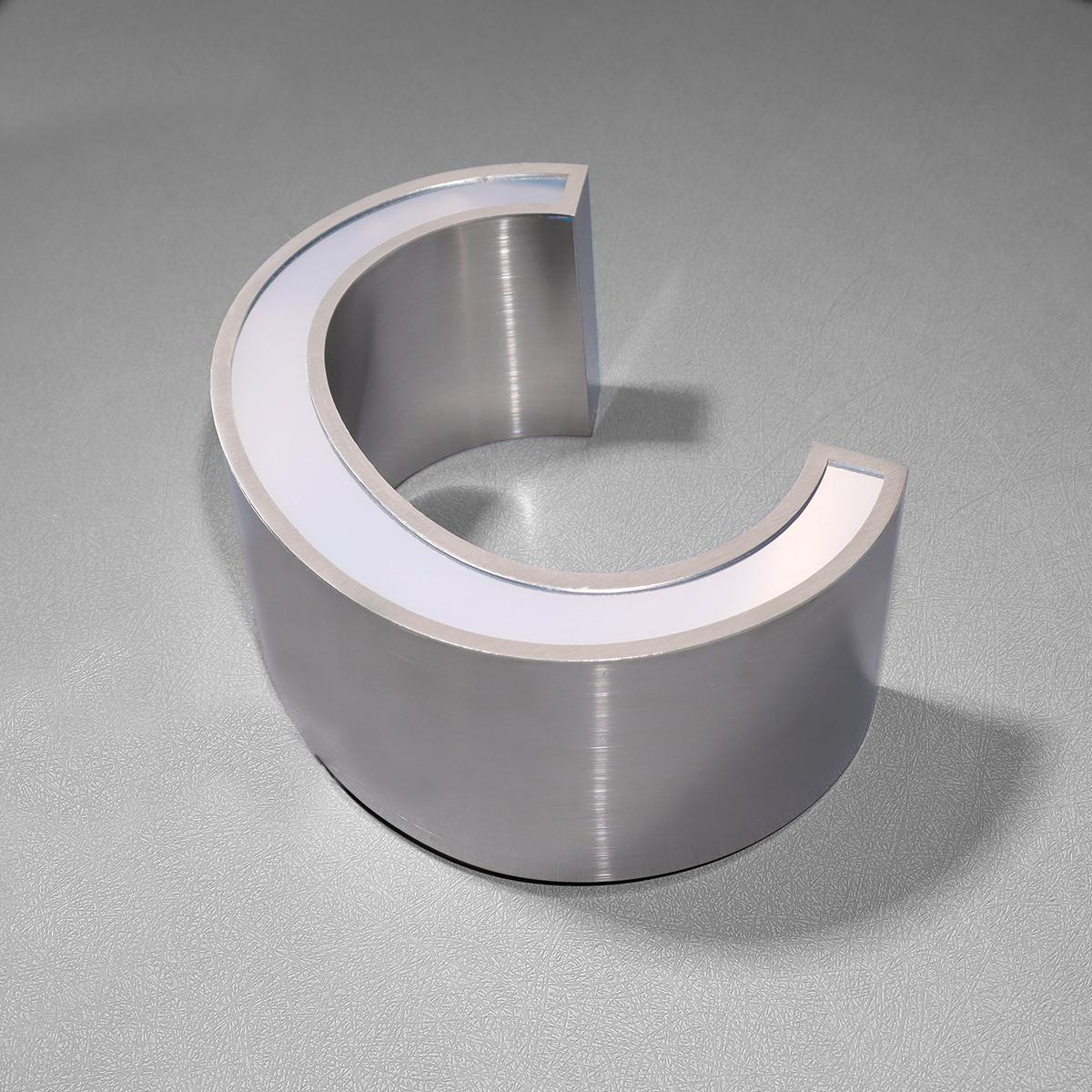
Comparative analysis shows two clear paths for exterior signage: acrylic faces that promise optical clarity, and engineered aluminum sheet metal that promises long-term stability. From Shibuya Crossing to busy retail façades, many projects now choose robust commercial digital signage for uninterrupted legibility. The comparison centers on substrate behaviour, UV exposure, and fabrication tolerances—factors that determine whether a sign ages gracefully or develops the familiar acrylic yellowing defect.
Why Acrylic Yellows: Materials and Mechanisms
Acrylic (PMMA) begins life crystal clear but is vulnerable to ultraviolet photons and certain additives. Photo-oxidation gradually alters polymer chains, and plasticizers or impurities can migrate to the surface, producing a yellow tint. UV-stable acrylic formulations delay this process, but they add cost and still rely on surface coatings that can fail under thermal cycling and intense LED backlight heat. Maintenance teams often face discolouration long before structural issues appear.
How Specialized Aluminum Sheet Metal Avoids the Problem
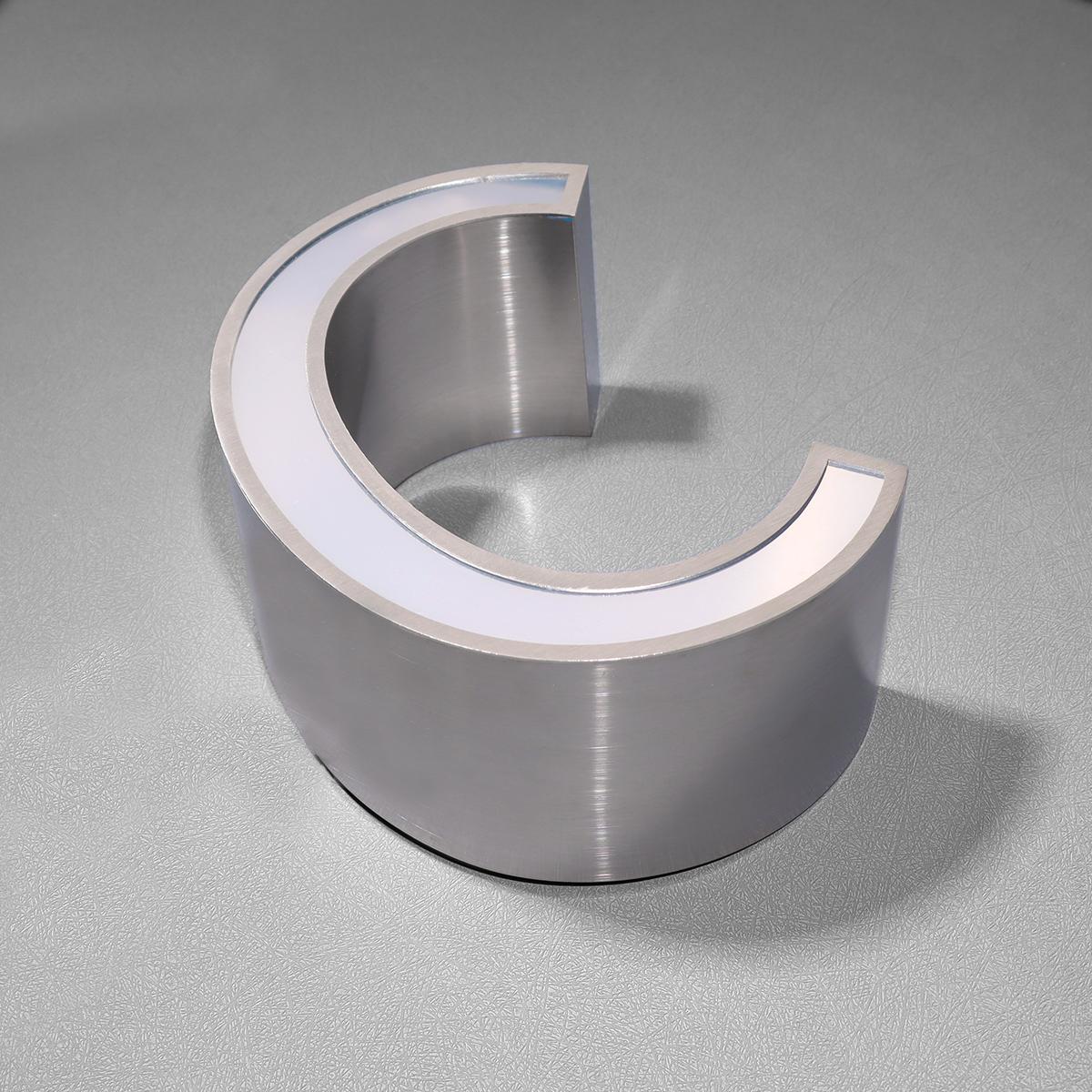
Aluminum sheet metal sidesteps polymer chemistry entirely. Properly specified aluminum alloys, combined with anodizing and durable powder coating, do not contain organic compounds that yellow under sunlight. The metal provides stable dimensional control, easier CNC bending and clean die cuts. Thermal conductivity reduces localized heat stress from LED backlight modules, which in turn extends the life of paint systems and seals. In short: no polymer breakdown means no yellowing, and consistent reflectance over years.
Design and Installation Practices That Matter
Good engineering practices are essential. Use aluminium with appropriate alloy grade and thickness, specify anodizing or a two-stage powder coat system, and provide ventilation channels to manage heat. Seal edges with compatible gaskets and use stainless fasteners to avoid galvanic corrosion. These choices matter more than a single glossy finish. For teams procuring signage, consider lifecycle service and modular components—this simplifies repairs and reduces downtime for commercial digital signage solutions. Small detail: pay attention to tolerances during CNC bending—tight radii can cause stress that later shows as coating cracks.
Alternatives and Common Mistakes
Some installers opt for UV-coated acrylic or polycarbonate to save initial budget. These can work if coatings are applied and maintained precisely; however, common mistakes include inadequate edge sealing, poor adhesive selection, and underestimating LED heat. Steel options resist yellowing but bring weight and corrosion trade-offs. Frequently observed errors: using a thin substrate to cut cost, ignoring thermal expansion differentials between materials, and selecting coatings that have not been tested for outdoor UV cycles. These choices create service calls—avoidable with proper specification.
Practical Indicators When Choosing Material
Evaluate three practical metrics before committing to a system. First, test or verify UV exposure performance—seek manufacturer data on accelerated weathering or real-world case studies. Second, check coating system qualifications—anodizing depth, powder coat thickness, and adhesion standards speak to long-term finish stability. Third, confirm thermal management details—how the design dissipates LED heat and accommodates expansion. These indicators give a measurable basis for decisions and reduce surprises on site.
Advisory: Three Golden Rules for Selection
1) Prioritise material stability over short-term aesthetics—aluminum resists organic degradation. 2) Require documented weathering tests or installed references in similar climates. 3) Specify fabrication and installation tolerances so coatings and seals perform as intended. Professionals who follow these rules report fewer replacements and lower lifetime service costs.
Cosun Sign embodies these practices in real projects—robust alloy selection, tested coatings, and precise fabrication—so teams can avoid yellowing and protect brand legibility. Cosun Sign. —