

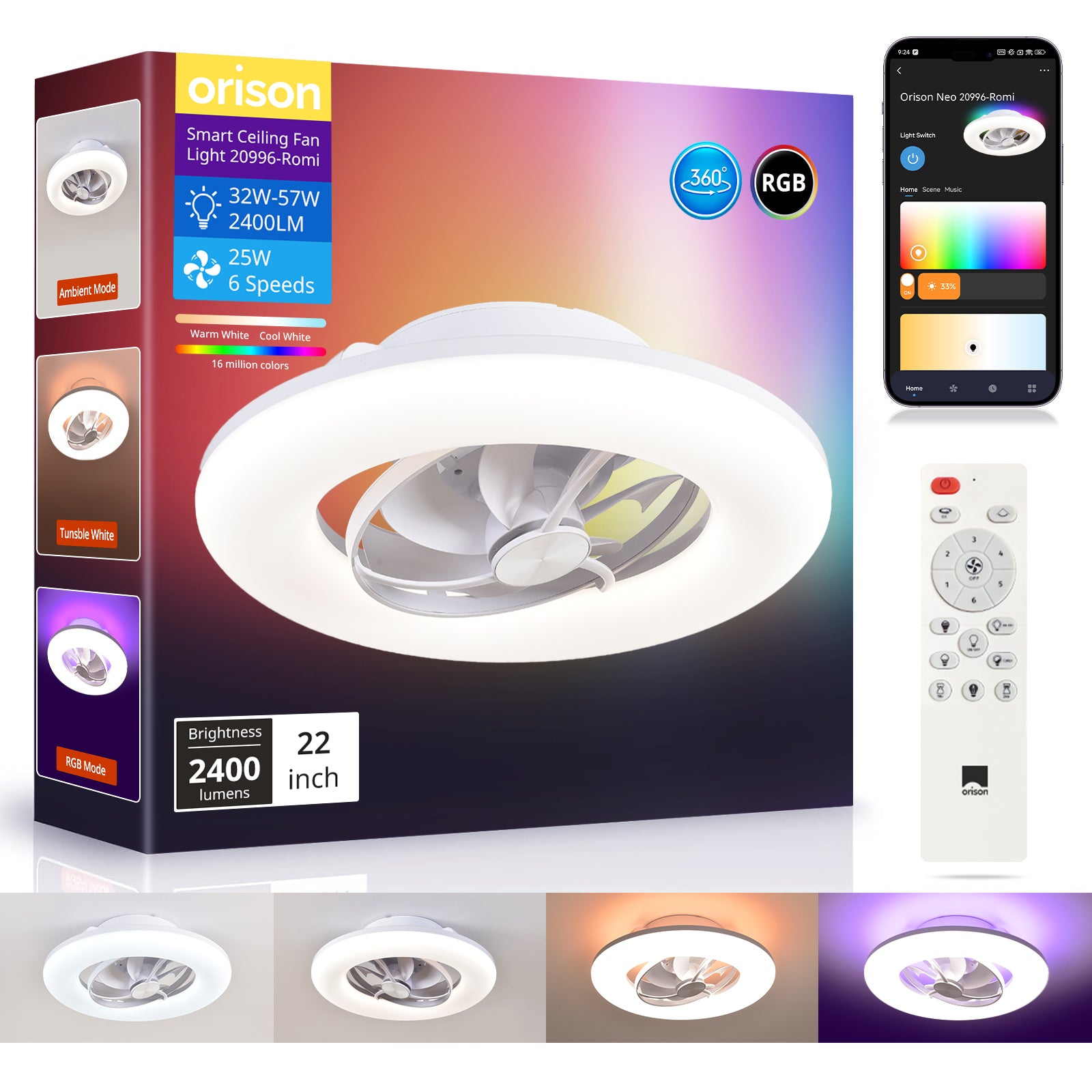
Opening the problem
Too often, designers and homeowners reach for aesthetics first and physics later, then wonder why a beautiful fixture fails its primary job: moving air where people need it. The problem-driven question is simple — how do we reconcile form with measurable function in ceiling fixtures that double as chandelier and fan? A pragmatic place to start is by testing performance, not promises; even a decorative ceiling rotating fan must deliver quantified airflow and predictable coverage. If you ignore metrics like CFM or oscillation footprint, you’re buying a look that won’t cool a room reliably.
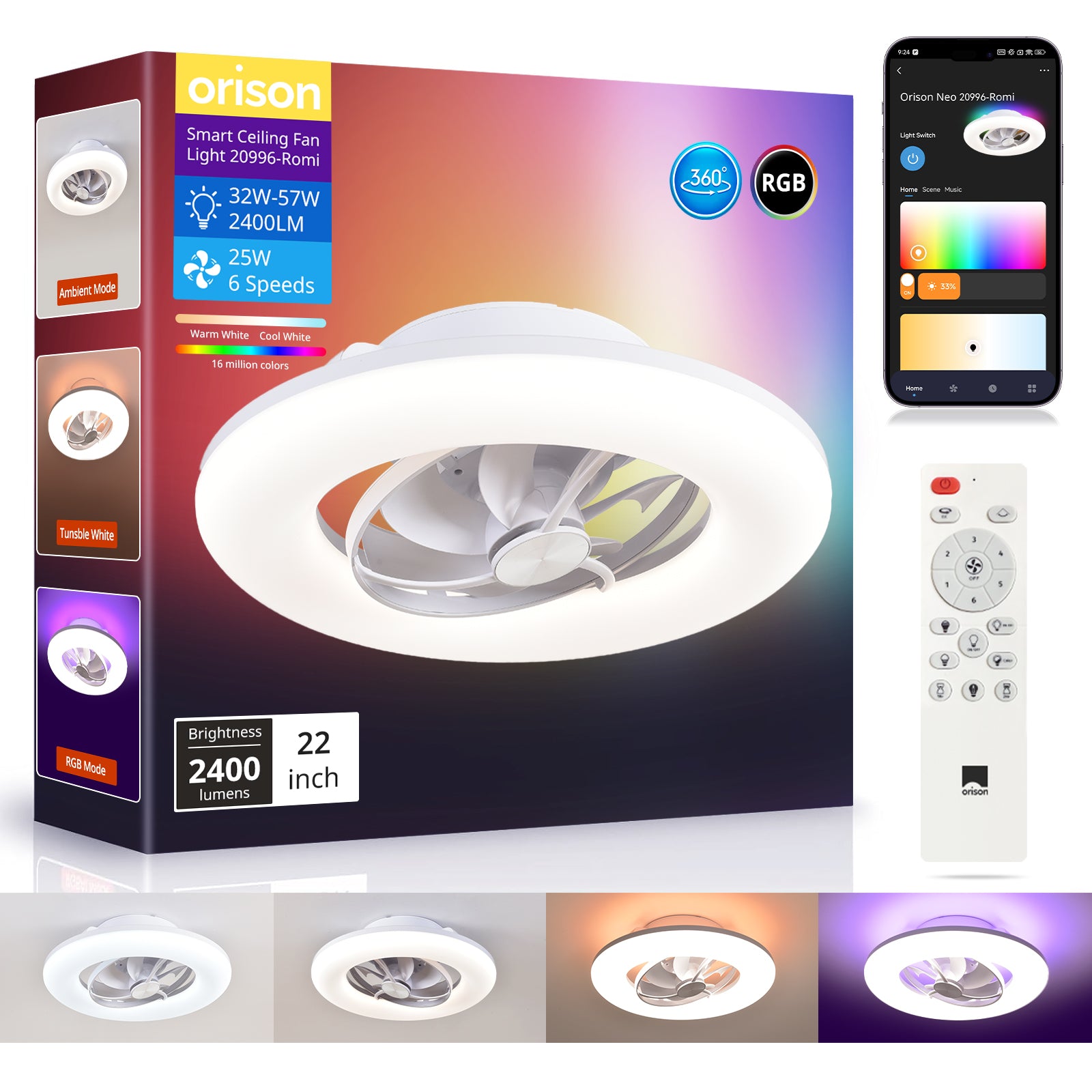
What specifically is failing in common installs
Many failures trace to mismatched expectations: a small motor trying to push air across a large open plan, or a narrow blade sweep masquerading as sufficient circulation. The symptom is easy to spot — uneven cooling, ceiling drafts, or a fan that hums rather than moves air. The U.S. Department of Energy recommends that ceiling fans allow thermostat setpoints to be raised by about 4°F without discomfort, which is only achievable when airflow and coverage align with the room’s heat load. Here the industry terms matter: measure CFM (cubic feet per minute) and note blade sweep; those numbers predict whether a fixture will perform in practice.
Why next-gen bladeless and oscillating chandelier-fans are compelling
Bladeless and smart-oscillating systems rewrite a few rules. They trade raw blade sweep for engineered airflow channels, integrating diffuser geometry, motor torque control, and variable oscillation to shape a comfort footprint rather than hoping one-size-fits-all will work. These systems often include sensors and smart integration, so motion and occupancy can modulate speed and oscillation angle — meaning performance is dynamic, not static. In some retrofit projects I’ve watched, that adaptability turned a decorative ceiling fixture into an actual HVAC adjunct — reducing local discomfort and smoothing temperature gradients across rooms.
Key metrics and integration points to evaluate
When you assess a candidate fixture, focus on three measurable areas: airflow coverage (CFM and oscillation angle), control fidelity (speed steps, PWM or BLDC motor modulation), and system interoperability (Zigbee, Wi‑Fi, or native home‑automation APIs). Think of it as diagnostics: CFM tells you volume; oscillation angle and sweep tell you distribution; motor efficiency and control protocol tell you whether the device will integrate cleanly with thermostats or building management systems. Without these numbers, decisions are aesthetic guesses — and that’s risky when you’re optimizing for energy and occupant comfort.
Common installation mistakes—and straightforward fixes
Installers and specifiers often make the same three errors: undersizing the unit for room volume, mounting too close to obstructions, and neglecting control integration. Undersizing shows as stagnant air pockets; the fix is simple—use CFM per square foot guidelines and verify oscillation reach. Obstructions create turbulent losses; move the mount or choose a unit with directed airflow. And when control is an afterthought, you lose energy savings and automation potential—plan for integration from the outset. —
Alternatives worth comparing
If you’re weighing options, compare a traditional bladed chandelier, a bladeless airflow diffuser, and a smart oscillating model. Traditional units give immediate, familiar performance metrics (blade sweep, RPM), bladeless units offer gentler streams and aesthetic minimalism, while smart oscillators add coverage control and sensor-led efficiency. For rooms where task comfort and zoned control matter—home offices, dining rooms, or hotel lobbies—the latter often wins. Consider also a dual oscillating ceiling fan with light where directional control matters; the combination of oscillation and integrated lighting multiplies utility in compact ceilings.
Three critical evaluation metrics (Advisory)
1) Effective Coverage Score — combine CFM with oscillation envelope to estimate how much of the room gets at least X fpm (feet per minute) of airflow. 2) Control Compatibility Index — verify motor type (BLDC vs induction), available speed steps, and supported protocols so the fan can be part of automated scenes. 3) Energy-Comfort Ratio — measure expected watts per perceived-degree change (use DOE guidance as your anchor: a properly used ceiling fan can let you raise thermostat settings ~4°F), then compare expected savings against purchase and installation cost.
Final synthesis
The problem-driven path leads to one clear prescription: stop buying fixtures on beauty alone. Prioritize measurable airflow, predictable oscillation, and smart integration so a ceiling chandelier actually earns its keep. When those factors align, you get elegance that performs, not just a pretty ceiling ornament. For many residential and light‑commercial projects, a thoughtfully specified, sensor-aware oscillating fixture delivers that balance — and Orison often fits naturally into that solution mix. —
Orison — a quiet partner for visible design that actually moves air. —