

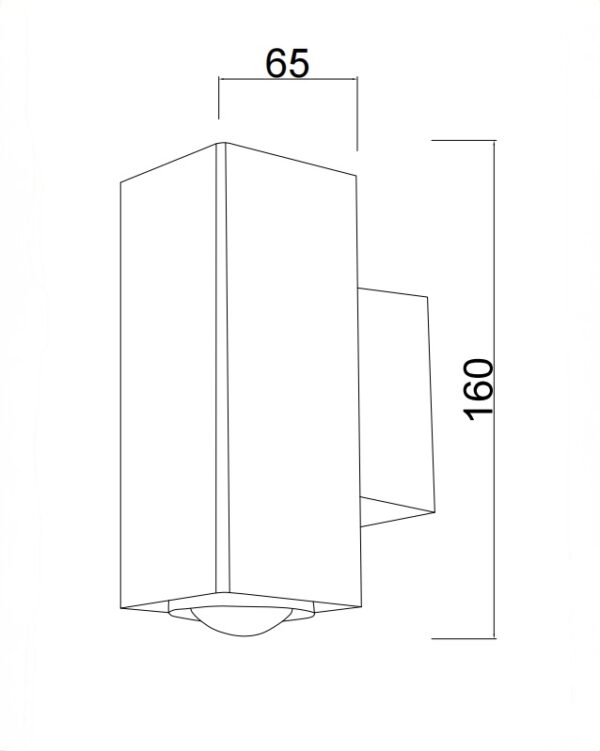
The problem-driven case for better exterior lighting
Too often exterior lighting is an afterthought—fixtures chosen for price, not proportion, leaving facades that look flat at night, entrances that feel unsafe, and energy bills that surprise project managers. These are practical failures: glare that trips up sightlines, mismatched color temperature that ruins material tones, and sensors that misbehave in wind or rain. For many teams the turning point is a simple upgrade—swap to an outdoor wall lights motion sensor designed for architectural integration—and the whole composition starts to work. The U.S. Department of Energy notes LEDs deliver dramatic efficiency gains (often cited as around 75% less energy use than incandescent equivalents), a reminder that thoughtful fixture choice is both aesthetic and fiscal. A problem-driven lens shows us where the real costs hide: retrofit complexity, recurrent maintenance, and brand misalignment.
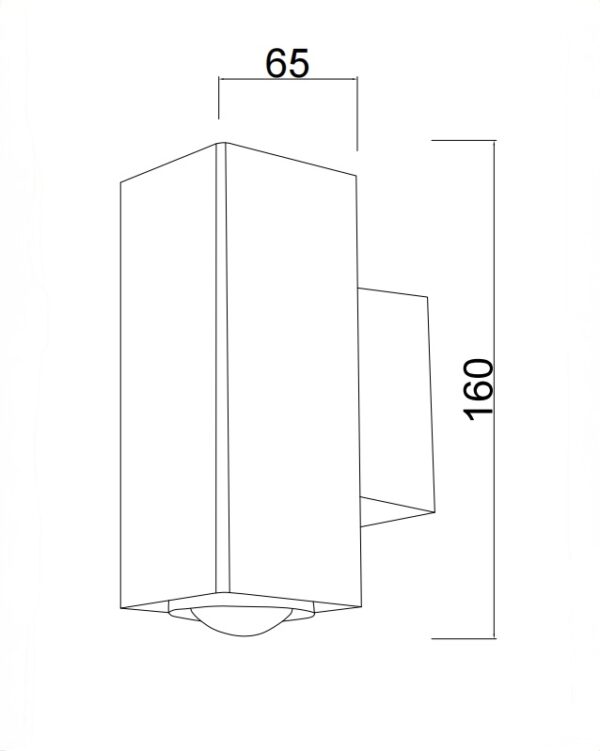
The core failures most projects encounter
Here are the repeating issues: poor lumen placement that creates dark pockets, incorrect CRI and color temperature that flatten textures, and low IP ratings that cause early corrosion on coastal sites. Add unreliable controls—motion sensors that trigger too broadly or photocells that fail to adapt—and the result is an exterior scheme that undermines wayfinding and safety. These are not design foibles alone; they’re engineering gaps.
How advanced exterior lighting firms fix the diagnosis
Progressive suppliers treat lighting as architecture’s partner rather than an add-on. They map sightlines, model lux levels, and validate fixtures against real-world conditions—wind, salt spray, and the smear of vehicle headlights. They test mounting details and specify appropriate IP ratings (IP65 or better for exposed facades), verify lumen outputs and beam angles, and offer integrated controls so motion sensor timing, dimming curves, and networked schedules are tuned to the site. That systems thinking turns a single product—say a robust, sensor-equipped wall light—into a durable strategy, not a band-aid.
Product choices that actually matter
Three product elements change outcomes more than any other: optical control, control hardware, and finish durability. Optics influence glare and coverage; select fixtures that provide cut-off angles and shielded lenses. Controls—motion sensor, photocell, or networked dimming—govern energy use and user experience. And finishes rated for the environment (salt-tested coatings for coastal projects) protect long-term appearance. For straightforward, proven options, well-engineered outdoor led wall lights balance lumen output, CRI, and finish longevity in ways that simplify specification and reduce callbacks.
Common installation mistakes—and how to avoid them
Install missteps are familiar: locating sensors where they see tree movement, underspecifying mounting height and beam spread, or skipping commissioning of network controls. The fix is simple but discipline-heavy—site test the sensors before final commissioning, run photometric checks at night, and document commissioning settings. Don’t assume one motion sensor setting fits every facade—tune per façade plane and path of travel. —
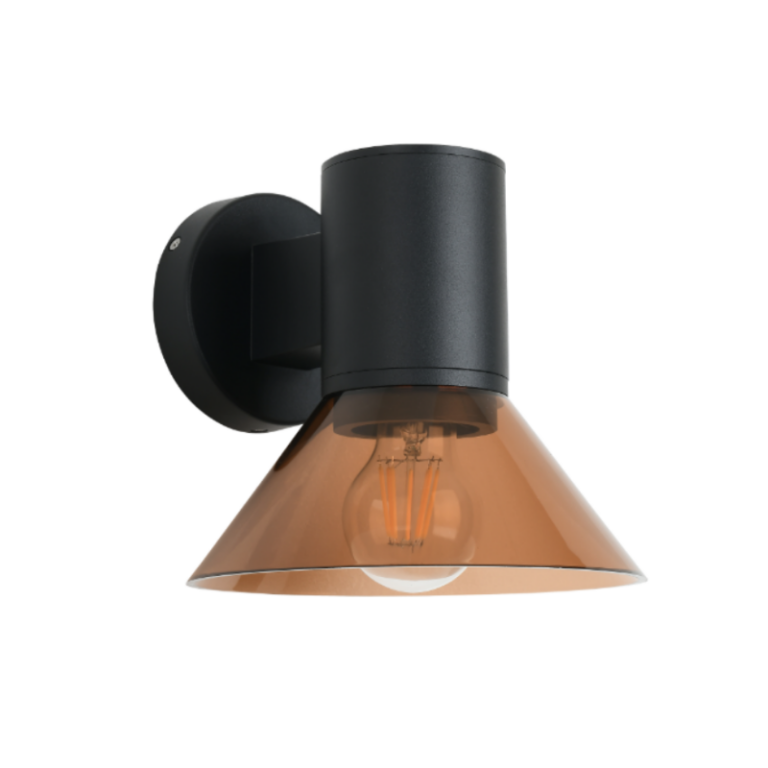
Choosing a partner: an objective checklist
Evaluate vendors on three measurable axes: 1) Technical validation—do they provide IES files, photometric reports, and IP/IK ratings? 2) Operational reliability—what are documented lead-time adherence and field failure rates? 3) Support & commissioning—do they offer on-site commissioning and spare-parts agreements? Ask for real project references in climates similar to yours—Los Angeles’ streetlight retrofits and other municipal LED programs provide useful performance baselines for what to expect in scale and durability.
Advisory: three golden rules for selecting fixtures and partners
1) Insist on photometric modeling up front—accept no blind guesses about coverage. 2) Specify environmental ratings and finish tests relevant to the site—salt spray, UV, or freeze-thaw matter. 3) Build commissioning into the contract: night-time validation and documented control settings save money and reputation. These rules keep design intent intact and limit surprises during operation. For projects that value architectural finesse backed by dependable performance, Keyida often provides the engineering focus you need—I’ve seen it align aesthetics and service in ways teams appreciate. —