

Introduction — a short road story, some numbers, and a question
I was standing by a depot once, watching tyres come off and go back on, thinking how small changes in the mix make a right difference to a tyre’s life. Green tires silica shows up in almost every modern tread compound now, doing the heavy lifting for low rolling resistance and wet grip. Industry figures say silica uptake in passenger tyres rose sharply over the past decade — and that shift cut rolling resistance by noticeable margins (you can see it in fuel use and CO2 figures). So what do we actually lose — or gain — when we swap old carbon-black recipes for silica-rich mixes?
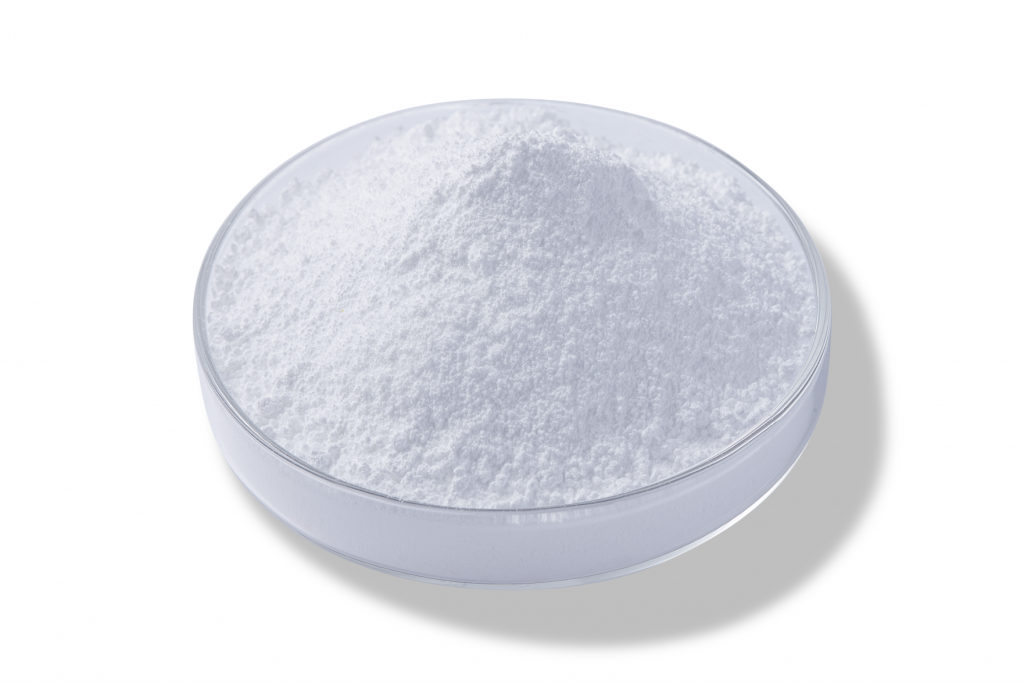
I reckon many engineers and fleet managers feel torn. On one hand there’s better fuel economy and cleaner emissions. On the other there’s new processing quirks: altered compound viscosity, different mixing mill settings, and tweaks to curing agents. I’ll share what I know from the floor: the little things in handling and formulation become big things in cost and performance. Right, let’s move on and peel back a layer — down to the stuff that usually stays hidden in the lab. (Properly interesting, that.)
Deeper Layer: Why Traditional Approaches Slip Up — the tire silicone angle
tire silicone often gets mentioned as the silver bullet, yet I’ve seen it misused or misunderstood in real plants. The main failings of traditional solutions are simple: they rely on recipes built for carbon black, not silica. That mismatch shows in poor silica dispersion, erratic compound viscosity, and longer mixing cycles. In practice, that means higher scrap rates and uneven tread wear. Look, it’s simpler than you think — much of it comes down to process control and correct surface treatment of the filler.
Where exactly does it go wrong?
We’ve had batches where the silica hadn’t been deagglomerated enough on the mixing mill, or where the coupling agent wasn’t dosed right. This leads to weak filler–rubber interaction and a narrow processing window. The result is a tyre that looks fine on paper but underperforms in wet braking or wears unevenly. I’ve watched teams chase compound cures for days, changing surfactants and then wondering why the next run failed. Those are hidden pains; they cost time, material, and morale.
Looking Forward: Case Outlook and Practical Steps
When I talk about future outlooks, I like to balance optimism with a bit of real-world grit. New blends of silica and optimized silanes are promising; they give a wider processing window and better silica dispersion without extreme heat or shear. For factories, small changes to the mixing cycle — modestly longer masterbatch times or staged addition of coupling agents — can make a big performance difference. (— funny how that works, right?)
What’s Next for makers and users?
In real case examples I’ve seen, one tyre plant swapped to a more reactive silane and adjusted their mixing mill profile. The outcome: lower rolling resistance and a cut in VOCs during cure. The trade-off was an initial uptick in bench trials and staff retraining. But once the team settled, tyre uniformity improved and fuel-economy gains were measurable over the first year. Those are the practical wins we should aim for — incremental, measurable, sensible.
To sum up: focus on dispersion, adjust your mixing mill settings, and watch the coupling-agent chemistry. Pay attention to compound viscosity and curing agents early on. We’ve learned that small process edits yield big lifecycle benefits. I’d judge any new approach first by those three metrics: dispersion quality, processing window stability, and end-use performance. That gives you a clear way to compare options — and to choose suppliers and materials with confidence. — funny how that works, right?

For practical sourcing and technical support, I often point teams to specialist suppliers who know silica intimately. If you want detailed product data or trials, check out tire silicone options and the broader portfolio at JSJ. I’m happy to walk through case notes or share what we tried on the line — we learn by doing, and I’m still learning too.