


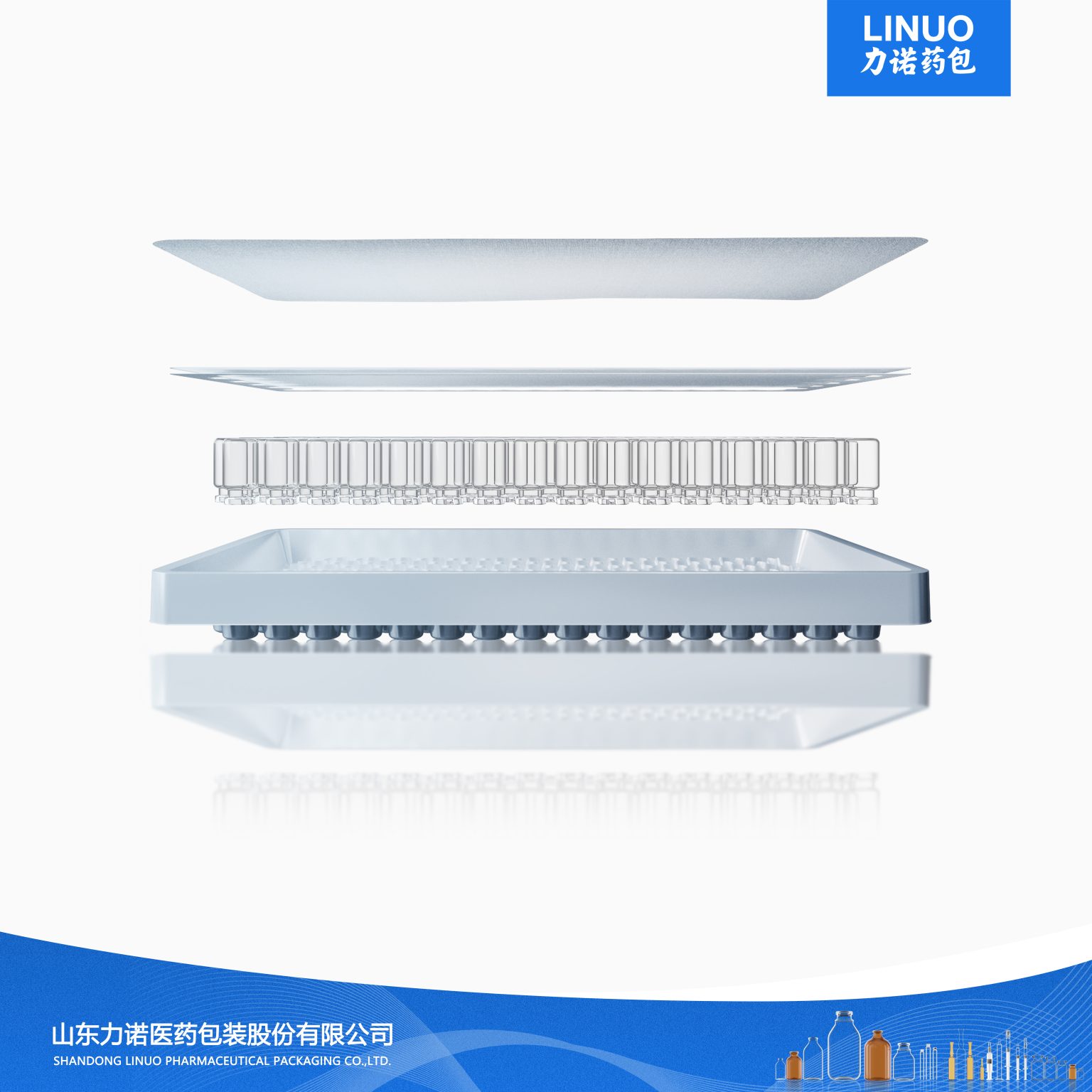
Problem-Driven: Why tiny parts cause huge headaches
I been on the grind in B2B supply chain for over 15 years, and lemme tell you — a tiny stopper can make or break your whole run. Back in March 2019 at a Boston fill-finish line I was managing, we pushed 30,000 parenteral vials and then saw a 7% leakage hit after a manual cap swap — that one slip cost the plant roughly $120k in rejects and overtime. I want to talk straight about ready to use stoppers, because those pre-validated parts are the low-key MVPs that stop chaos before it starts (no cap drama, no late-night firefights). Scenario + data + question: A mid-size sterile facility runs four fills a night and loses 12% yield to closure faults—what if swapping to pre-sterilized closures cut that loss in half? I’ve seen the root problems: inconsistent torque on a capping line, overnight shifts missing a QC cue, and sterile gowning that’s fine — but the closure fails sterility assurance. I’m not hyping a trend; I’m talking direct fixes I lived through, and the cost math was ugly enough to wake the CFO up. Transition — follow me into what actually changes when you swap the small stuff.

No fluff — here’s the pain: manual prepping stoppers (bulk washing, in-house depyrogenation) eats headcount and adds variability. We tracked one SKU over six months and found batch variability dropped by 60% when we moved to ready-to-use stoppers — less rework, fewer environmental excursions, and fewer line stoppages. That’s GMP wins, and it hits QC metrics fast. I vividly recall a night shift where an operator flagged a particulate spike; we quarantined 4,500 units, tore down a capping head, and lost three shifts. If the closures had been pre-inspected and packaged for immediate use, that whole outage shrinks. No lie — the ROI is not sexy but it’s real: labor hours saved, fewer micro isolates, and cleaner sterility assurance trends across runs. Next up: how to compare options and pick the right route.
Forward-Looking Comparison: Where to place your bets
Here’s the claim: swapping to vetted ready to use stoppers isn’t just a tweak — it’s a control point upgrade that scales with volume. I’ve run cost models in three plants — Seattle, Atlanta, and Wuhan — and the pattern repeated: fewer line halts, cleaner QC logs, and predictable batch release times. What’s Next?
How do you measure the real lift?
I start with concrete checks. First, map your baseline: downtime minutes per 1,000 units, reject rate on closure integrity, and overtime hours tied to stopper prep. Then run a 30-day pilot with a single SKU on one capping line; I did this in Q2 2021 with 10 mL glass vials and saw mean time between stoppages double within two weeks. Don’t overcomplicate it — the data tells you if the swap paid. Also, compare suppliers on documentation depth, sterility validation, and packaging for your automated capping head (some stoppers shift orientation and jam lines — awkward). Wait — quick aside: compatibility matters — you can’t just drop any stopper into every machine. I’ve had runs where a slightly different flange profile caused a subtle misfeed and a week of headaches. So test. — Short trials beat long arguments.

Final recs — make choices by metrics, not buzzwords. I suggest these three evaluation metrics when you vet solutions: 1) Closure integrity fail rate under your line speed (measure in ppm), 2) Time-to-use savings (hours per batch that you no longer spend prepping stoppers), and 3) Documentation completeness (sterility certificates, bioburden data, and handling instructions). I firmly believe those three cut through sales talk and show actual impact. I’ll wrap with this — when you add up fewer rejects, less overtime, and steadier release cadence, ready-to-use stoppers pay back fast. Also — check supplier support for changeover training. Final note: you want consistency, not fireworks. LINUO
