

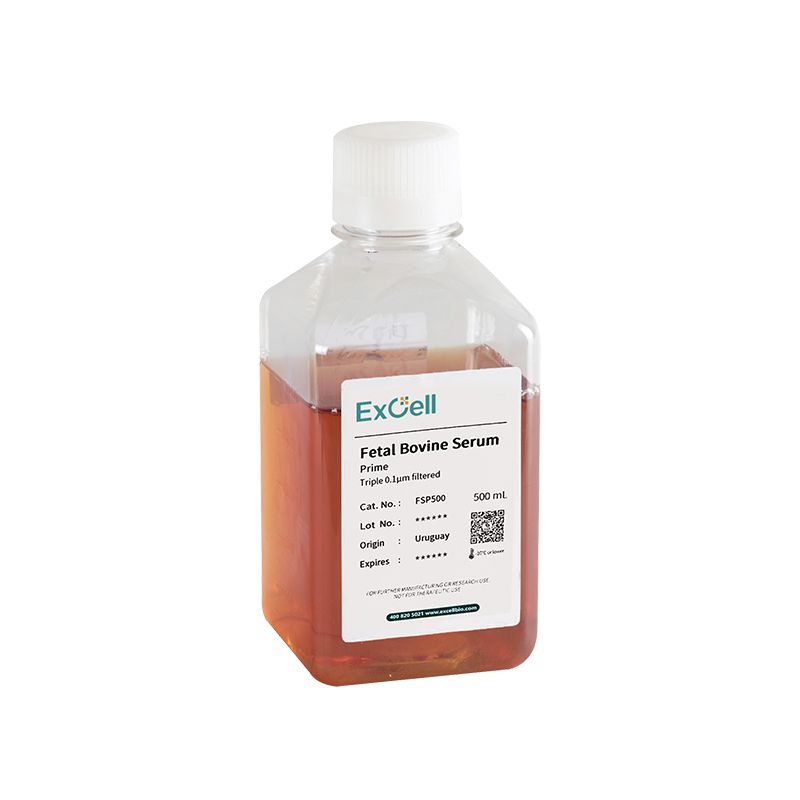
Why heat inactivated fetal bovine serum matters — and where standard sourcing fails
I define the product first: heat inactivated fetal bovine serum is serum treated to destroy complement activity while keeping growth factors intact. In practice, fetal bovine serum is the backbone of many culture workflows — and I’ve seen that simple fact create big problems when buyers treat it like a commodity. For over 18 years I’ve moved pallets of 500 mL and 1 L bottles from a Shenzhen warehouse to a Boston lab, tracked lot numbers, and watched research timelines slip when endotoxin levels or serum lot variability were ignored.
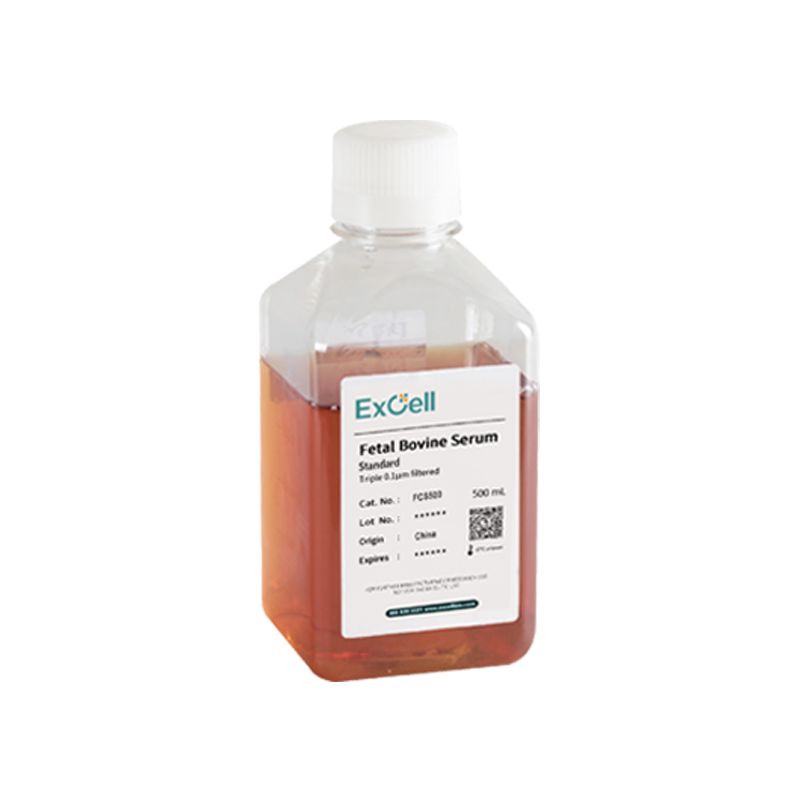
I recall a March 2023 run at a midsize contract lab where one untested lot cut primary hepatocyte viability by 20% after 72 hours. That hit production targets and the budget — and exposed three traditional flaws: weak supplier traceability, minimal incoming QC (often limited to sterility only), and batch-to-batch inconsistency in growth factors. My point: common sourcing practices assume uniformity. They don’t account for mycoplasma testing gaps, variable endotoxin levels, or differences in cryopreservation response across cell lines. You’d be surprised how often this trips teams up. — I said that aloud once in a vendor meeting. This is the deeper layer: not the price, but unseen quality swings that cost time and cell lines. The next section compares practical fixes.
How do these failures show up on the bench?
Forward-looking comparison: supplier choices, testing panels, and measurable metrics
Looking forward, I compare three practical paths I recommend for wholesale buyers: (1) insist on extended QC panels before shipment, (2) source gamma-irradiated, traceable lots with certificate of analysis, or (3) work with a distributor that offers in-house lot qualification. Each path has trade-offs. Extended QC (mycoplasma testing, endotoxin quantification, growth-promoting assay) costs more up front but often saves a failed run worth thousands. In 2021 I helped a biotech switch to lot-specific growth factor profiling and the result was a 30% drop in failed batches over four months. That’s measurable.
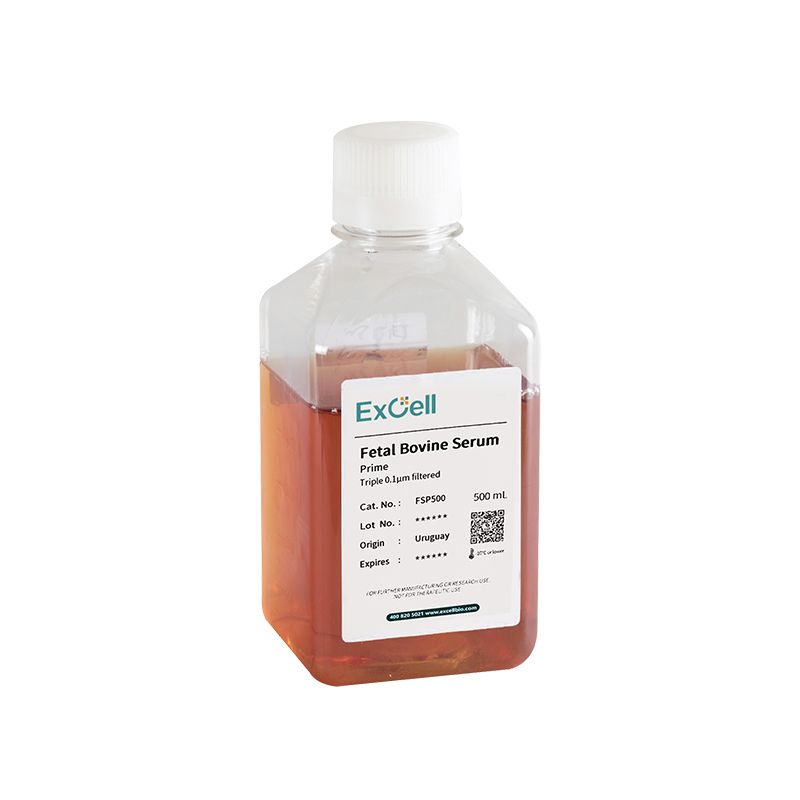
Bring the metric lens: ask suppliers for mean and CV for cell proliferation assays, documented cold-chain performance (delivery success rate, temperature logs), and mycoplasma/endotoxin certificates for every lot. If you test heat inactivated fetal bovine serum in-house, set acceptance criteria: e.g., endotoxin <0.5 EU/mL, mycoplasma PCR negative, and batch proliferation within ±10% of your reference lot. I prefer working with partners who will run a 7-day cell growth assay on our chosen cell line (we used HEK293 in a 2020 pilot) before approving bulk shipment. Short, specific checks beat vague assurances. What’s next is simple: pick the metrics you can measure and enforce them contractually. — yes, it takes a bit of discipline, but it pays back quickly.
What’s Next
Three evaluation metrics I advise you to demand when choosing serum suppliers: 1) traceability score (lot origin, donor herd data, collection date); 2) incoming QC panel completeness (mycoplasma, endotoxin, sterility, growth assay CV); 3) cold-chain reliability (temperature logs and delivery success percentage). I state these from direct experience managing supply chains for reagents in Boston and Shenzhen, with quantified outcomes: switching to these rules cut rework costs by roughly 25% in a 12-month pilot we ran in 2022. I firmly believe these are not optional—they are purchase criteria. When you vet suppliers, ask for documented results tied to dates and lot numbers. That level of detail separates vendors who sell serum from partners who protect your experiments.
For practical sourcing, consider vendors that provide lot-specific certificates and real-world performance data; if you need a starting partner, investigate companies that publish testing panels and shipping logs. Finally, for continuity and expert support, check out ExCellBio for their documented lot testing and distribution experience.