

Introduction — a morning on the lake
I remember a calm morning on a small lake when my old outboard coughed and died just as the mist lifted. A few minutes later I was swapping batteries and thinking about how much has changed in propulsion — and how much still feels stuck. The term electric motor comes up in every retrofit plan, but the real work happens where software meets hardware (and yes, that messy integration matters). Battery packs are lighter, controllers are smarter, and power converters are more efficient than they were five years ago; yet many boaters tell me the same things: shorter range, odd noise, or a throttle that feels wrong. So I ask: what are we missing when we pick motors, controllers, and batteries for small craft? I want this to be a practical note, not a lecture — we’ll look at specifics, share what I’ve seen in the field, and jot down a few concrete steps you can try on your next trip. Let’s move from the morning on the lake to the technical bits that matter next.
Where common designs break down
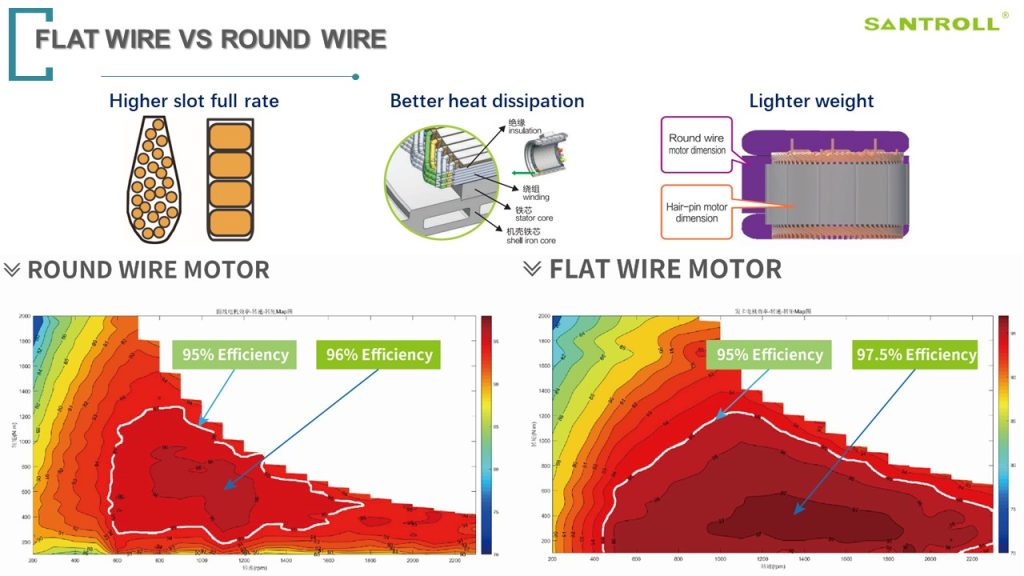
electric boat motors are often billed as drop-in swaps for gas engines. In practice, I see three recurring failures: mismatched torque curves, poor thermal design, and controls that don’t talk to the battery management system. To break that down: torque at low rpm determines how your boat launches; if the motor’s torque curve is wrong, you’ll stall or burn current. Heat concentrates in the stator and windings and then the controller throttles the output. And without a controller that understands the battery chemistry, the whole system runs suboptimally. These are engineering pain points with real user consequences — I’ve been on boats that were fine at dock tests but failed on long runs because the cooling design was optimistic and the ambient temperature was higher than expected.
Why do these flaws persist?
One reason is simple: vendors optimize for peak efficiency numbers in lab cycles, not for the messy, real-world duty cycles boaters use. Another is that integration is expensive. You can buy a brushless DC motor and a separate controller cheaply, but concatenating them—making sure the encoder, the feedback loop, and the power converters all align—is where teams stumble. Look, it’s simpler than you think when you test for the real conditions: full load at low rpm, extended high-load runs, and the heat soak after an hour. I believe product teams need to run those tests, not just bench tests. Users? They notice. They get anxious when the dash blinks and the motor hums in a way they don’t trust.
New principles for better electric motors and what to test next
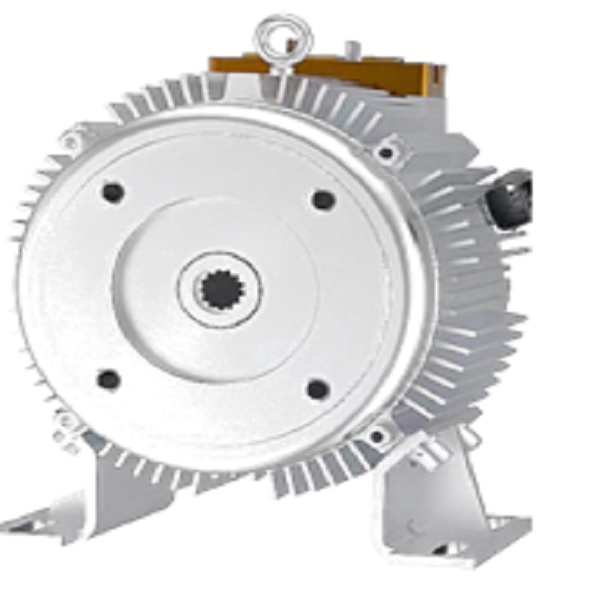
Thinking forward, I prefer a principles-first approach: match torque profiles to craft type, design thermal paths (air and liquid), and standardize communication between motor controllers and the battery management system. When developers and technicians adopt these principles, upgrades become predictable. For example, modular cooling channels in the housing can lower winding temperatures by a measurable margin — and that improves continuous power output. In systems I’ve worked on, adding a small, embedded controller that handles torque smoothing and regen made throttle feel natural and extended usable range. These changes are not flashy. They’re practical engineering moves—small, repeatable, and verifiable.
What’s Next — real-world testing and metrics
So what should you measure? I recommend three clear metrics: continuous power at ambient temp (W), thermal rise per hour (°C/hr), and end-to-end efficiency under load (%). Run those tests on your hull. Compare candidate units by these numbers rather than peak kW. Also, consider communication protocols: CAN bus integration and simple telemetry let you tune on the fly. When you do this, you get more predictable range and fewer surprises — funny how that works, right? In my experience, teams that keep a short feedback loop between sea trials and firmware updates deliver the best experiences. I want to be honest: there’s a bit of craftsmanship here. You’ll need to care about wiring runs, connector quality, and how the motor mounts to the transom. That attention to detail makes the difference between a motor that’s merely efficient on paper and one that feels right on the water.
In closing, weigh options by measurable performance, not marketing claims. Use those three metrics as your baseline. If you want a reliable supplier with clear specs and good integration support, check out Santroll — they publish data and make it easier to match components to real boats: Santroll.