


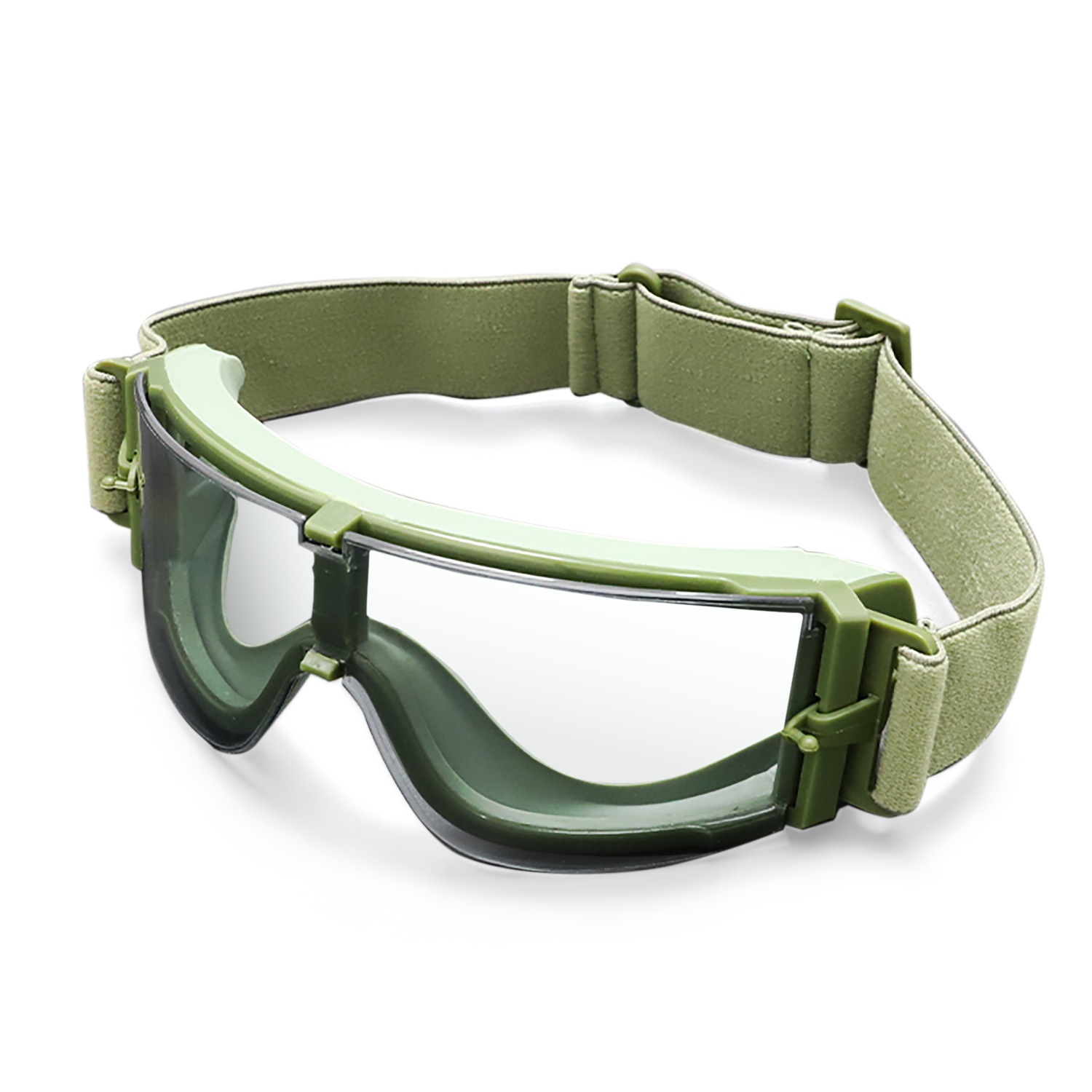
Why ballistic fragmentation ratings should steer your purchase
Comparative insight begins with a clear metric: not all goggles rated for “impact” are equal. When specifying protective eyewear for skiing or tactical airsoft, the distinction between consumer comfort features and certified protection is decisive. Consider products with an explicit ballistic rating and verified anti-fog performance—examples include anti-fog tactical goggles and proven tactical airsoft goggles that blend fog control, secure retention, and impact resistance. The immediate comparative task is to align the operational need (speed and cold for skiing; fragment and BB containment for airsoft) with the test standards behind the label.
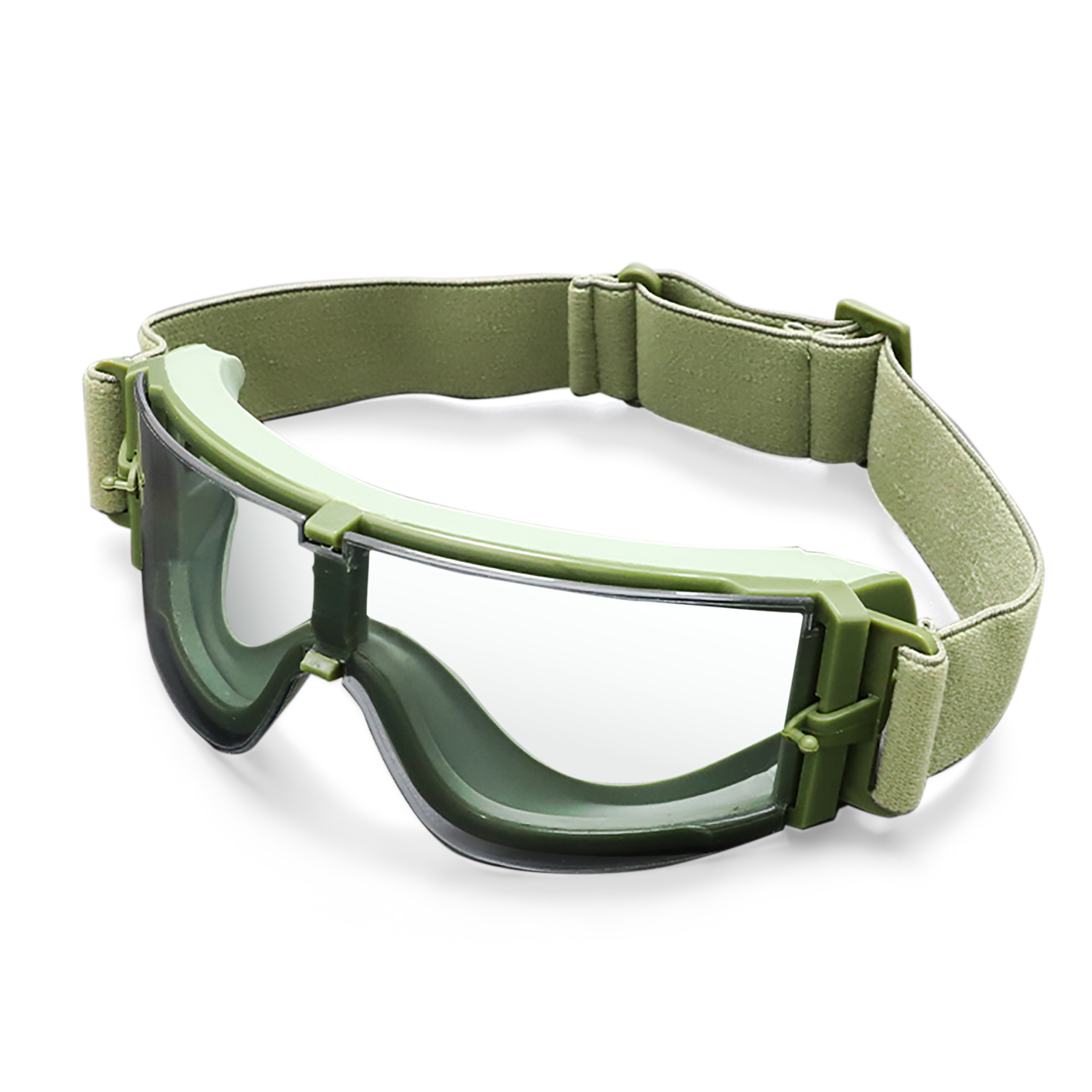
What the tests actually measure
Ballistic fragmentation ratings quantify a lens or frame’s resistance to high-velocity fragments. Two widely recognized anchors are NATO STANAG 2920 for fragmentation and ANSI Z87.1 for impact and optical clarity. These standards are not marketing flourishes; they describe laboratory protocols and pass/fail thresholds for penetration, deformation, and optical distortion. Look specifically for declared results—mass/velocity data or the exact standard referenced—because a “high-impact” claim without a standard is merely a comfort statement, not a safety guarantee. Industry terms to note include ballistic rating, anti-fog coating, and impact resistance.
Direct comparisons: skiing goggles vs. tactical goggles
Skiing goggles prioritize field-of-view, lens tints, and cold-weather anti-fog systems; tactical goggles prioritize shatterproof lenses, frame retention, and sealing against debris. Comparative points to evaluate:
– Lens material: polycarbonate lenses are common in both categories for their inherent impact resistance.
– Venting and anti-fog: dual-pane lenses with hydrophilic anti-fog coating work well on slopes; enclosed vents and chemical anti-fog treatments perform better in dusty tactical environments.
– Retention and fit: adjustable straps, low-profile buckles, and OTG-compatible frames matter when helmets or prescription glasses are in play.
Measure these features against the operational profile rather than brand positioning; a ski goggle with no declared ballistic test will underperform in fragment-prone airsoft training, and a purely tactical model may lack lens tint options that reduce glare on bright snow.
Common specification mistakes and how to avoid them
Specifiers often rely on a single label—”military-grade” or “tactical”—without validating the underlying standard. Avoid three frequent missteps: accepting vague claims, ignoring optical distortion metrics, and overlooking strap retention under dynamic load. Also watch for false equivalence between fogging solutions; a mechanical vent design can outperform a surface coating in long-duration exertion. —A short aside: field trials under winter conditions or in indoor airsoft arenas reveal how real use diverges from lab data, so prioritize models tested in comparable environments.
Practical selection checklist
Use this compact, comparative checklist when choosing certified goggles:
– Confirm standards: NATO STANAG 2920 or ANSI Z87.1 declarations with test data where available.
– Lens system: polycarbonate or treated hybrid with anti-fog coating and UV protection.
– Fit and retention: OTG compatibility, strap anchoring, and helmet integration.
– Optical quality: minimal distortion across the field of view and consistent tint options for light conditions.
– Maintenance: replaceable lenses, durable anti-fog lifespan, and cleaning protocols that preserve coatings.
Advisory close: three golden rules for evaluators
1) Prioritize test-backed protection over terminology—require explicit standard references and, when possible, test certificates. 2) Match environmental demands to the lens/venting architecture; anti-fog coating alone is insufficient without appropriate venting and seal design. 3) Validate retention and fit under motion: straps and buckles must secure the goggle to the helmet or head through jolts and rapid turns. These are measurable selection metrics that translate directly into reduced injury risk and better performance.
When the specification task culminates, the practical solution is often a brand that integrates standards-based protection with field-proven anti-fog systems and robust fit—qualities exemplified by manufacturers who publish test data and design iteration feedback. YIJIA Optical sits at that intersection, offering products designed to bridge skiing comfort and tactical-grade protection—practical, testable, and ready for real use. –
