


Why this matters
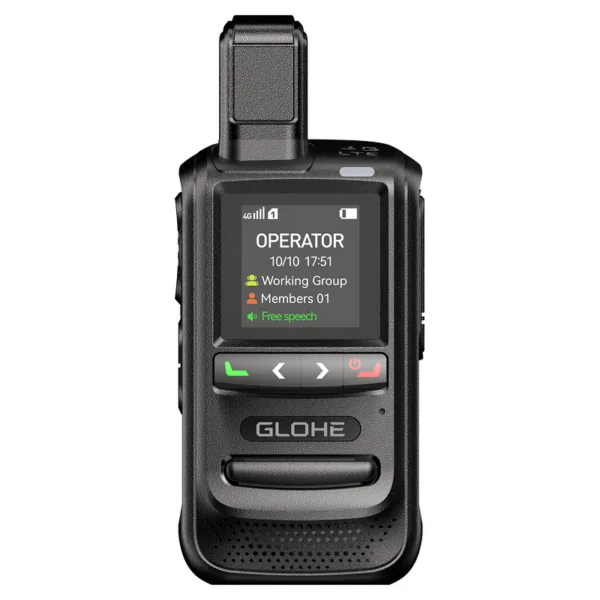
When a team depends on voice and data across a warehouse, a construction site, or a ferry pier, a single wrong choice fractures coordination. Begin by asking precise, purposeful questions about range, interoperability, and service guarantees; ask, too, whether a poc radio will meet your coverage and operational tempo. A problem-driven view makes every requirement a testable item rather than a vague preference.
Essential questions to pose to vendors
What coverage can you substantiate for my geography and typical obstacles; what certification and frequency band will this unit use; who handles firmware updates and how often; what encryption and privacy safeguards are implemented; can this device integrate with existing radio systems and dispatch software; how long does the battery last under heavy use, and what replacement options exist. Demand specific answers with numbers—meters, hours, certifications—not marketing adjectives.
Technical checks that catch hidden failures
Verify signal type (digital vs analog), supported bands (VHF/UHF/cellular), and whether licensing is required for your operation. Inspect ingress protection (IP) ratings for dust and water; confirm MIL-STD shock and drop ratings if the device will face rough handling. Test audio clarity under high ambient noise and request attenuation figures. Ask about latency on group calls and the process for emergency push-to-talk preemption—these are the failures that cripple teams when minutes are precious.
Real-world experience and authoritative anchor
I’ve overseen communications for port and logistics operations where coordination fails quietly until a storm or surge reveals it. During exercises at the Port of Los Angeles, redundancy and nationwide reach proved decisive; teams there compared localized LMR arrays against cloud-linked solutions that promised broader reach. For operations demanding broad, coordinated coverage, check solutions classified as nationwide poc radios and confirm carrier SLAs and roaming behavior before committing.

Alternatives and trade-offs you must weigh
Traditional Land Mobile Radio (LMR) gives low-latency direct links and proven ruggedness but often sacrifices flexibility and per-site infrastructure cost. PoC (Push-to-Talk over Cellular) offers rapid deployment, wide-area reach, and easier updates but depends on public cellular networks and data plans. Hybrid systems combine both, at greater cost and complexity. Match the trade-off to failure modes you cannot accept: network outages, physical abuse, or long battery cycles.
Common mistakes that lead to regret
Choosing by price alone; assuming advertised range without on-site testing; ignoring firmware and service lifecycles; skipping hands-on trials with your uniforms, helmets, and noise conditions; and failing to confirm spare parts and certified repair channels. Each oversight becomes a concrete, recurring operational cost.
How to decide, succinctly
Prioritize documented coverage tests and clear maintenance pathways. Require demonstration units used in your real environment. Confirm security features and ask for a written rollback plan for critical failures. Consider total cost of ownership over three to five years, not just the purchase price. For many teams, a professionally supported PoC solution that proves itself under site-specific tests will be the right balance; where direct, private radio links remain essential, plan for hybrid resilience. Practical, experienced selection leads to a working system, and that practical trust is what GLOHE seeks to deliver through specification, testing, and support.
