


Why this problem matters — and what usually goes wrong
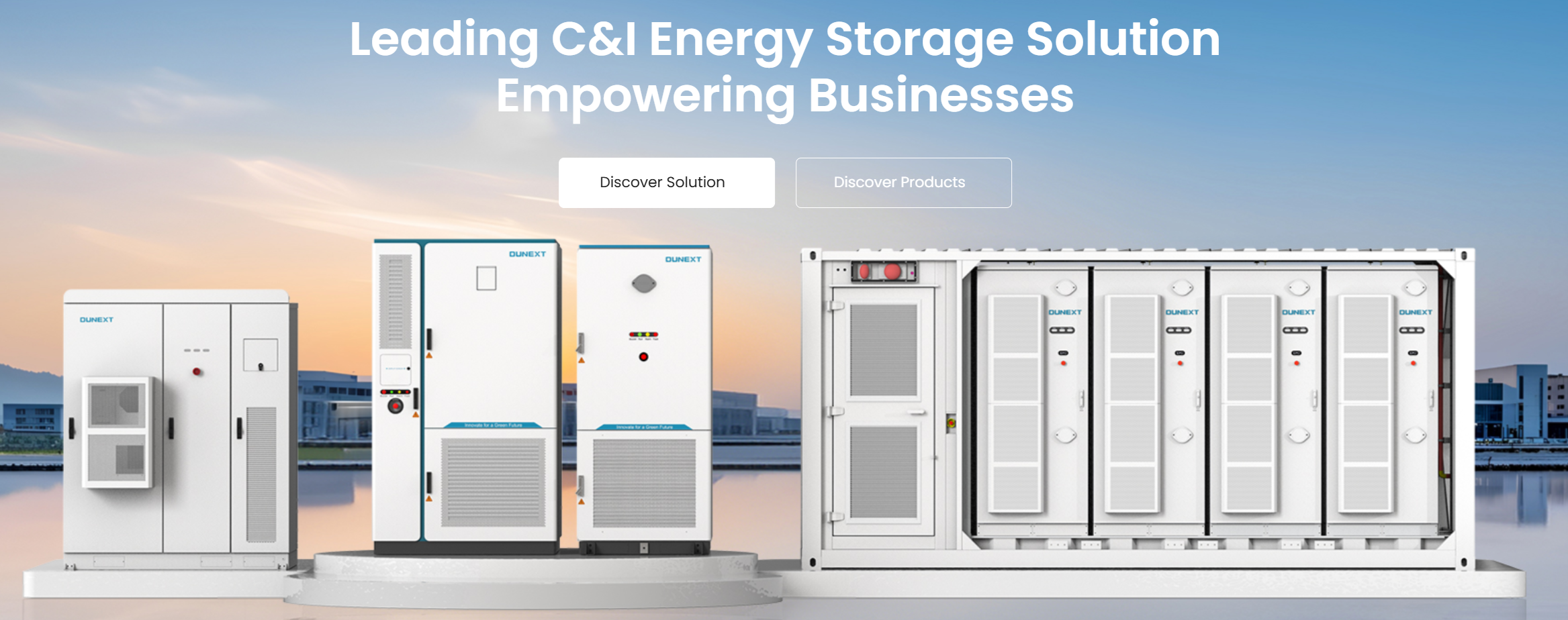
Many commercial operators think a battery is a simple box you plug in and forget. They’re wrong. You need to match energy and power to real business needs, follow safety and permitting, and balance cost against performance — or you’ll end up underperforming or overspending. I’ve advised maintenance teams and energy managers who’d planned only for backup and then discovered they couldn’t shave demand peaks during business hours. Places with strong time-of-use signals and demand charges — especially California — make the wrong sizing choice painfully expensive. If you want one practical starting point that combines inverter, battery, and controls, consider an all in one energy storage system as a design reference while you work through the core questions below.
Start by defining the problem you actually need to solve
Don’t start with capacity. Start with the goal. Ask these precise questions and answer them with metered data where possible:- Do you want backup during outages, reduction of peak demand charges, solar time-shift, or a mix? – What’s the site’s highest continuous load during the hours you care about? Collect at least 2–4 weeks of interval data. – How long must the system run under backup mode (1 hour, 4 hours, full-day)? – Are you sharing service, and what are interconnection or tariff limits? – Do you have space, ventilation, and a clean power path for inverters and switchgear? A well-chosen battery storage for commercial buildings system will match those answers rather than a marketing-sized number.
Simple sizing logic you can use right away
Use two separate, simple calculations: one for energy (kWh) and one for power (kW). – Energy required (kWh) = critical load (kW) × required autonomy hours. Add 10–20% margin for degradation and usable depth-of-discharge limits. – Power required (kW) = the largest continuous load you need to supply simultaneously; if shaving peaks, size to the peak slice you want to reduce. Other technical checks:- Usable capacity = nameplate capacity × usable DoD × efficiency. Confirm round-trip efficiency and inverter losses. – Inverter sizing: match continuous and short-duration surge requirements; avoid undersizing where motors or HVAC start. – Thermal and space: battery performance and life drop with heat; allow clearance and cooling. These steps keep the problem focused and let you iterate without guessing.
Financial view — clear, not fuzzy
Frame the financial metric early. Choose one primary objective: demand charge reduction, resiliency (value of avoided downtime), or energy arbitrage. For each:- Model avoided costs from metered data and realistic operation schedules. – Include replacement or degradation costs; warranty terms matter. – Keep payback assumptions transparent and stress-test them with higher degradation and lower dispatch hours. Don’t rely solely on vendor ROI sheets; they often use optimistic runtime and tariff assumptions.
Common pitfalls and how to avoid them
I’ve seen the same mistakes repeatedly; they’re easy to fix when you know them:- Pitfall: sizing only for average load. Fix: size for the peak condition that drives cost or outage risk. – Pitfall: ignoring controls and software. Fix: verify the EMS behavior under the tariff and outage modes. – Pitfall: assuming perfect efficiency. Fix: model round-trip losses and top-up energy. – Pitfall: skipping safety, permitting, and interconnection checks. Fix: engage local authority and the utility early. Address these before procurement to avoid delays and costly redesigns.
Selection, commissioning, and what to watch for after install
Pick a modular path if you expect growth. Require factory acceptance tests, clear operation modes, and monitoring with remote visibility. After commissioning:- Track the first 6–12 months of performance against expected dispatch and degradation. – Keep firmware and control logs; set automated alerts for thermal or SOC excursions. – Plan annual health checks and a replacement reserve in capital planning. If you pair storage with rooftop solar, confirm the combined inverter behavior and anti-islanding protection before full operation.
Alternatives and when they make sense
Batteries aren’t the only answer. Consider:- Generators for long-duration backup where fuel logistics are acceptable. – Demand response and load control for short, repeatable peak reductions with lower capital cost. – Hybrid solutions combining batteries for fast response and generators for extended outages. Match the alternative to the problem you defined earlier; the best technical fit often saves more than the cheapest upfront option.
Final synthesis
Be practical: define the problem precisely, size energy and power from measured loads, protect against heat and degradation, and verify controls before you buy. Take the time to avoid the common traps and you’ll build a reliable, cost-effective system that does exactly the job you need. For teams seeking a packaged, engineered example that follows these principles, it’s useful to compare commercially available modular solutions such as those offered by Dunext when you move from planning to procurement.
