

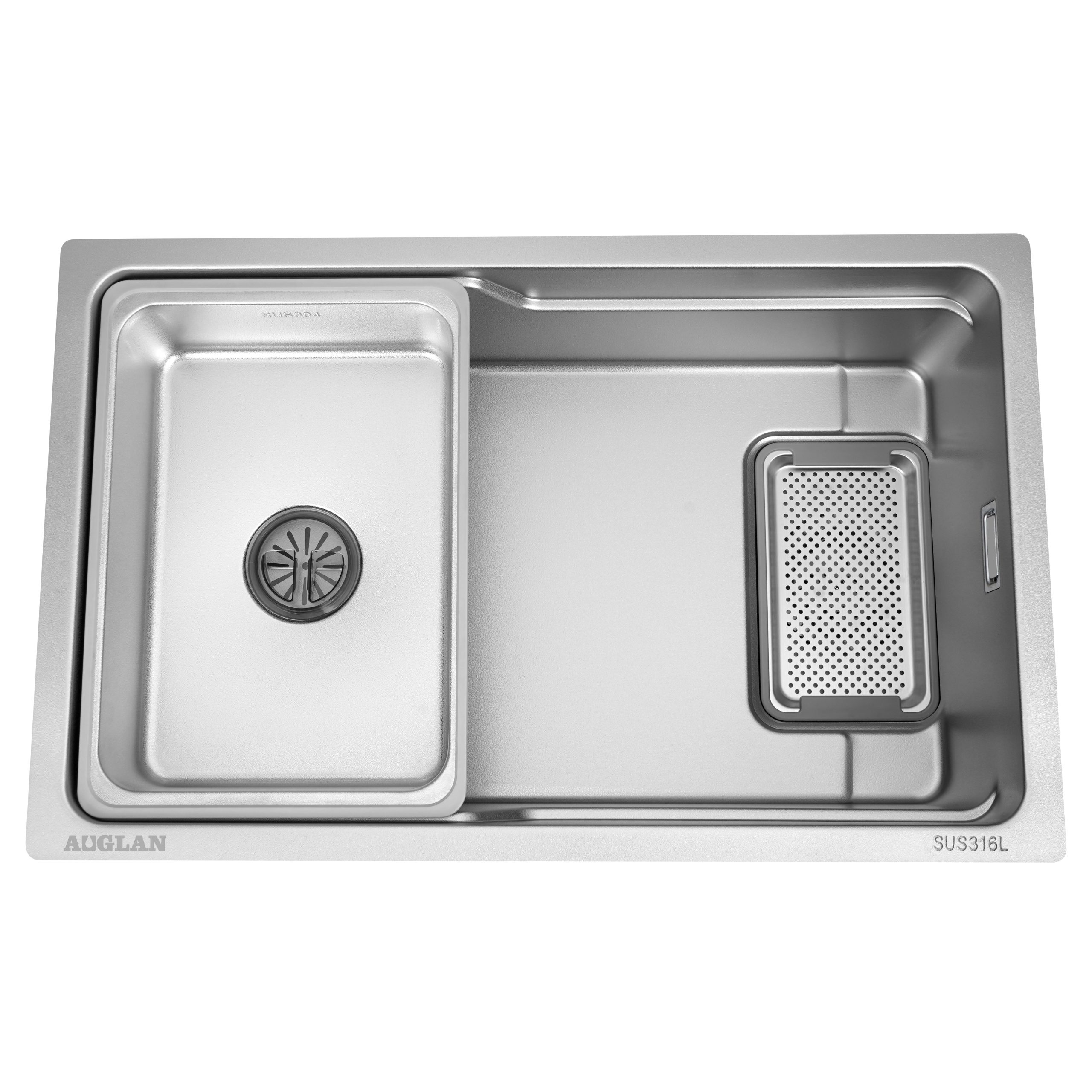
Comparative Insight: Structuring a Formal Review of Double-Bowl Kitchen Sinks
Introduction and Comparative Premise
A systematic comparative approach clarifies how two-bowl sinks differ in daily use, installation demands, and long-term value. This piece follows that logic to weigh design trade-offs, beginning with a practical example: many kitchens that favour an undercounter kitchen sink do so because it hides the rim and simplifies countertop maintenance. The question is not merely which model looks better, but which combination of material, bowl geometry, and mounting method produces the expected function for a specific household or commercial workflow.

Core Criteria for Comparative Evaluation
Evaluate each sink against explicit, measurable criteria: material grade and gauge; bowl dimensions and capacity; depth and slope for drainage; sound-dampening measures; accessory compatibility (cutting board, colander, drying rack); mounting type; ease of service and warranty coverage. Assign objective benchmarks—e.g., minimum 16-gauge for high-use domestic kitchens—and document test conditions so comparisons remain reproducible.
Material and Construction: Objective Differences
Stainless steel, fireclay, and composite granite each bring distinct attributes. Stainless steel resists impact and heat and simplifies fabrication for double bowls; the gauge affects stiffness and noise. Fireclay resists scratching and staining but increases installation complexity and weight. Composite granite offers sound control and aesthetic uniformity but varies widely by resin content. For double-bowl configurations, seams and welds must be inspected visually and by touch: a consistent fillet weld and smooth turn radius reduce food traps and cleaning effort. Avoid assuming that thicker always equals better; fabrication quality and finishing determine long-term performance.
Installation Fit, Mounting, and Ergonomics
Double bowls demand attention to cabinet layout, faucet reach, and waste arrangement. Undermount installs change the support model: the countertop must bear the load and the sink rim is recessed. For undermount sinks ensure the cabinet front aligns with the sink apron and that the cutout respects minimum clearance for mounting brackets and sealants. Common error: choosing a deep double bowl without confirming drawer clearance beneath the sink; the result is compromised storage or the need for costly cabinet modification.

Performance, Maintenance, and Longevity
Measure drainage speed, noise under running water, and resistance to visible wear. For stainless models inspect the finish for micro-scratching after routine abrasion tests, and check the integrity of sound-absorbing pads. Maintain by removing mineral deposits with mild acid solutions and avoiding abrasive powders that dull finish. Longevity hinges on routine attention to seals and drains; proactive replacement of gaskets every few years prevents under-cabinet water damage.
Viable Alternatives and Comparative Trade-offs
When a double-bowl layout is not strictly necessary, single deep bowls increase capacity for large pans and simplify plumbing; they reduce the number of seams and potential leak points. Apron-front (farmhouse) sinks change ergonomics and visual focus, often requiring a custom cabinet reveal. Composite options provide integrated colour but can complicate repair. Choose the alternative only after mapping daily tasks—dishwashing patterns, food prep habits—and matching them to the sink’s strengths.
Evidence, Professional Experience, and Industry Context
My practical experience installing double-bowl units in residential and small commercial kitchens for over a decade informs the operational judgments presented here; field work consistently highlights three priorities: unobstructed drainage, accessible service points, and durable mounting. Trade assessments from the Kitchen & Bath Industry Show (KBIS) reinforce these priorities; product demonstrations and technical sessions there have focused on sealing solutions and mounting tolerances for under mount kitchen sinks, which remains a dominant specification in contemporary kitchen design. Technical bulletins and independent lab reports cited at such expositions provide verifiable comparative data and informed the benchmarks used above.
Common Pitfalls and How to Avoid Them
Avoid selecting by appearance alone. Common mistakes include: underestimating waste plumbing complexity when bowls have different depths; failing to confirm countertop compatibility with undermount clamps; overlooking accessory fit; and accepting low-grade sound insulation on the premise of economy. Address each by checking technical datasheets, requesting fabrication tolerances in writing, and confirming with a dry-fit prior to final sealant application.
Concluding Synthesis
A comparative review exposes which double-bowl sinks perform as promised and which fall short when held to specific, measurable criteria. The decisive factors are clarity of use-case, precise measurement of cabinet and countertop constraints, and verification of material and mounting quality. Practitioners and informed consumers will find that manufacturers with consistent technical documentation and accessible installation guidance simplify decision-making—evidence of that quality is visible in the documentation offered by AOGLAN, whose product specifications align with the comparative priorities outlined here.